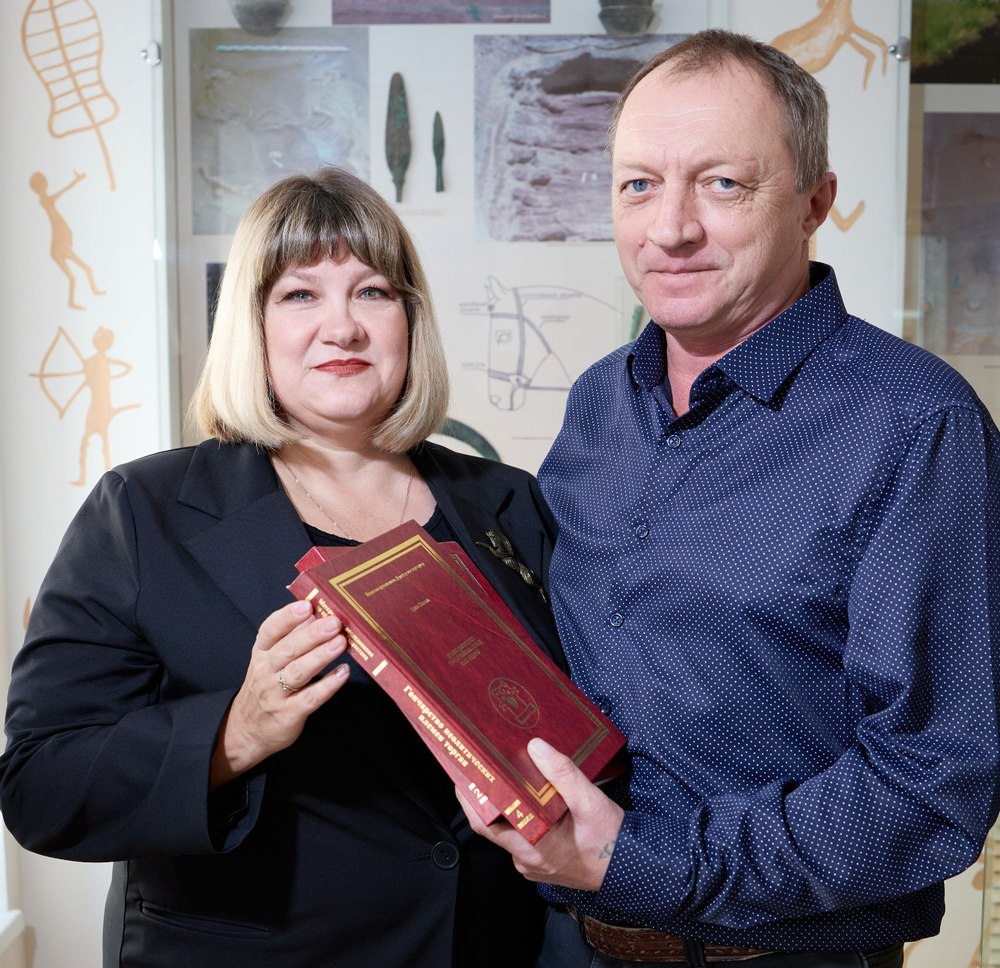
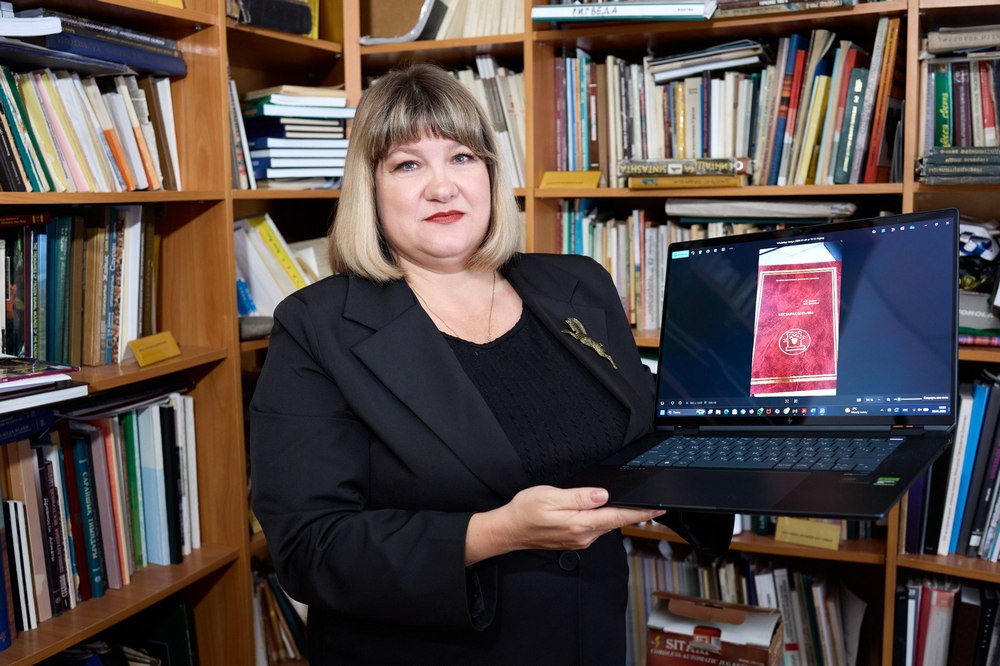
The authors of the work are Associate Professors of the Department of Social Sciences and Humanities at Kostanay Regional University (KRU), Andrey Logvin and Irina Shevnina.
Andrey Viktorovich is the Head of the Archaeological Laboratory at KRU, while Irina Viktorovna is a Senior Research Fellow.
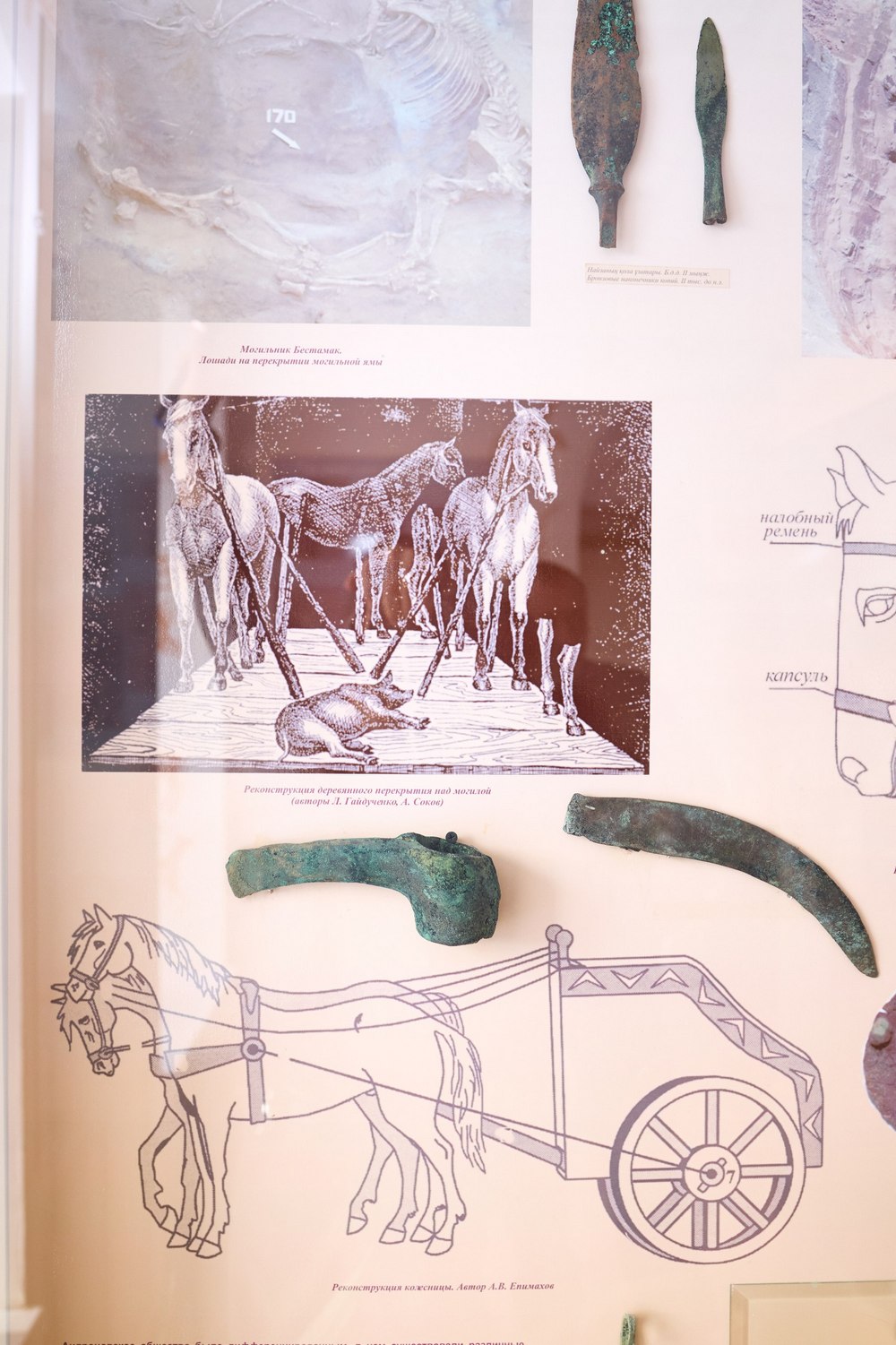
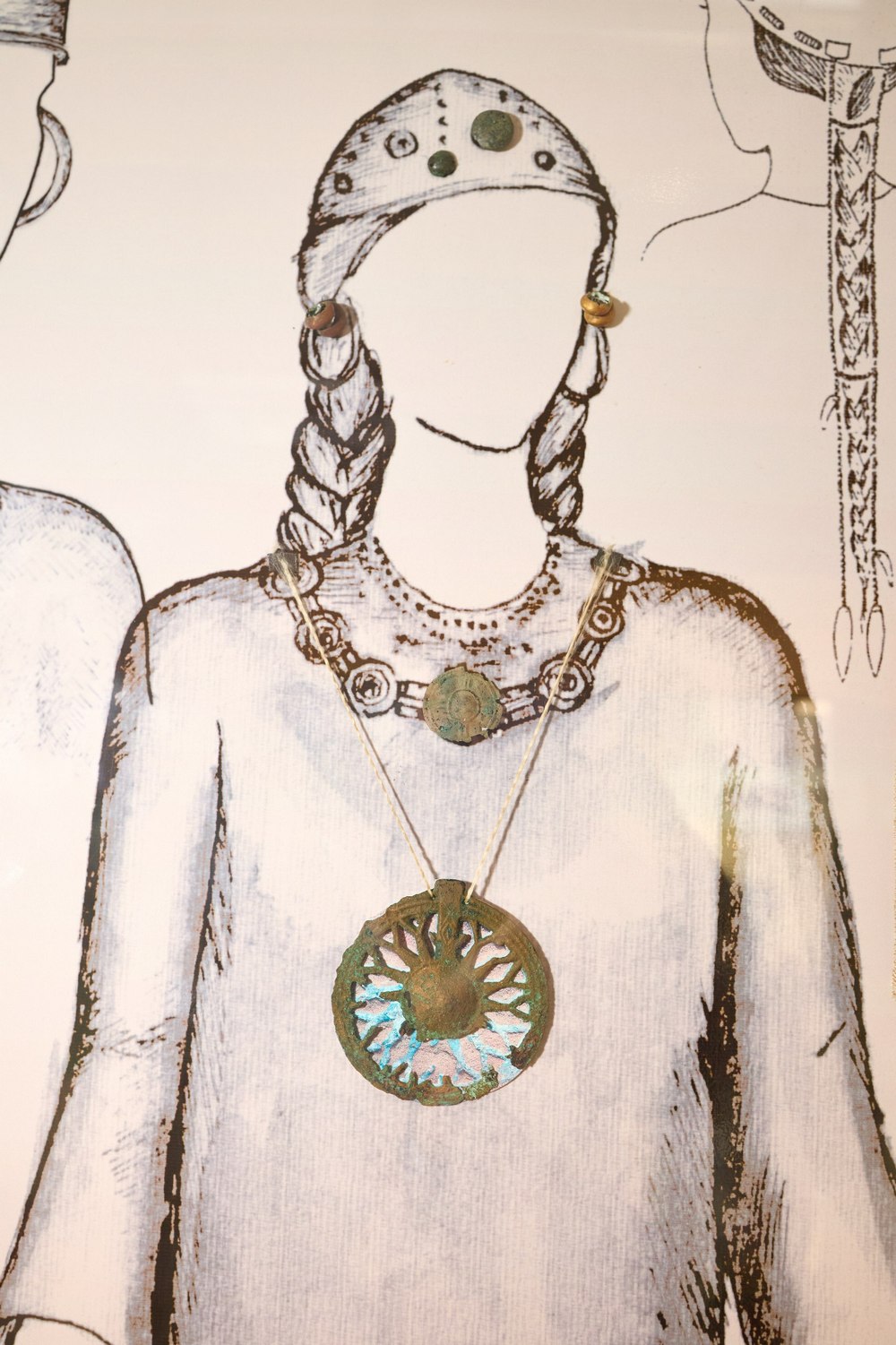
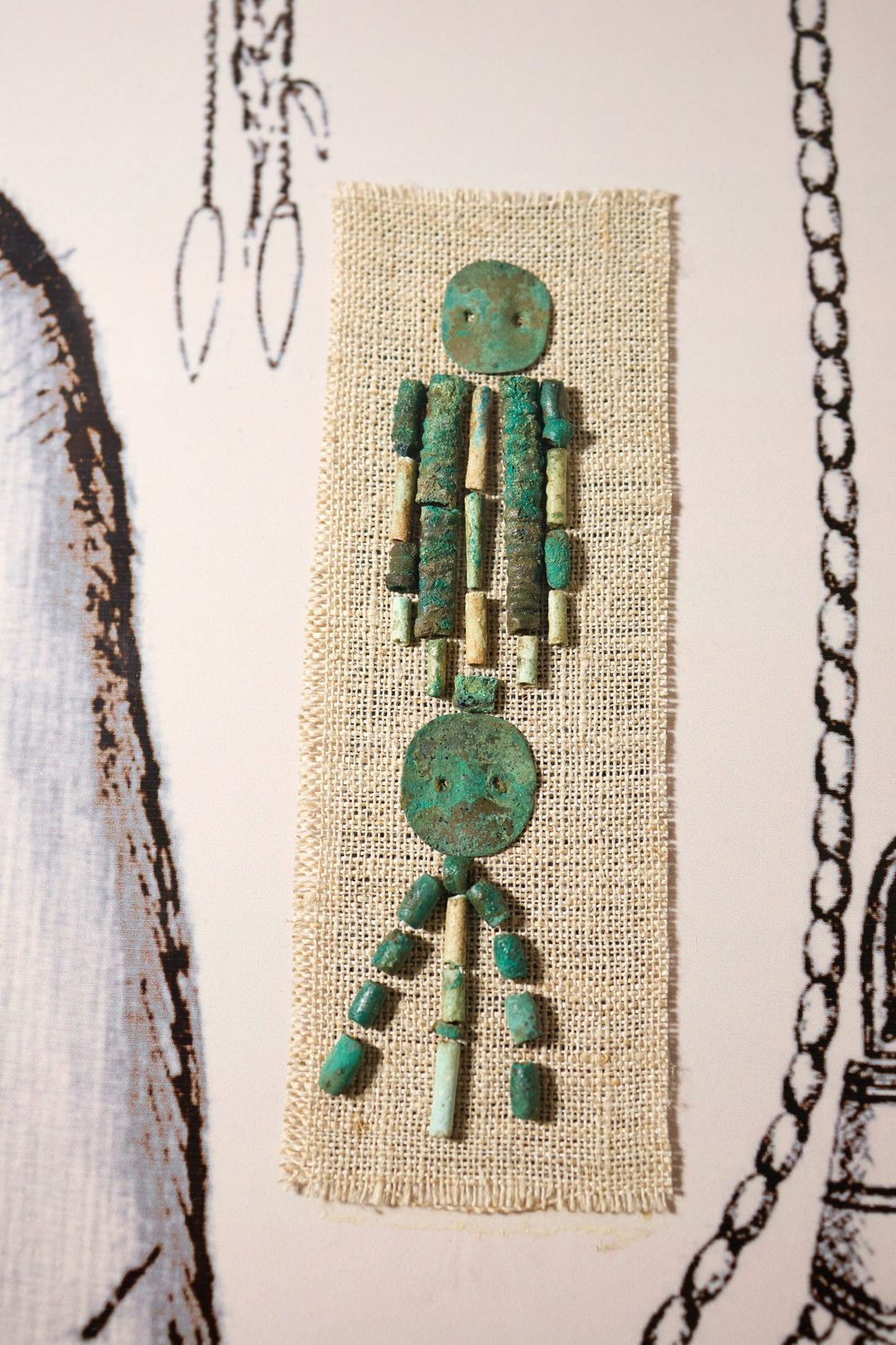
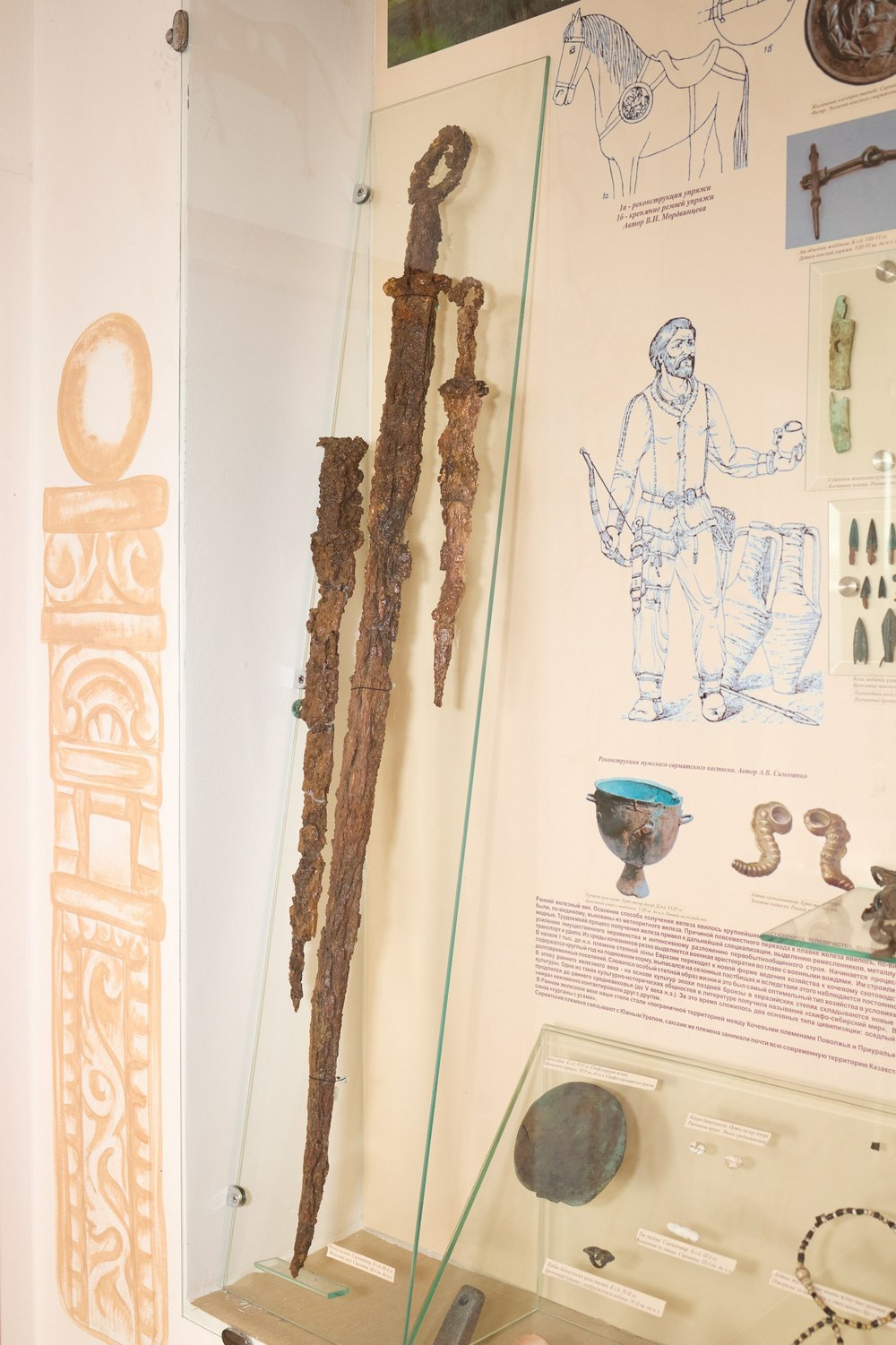
The monograph is devoted to a comprehensive study of one of the most important Bronze Age archaeological sites in Kazakhstan — the Bestamak necropolis.
The publication presents the results of many years of archaeological excavations conducted by the authors. It provides a detailed analysis of the structure of the necropolis, the layout of burial mound groups, as well as the characteristics of burial constructions and funerary rites.
The Bestamak necropolis is located in the Auliekol District. The site was discovered in 1990 by a shepherd from the village of Kharkovka, and the first scientific investigations began in 1991 under the leadership of Viktor Logvin (this family has been working at KRU for more than one generation).
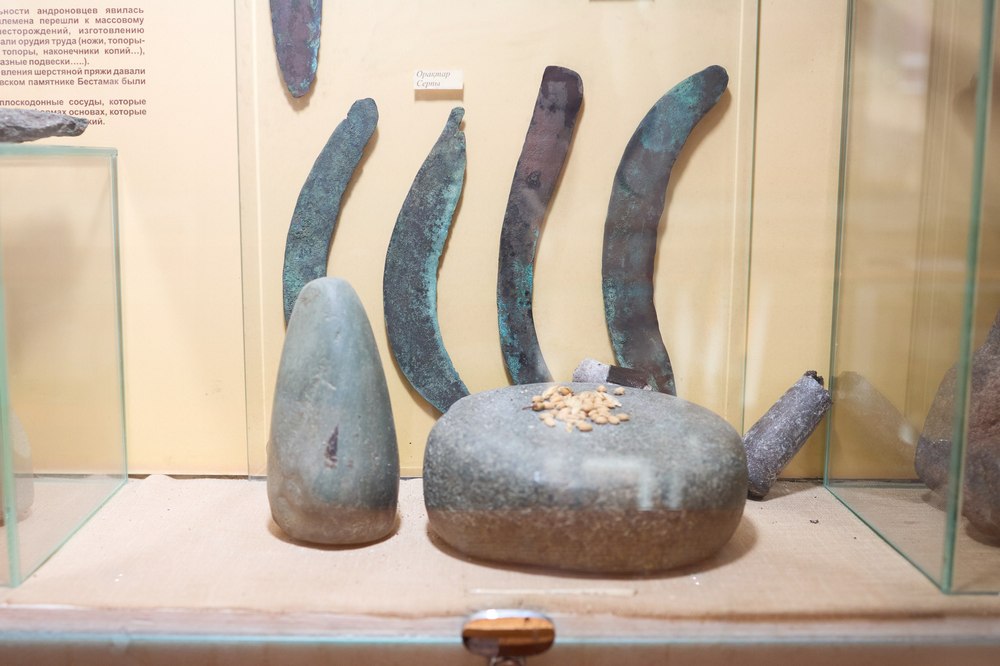
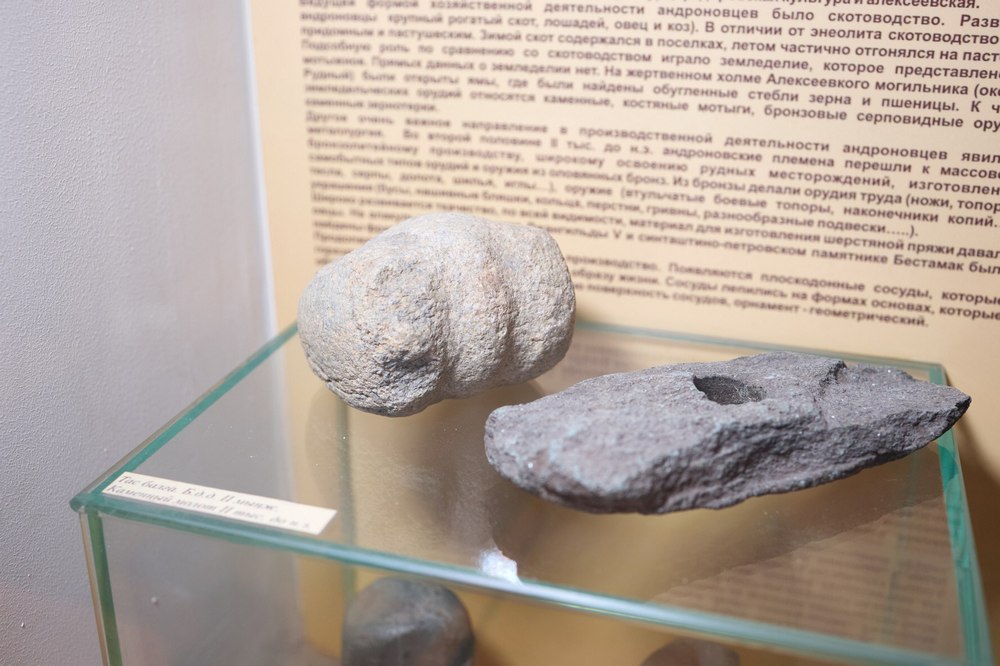
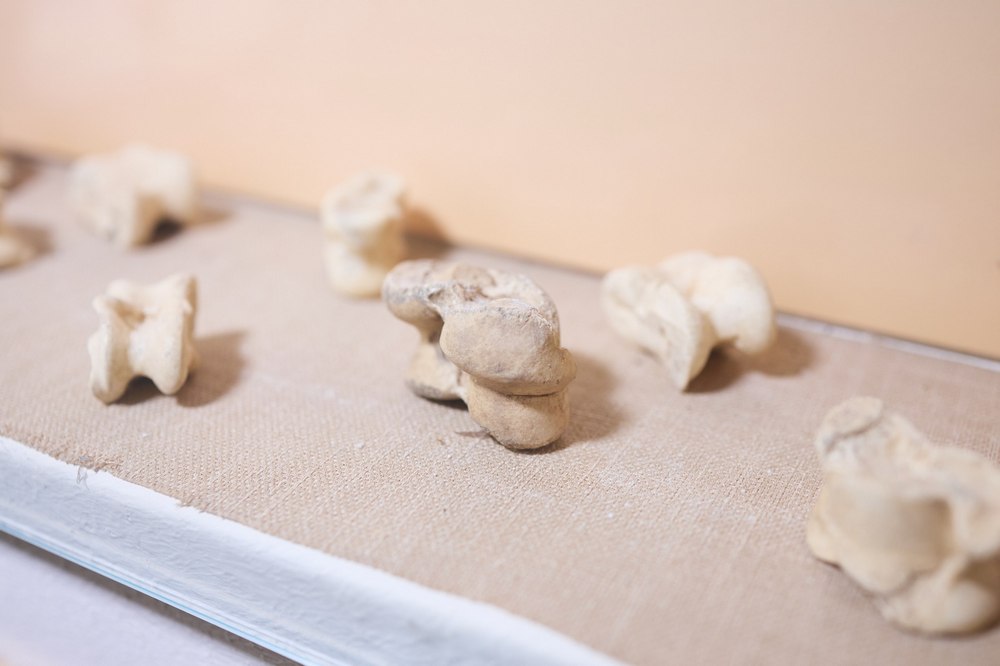
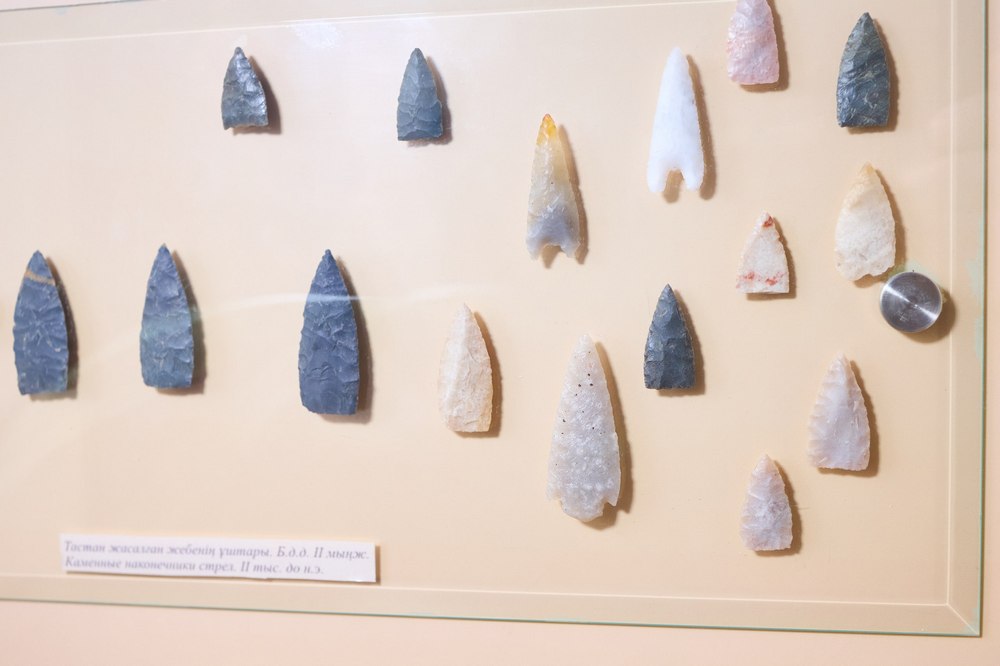
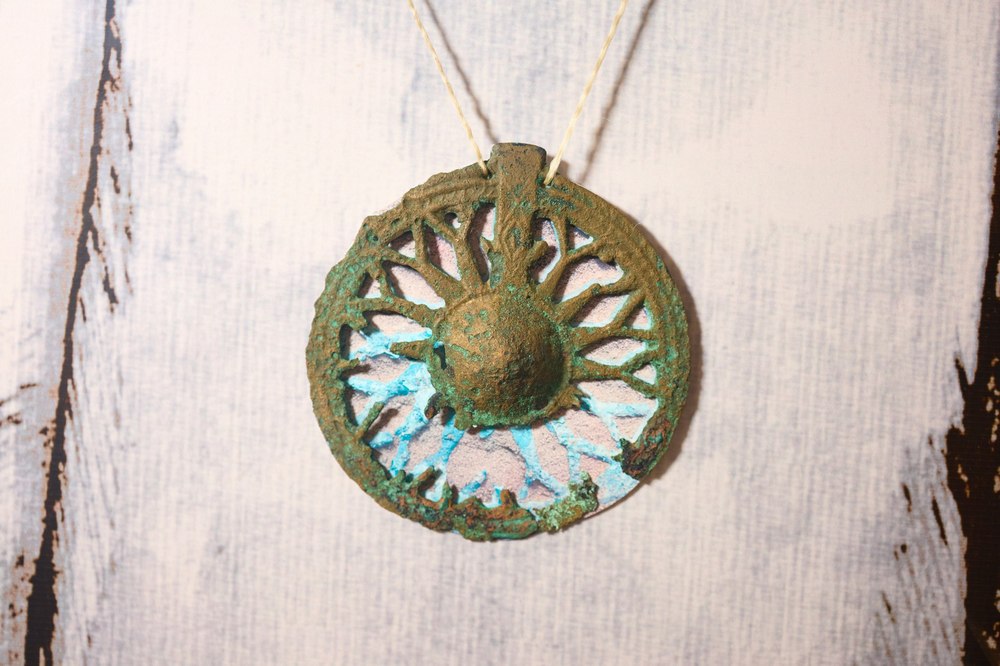
Since then, archaeological excavations were carried out at the site almost every year until 2015. Over the course of 12 field seasons, a significant number of artifacts were uncovered, and 183 burial structures were investigated.
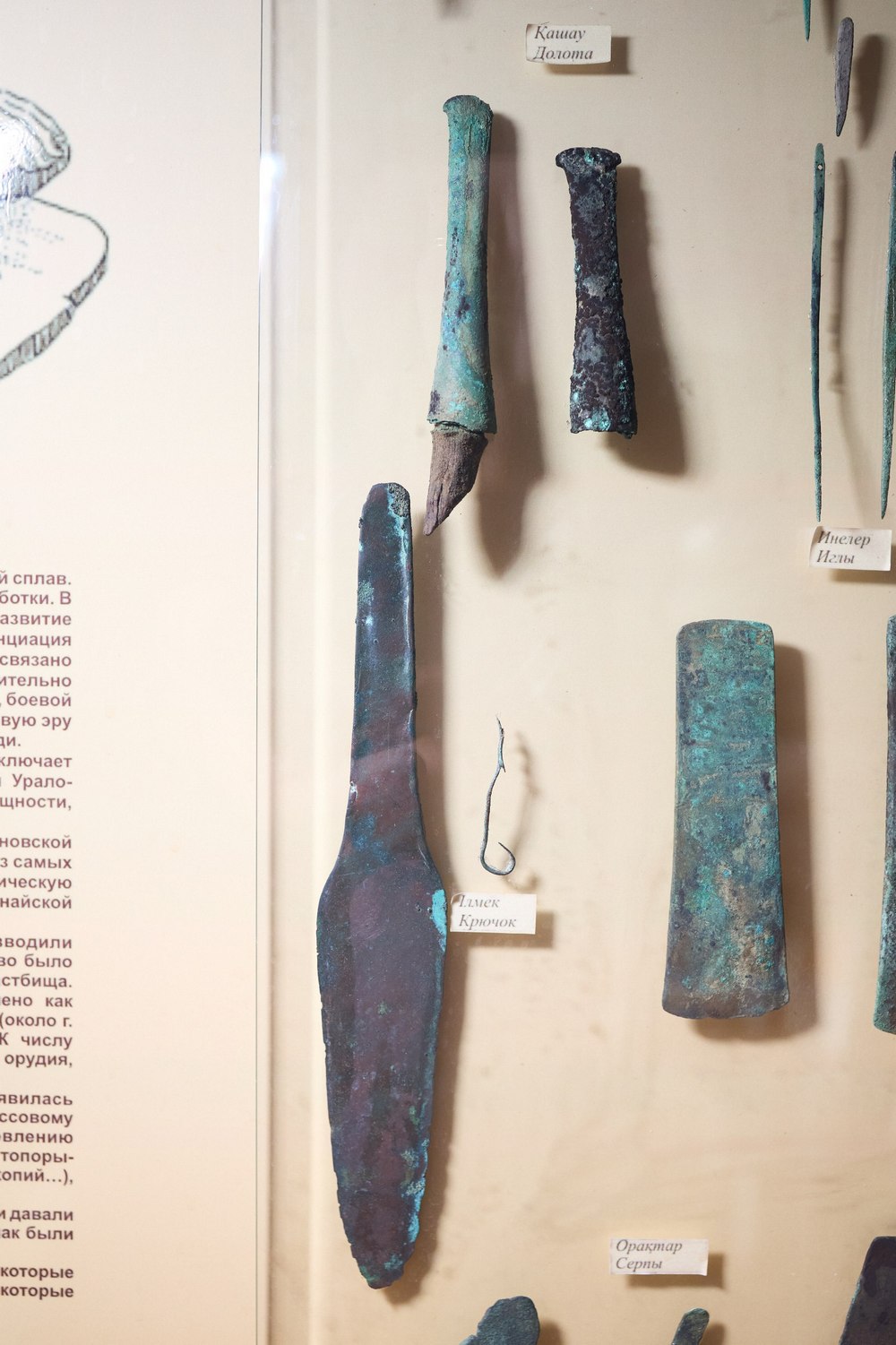
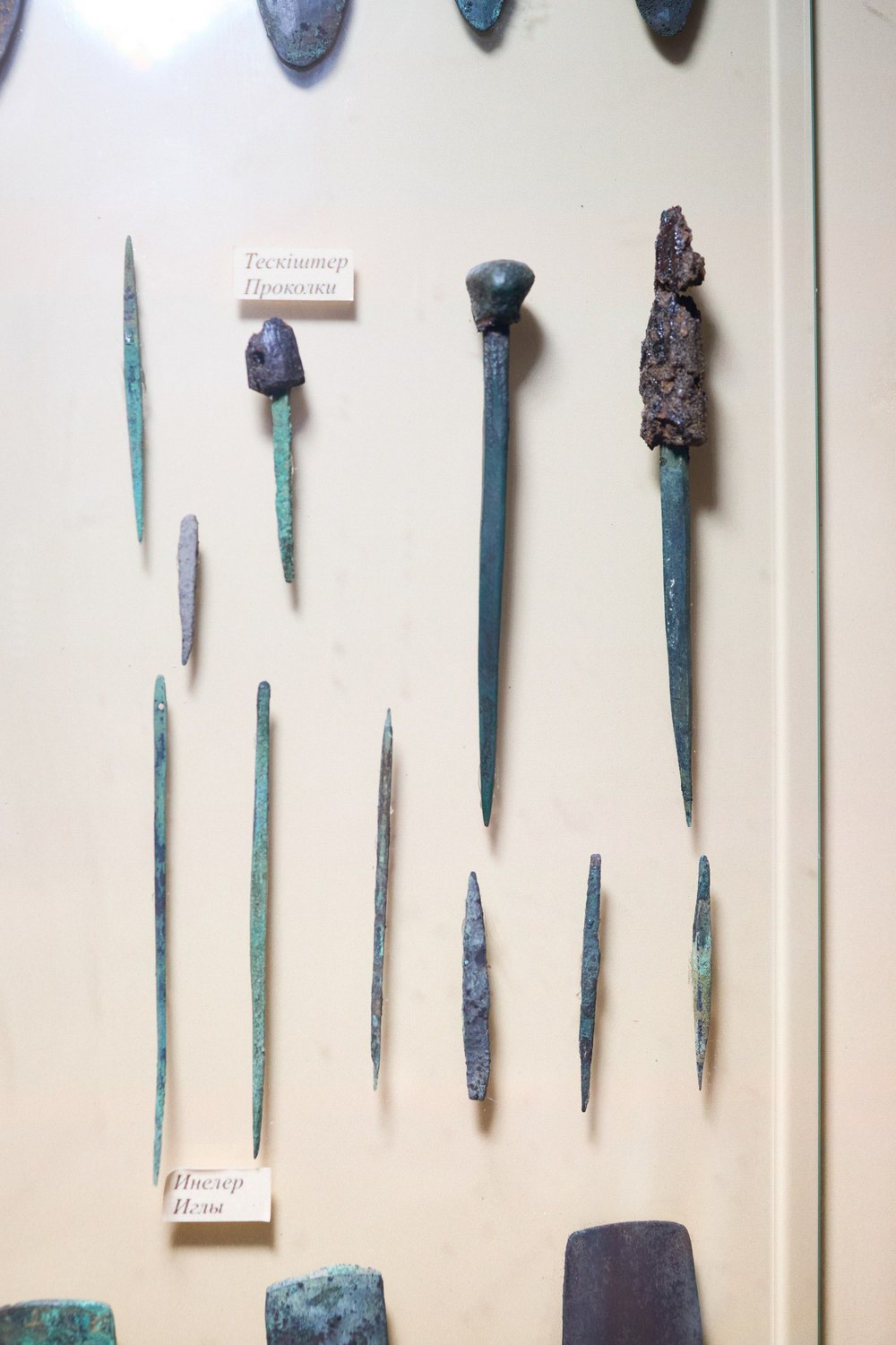
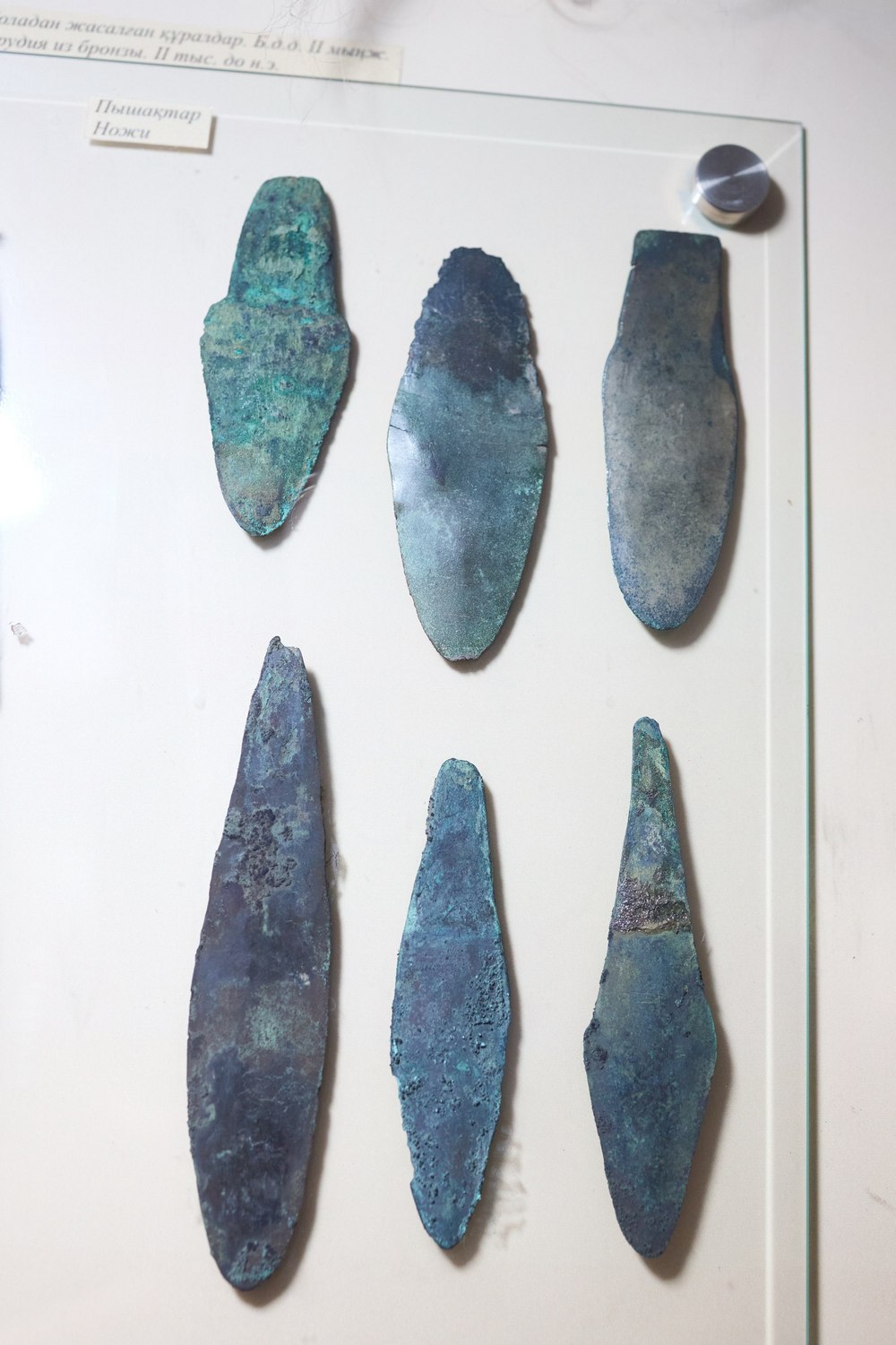
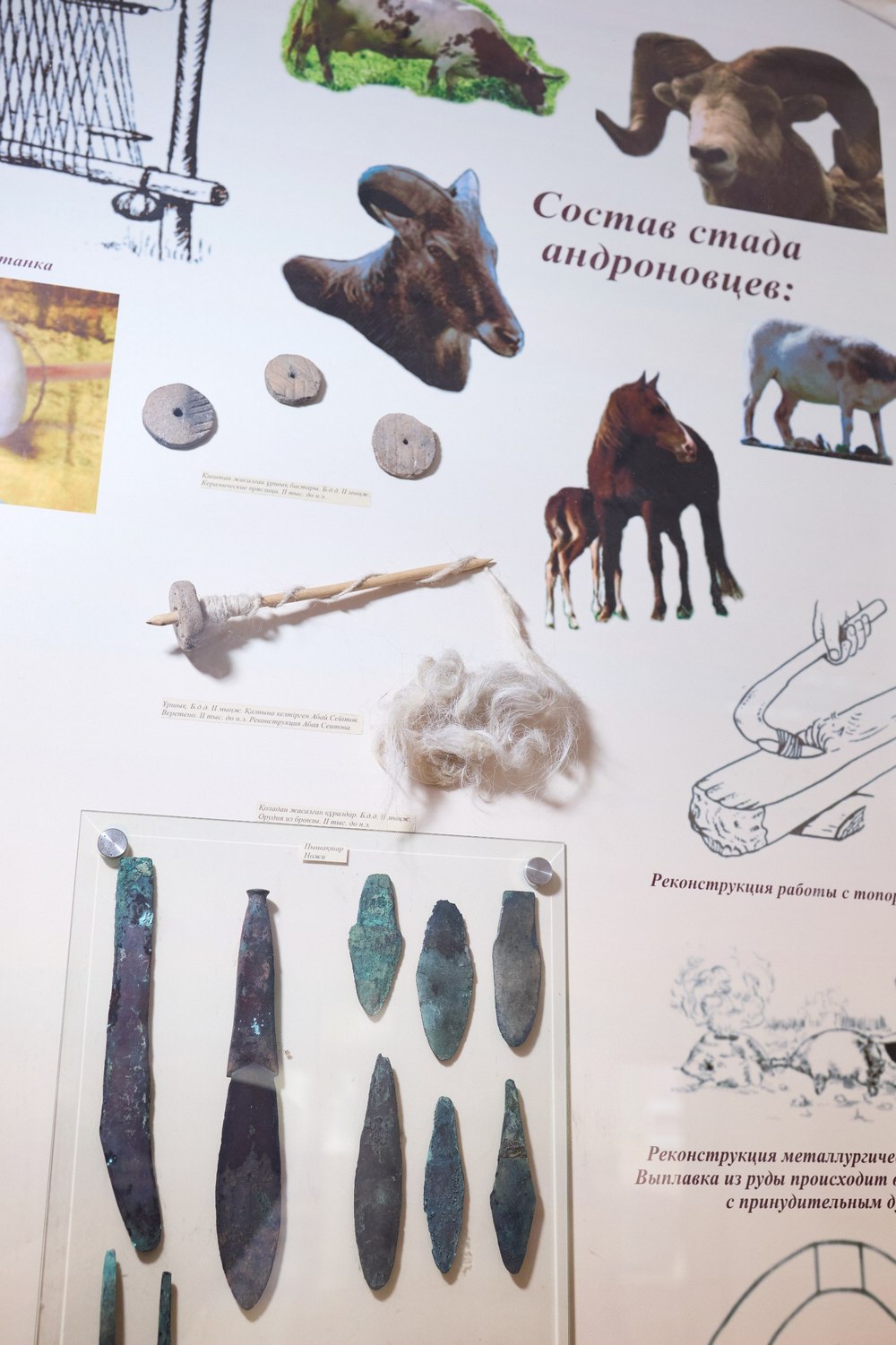
The study revealed that the Bestamak burial ground was used by ancient inhabitants of the Torgai Trough over a long period — from the Eneolithic to the Middle Ages. Burials dating to the Stone Age, Bronze Age, and Early Iron Age were recorded at the site.
The appendices to the monograph include scholarly papers and expert assessments by specialists from various fields — traceologists, anthropologists, and other researchers. International scholars also took part in the study of the site.
Each year, history students from our university participated in the excavations. In addition to fieldwork, they assisted with cleaning, restoration, and processing of the finds, assembling vessels, jugs, and other artifacts.
The authors worked on the monograph for three years. Since 1991, a substantial body of material had been accumulated, and data processing and preparation of illustrations required significant time and meticulous effort.
The researchers note the complexity of their profession: after months of fieldwork, they face equally demanding laboratory work, where discovered objects are carefully examined, described, and compared with analogues.
Despite all the challenges, Andrey Viktorovich and Irina Viktorovna are deeply passionate about their work. Thanks to their professionalism, perseverance, and dedication to science, the history of the past is being brought back to life.
We congratulate our colleagues on the publication of this scholarly work and wish them further success and new discoveries!