Today, approximately 10,000 students study at Baitursynuly University. By comparison, just four years ago, the student population stood at around 6,500. The university currently offers 165 educational programs.
The university employs 564 faculty members, more than 250 of whom hold academic degrees and titles.
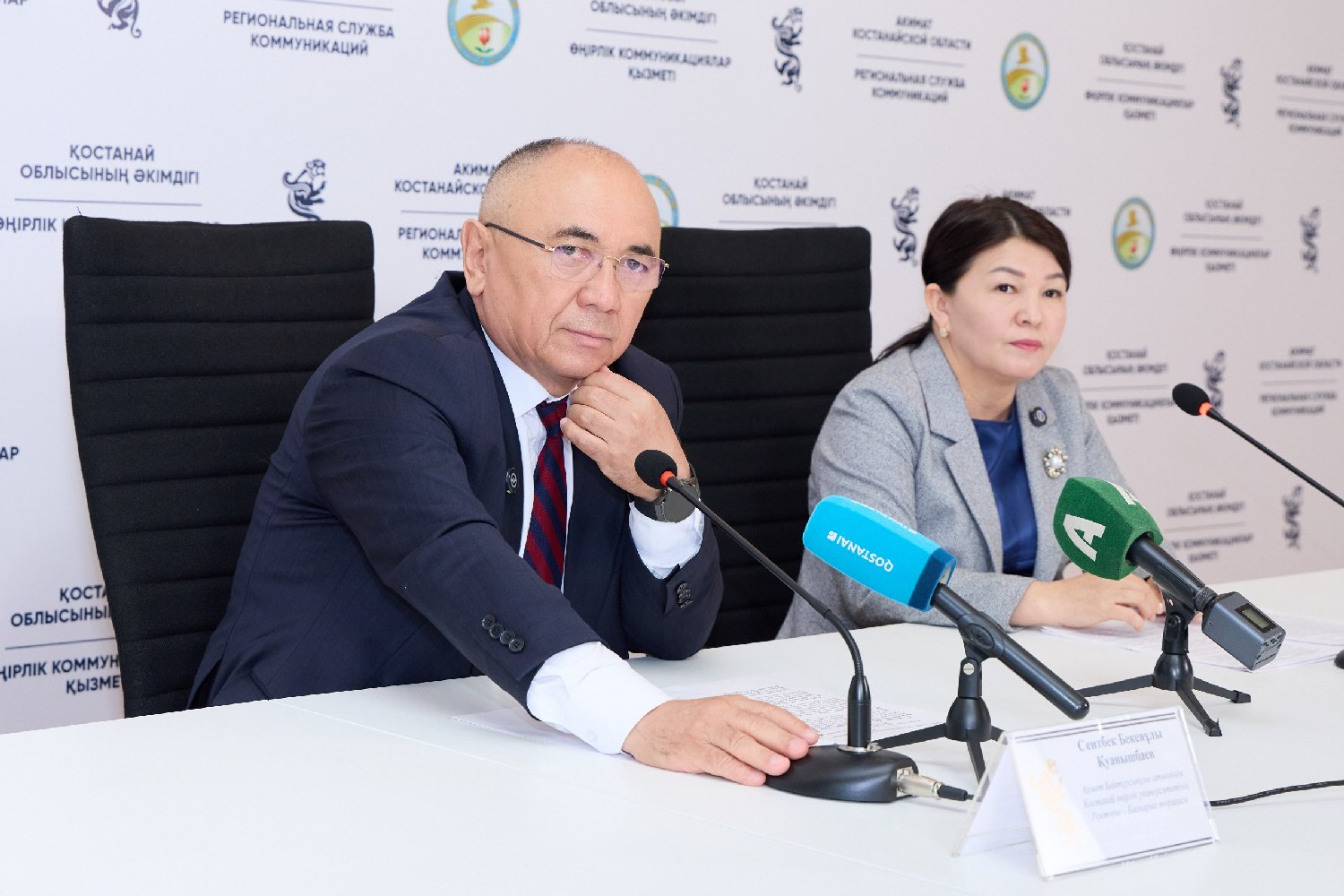
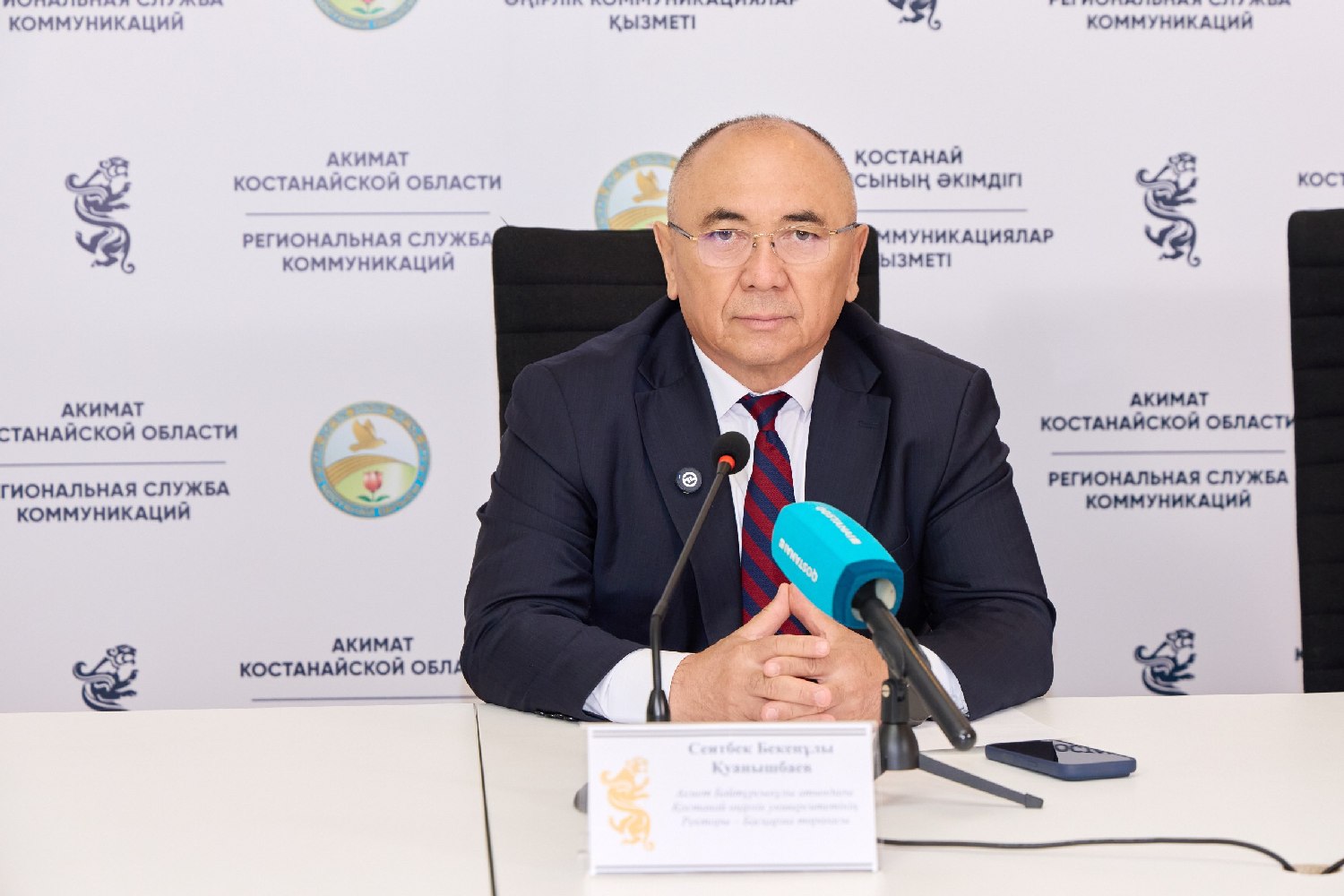
According to Rector Seitbek Kuanyshbayev, the growth in student enrollment is more than just a statistic. It is one of the indicators of how the university is perceived by prospective students and the labor market.
The 2026 admissions campaign demonstrated sustained interest in the university. This year, 3,515 students were admitted to bachelor’s, specialist, master’s, and doctoral programs. Among them are 82 recipients of the Altyn Belgi distinction and 60 students admitted through the Serpin program.
Another notable trend is the growing interest in obtaining an additional or new qualification. A total of 844 college graduates enrolled in accelerated programs based on technical and vocational education, while another 225 students chose programs based on prior higher education.
At the same time, prospective students’ preferences are also changing. Among the most popular fields are physical education and sport, law, English, psychology, primary education, and journalism.
At the same time, however, demand for new technologies is becoming increasingly evident.
Seitbek Kuanyshbayev, Rector of Akhmet Baitursynuly Kostanay Regional University:
“It is very important to look not only at the number of admitted students, but also at the professions young people are choosing. This year, 46 students were admitted to the new educational program ‘Artificial Intelligence and Data Analytics.’ Another 18 students chose the corresponding master’s program. For us, this indicates that interest in artificial intelligence is already turning into a conscious choice of professional career path.”
The university is focusing on the AI+X model, under which artificial intelligence is expected to become an integral part of specialist training across a wide range of fields.
According to university data, more than 100 graduation theses are already related to artificial intelligence and digital technologies. More than half of them are being completed at the Faculty of Mechanical Engineering, Energy and Information Technology.
Another important area is the development of cooperation with South Korean universities and technology partners.
In September, during President of Kazakhstan Kassym-Jomart Tokayev’s visit to the Republic of Korea, Baitursynuly University signed an agreement with Dong-Eui University.
The two universities have established strong partnership relations. The new agreement is intended to take cooperation to a new level, with a particular focus on the application of AI in mechanical engineering, an area of both current and long-term relevance. Plans include joint projects, internships, exchange of expertise, and the establishment of an artificial intelligence laboratory for the automotive industry at KRU.
Akhmet Baitursynuly Kostanay Regional University has been cooperating with South Korea’s Dong-Eui University since 2023 in the area of personnel training for Kazakhstan’s mechanical engineering sector. As part of academic mobility programs, KRU students study in South Korea. Graduates are successfully employed at the KIA plant in Kostanay. Students also gain practical experience through the dual education system.
To help overcome the language barrier, students at Baitursynuly University study Korean. The King Sejong Institute operates at KRU, and this year it received official status as a Sejong Korean Language Assessment (SKA) testing center. Students can now take an international Korean language examination at KRU.
The Kostanay-based university has also established active international cooperation with institutions in various countries. Dozens of agreements contribute to the development of the region by providing students and faculty members with opportunities to gain international experience.
Currently, five KRU students are studying in South Korea, three in the Czech Republic, three in Lithuania, two in the United States, and one each in China and France. Around 20 students are participating in domestic academic mobility programs and studying at universities in other cities across Kazakhstan.
Seitbek Kuanyshbayev, Rector of Akhmet Baitursynuly Kostanay Regional University:
“We want to build a chain: university → international technology partner → regional enterprises → student → modern production. It is precisely this model that should form the basis for training a new generation of engineers.”
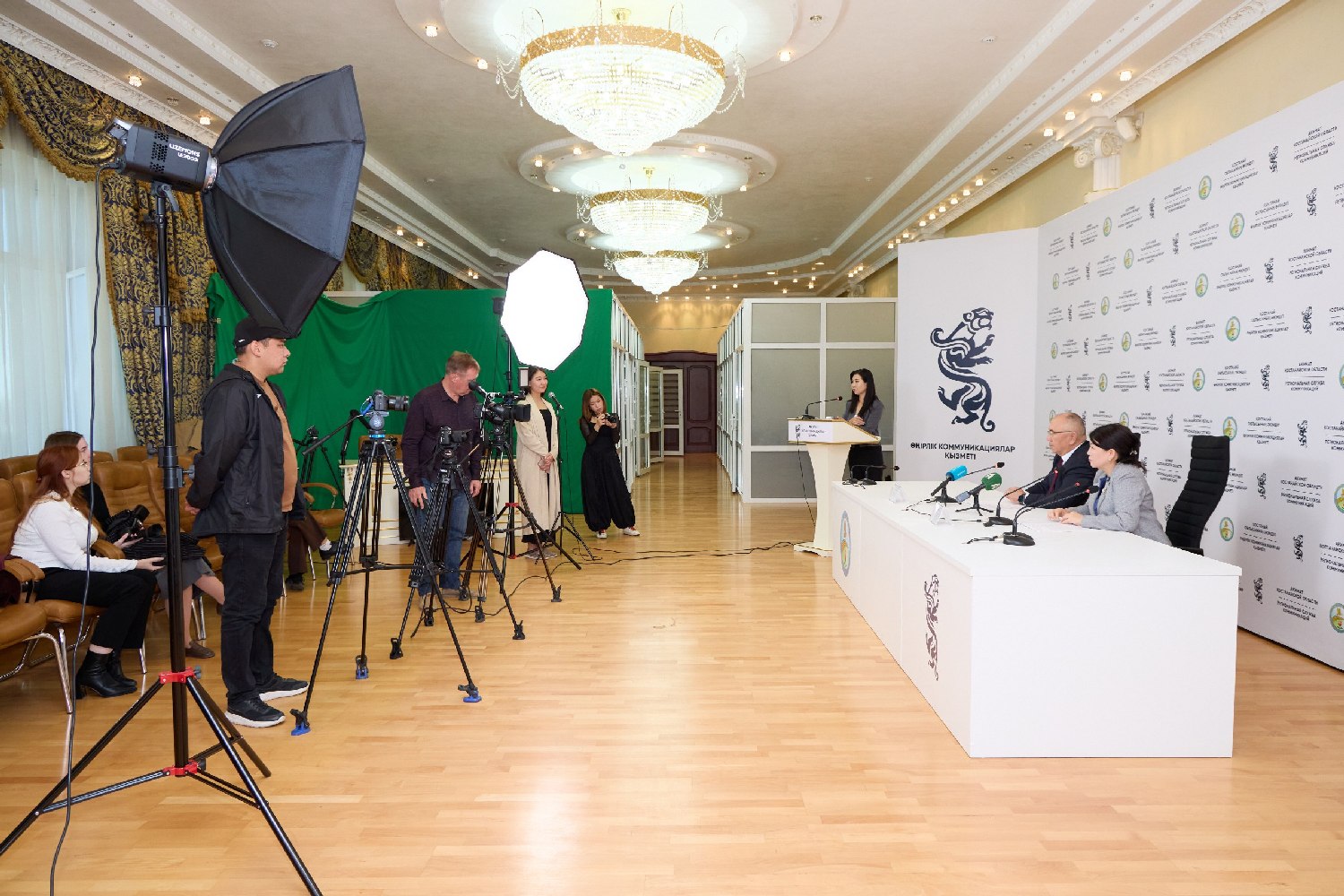
At the same time, journalists asked whether the rapid development of artificial intelligence could lead to the closure of certain educational programs.
Seitbek Kuanyshbayev, Rector of Akhmet Baitursynuly Kostanay Regional University:
“I believe educational programs should not be closed. On the contrary, we will introduce elements of artificial intelligence into every specialty so that professionals can master and use new tools.”
In the 2026 ranking of the National Chamber of Entrepreneurs Atameken, 44 university educational programs were assessed. Thirty entered the top 10, 12 entered the top 5, and seven entered the top 3. The programs Preschool Education and Upbringing and Mechanical Engineering took first place, while Agricultural Machinery and Technology ranked second.
However, journalists were interested not only in the positions of individual educational programs but also in the university’s overall development.
Seitbek Kuanyshbayev, Rector of Akhmet Baitursynuly Kostanay Regional University:
“If we look at the past four years, the university’s student population has grown from 6,500 to 10,000. For us, this is one of the indicators of trust. The figures show that interest in the university is growing, and with it comes greater responsibility for the quality of education.”
At the same time, the university plans to raise admission requirements.
Seitbek Kuanyshbayev, Rector of Akhmet Baitursynuly Kostanay Regional University:
“Starting from the next academic year, we plan to raise the minimum admission scores. This is not about numbers. For us, the quality of future professionals is more important today. We need to create conditions that attract motivated applicants who are ready to study seriously and develop professionally.”
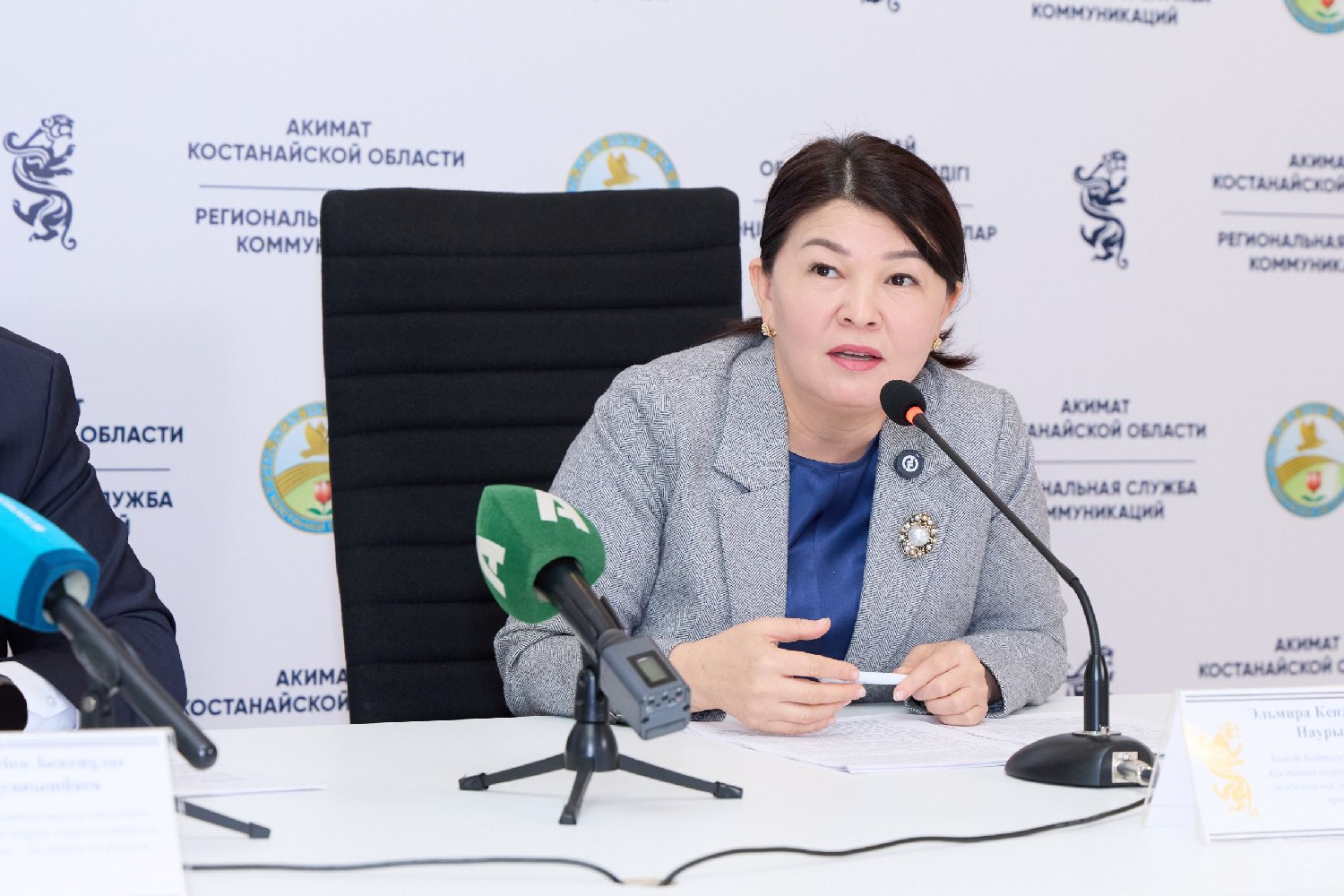
Vice-Rector for Academic Affairs Elmira Nauryzbayeva spoke about another new initiative.
On October 5, the university will launch the AI-mektep program for students in their final years of secondary school. Its goal is to help school students prepare systematically for the Unified National Testing (UNT) using modern digital tools.
The program will be offered in two formats — online and offline. Online preparation will use AI-based tools, while face-to-face classes will be conducted by Baitursynuly University faculty members.
Offline participants will also have access to the online platform, allowing them to combine instructor-led learning with independent preparation.
Special conditions are available to Grade 11 students from schools in Kostanay Region named after Akhmet Baitursynuly. For these students, access to the online platform will be provided free of charge.
Elmira Nauryzbayeva, Vice-Rector for Academic Affairs of Akhmet Baitursynuly Kostanay Regional University:
“‘AI-mektep’ provides an opportunity to combine the expertise of university faculty with modern artificial intelligence tools. We want school students to be able to prepare for the UNT not only through traditional methods but also to receive personalized support through digital technologies.”
Today, the university is focusing not only on updating educational programs but also on strengthening its connection with the regional economy.
Kostanay Region is home to major sectors including the agro-industrial complex, mechanical engineering and automotive manufacturing, energy, education, veterinary medicine, environmental protection, and digitalization. These areas are becoming key priorities in the university’s workforce development strategy.
In this context, international cooperation is viewed not as a formal agreement but as a tool for training specific specialists. Partnerships with South Korean universities, the development of AI applications in mechanical engineering, cooperation with enterprises, and the creation of joint laboratories are intended to establish a direct link between education and industry.
Seitbek Kuanyshbayev, Rector of Akhmet Baitursynuly Kostanay Regional University:
“Our task is not simply to train a graduate in a particular specialty. Together with employers, we must prepare professionals to meet the technological challenges of tomorrow.”
Another indicator of the university’s transformation is the international reach of its educational content. In September, a course developed by a Baitursynuly University faculty member was published on the international Coursera platform for the first time.
In 2026, a number of educational programs also underwent international specialized accreditation by IAAR, valid through 2031.
At the same time, as the Rector notes, the quality of education cannot be measured solely by rankings and student numbers.
Behind the figures are faculty members, researchers, and staff who must continuously update their competencies in line with technological developments and changes in the labor market. In parallel, the university plans to expand its physical infrastructure and create conditions for further growth. According to the Rector, plans include the construction of a new academic building and a student residence hall.
Seitbek Kuanyshbayev, Rector of Akhmet Baitursynuly Kostanay Regional University:
“If previously we spoke primarily about transferring knowledge, today the university’s mission is much broader — to teach people how to create new things, work with technologies, make decisions, and remain effective in an environment of constant change.”
Today, Baitursynuly University is gradually moving from a traditional model of specialist training toward a more flexible system in which education is closely connected with technology, research, international partners, and the real needs of the economy.