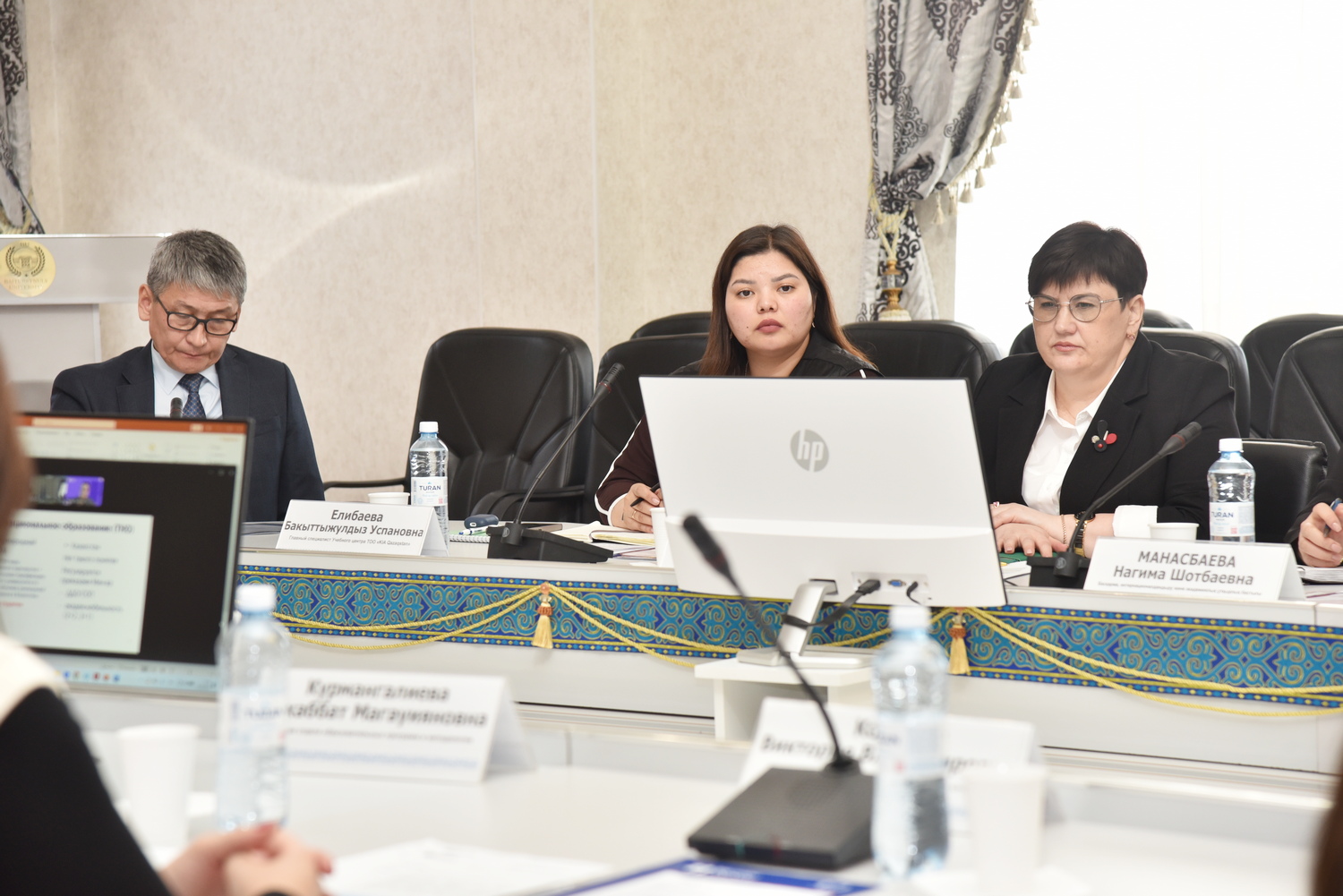
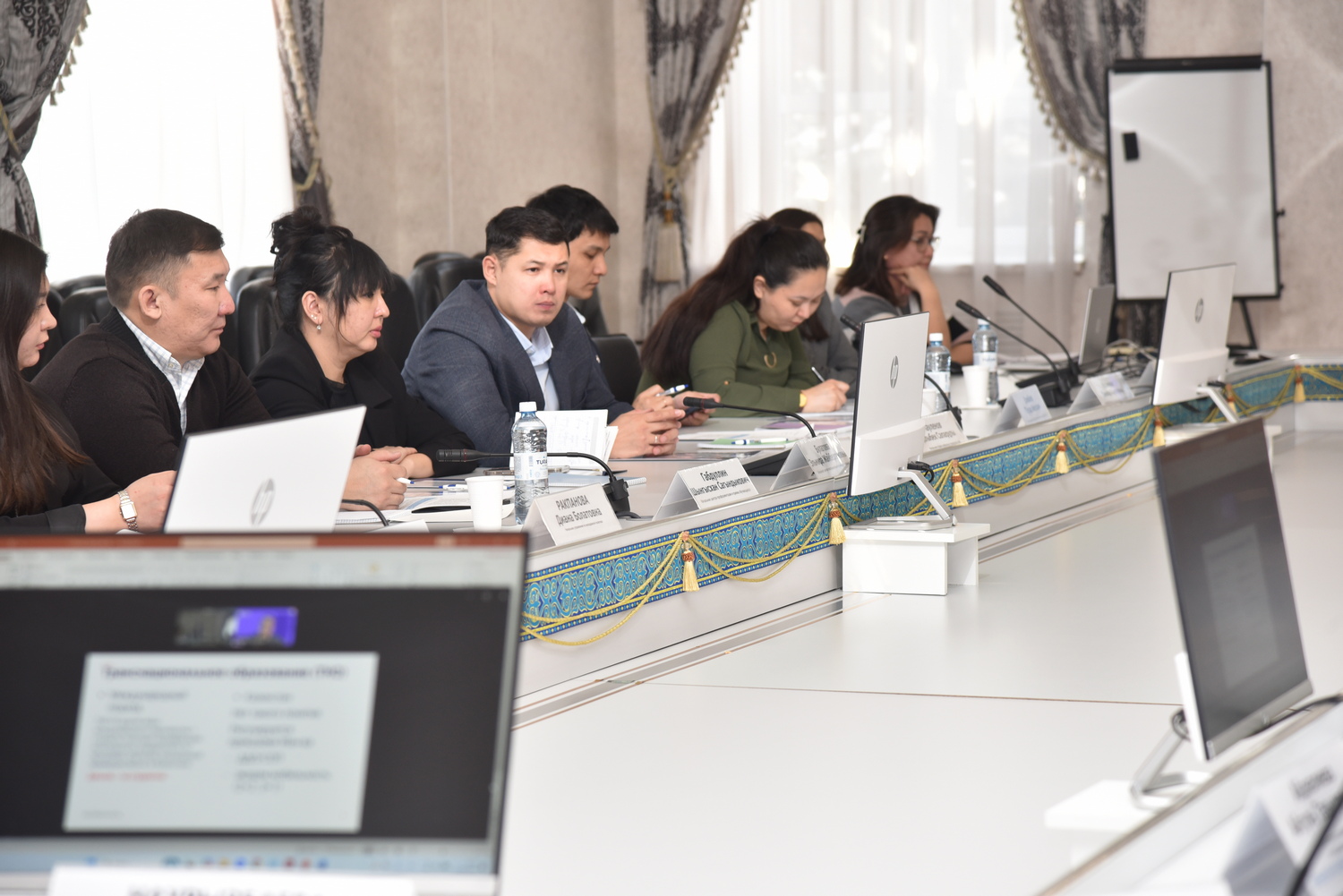
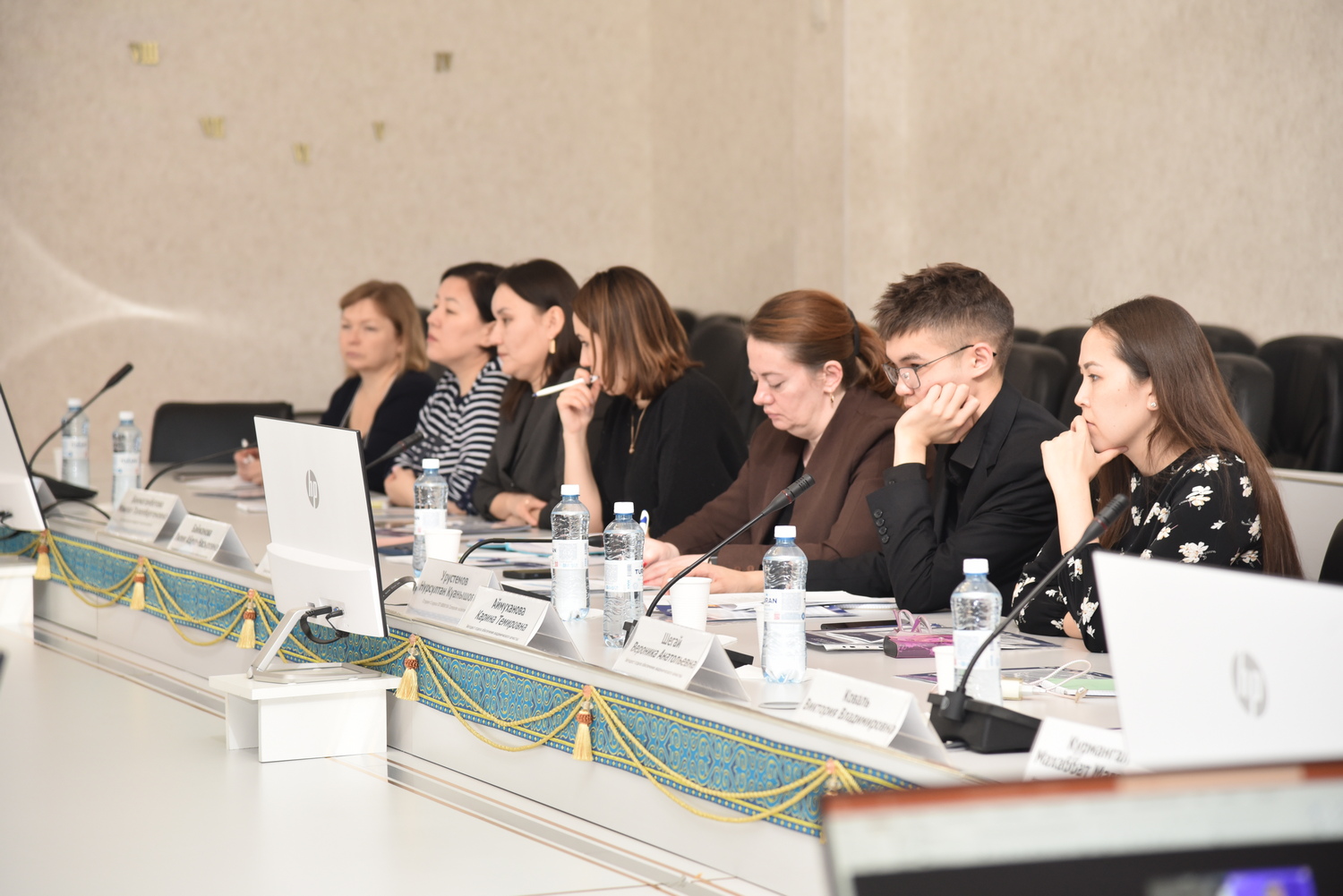
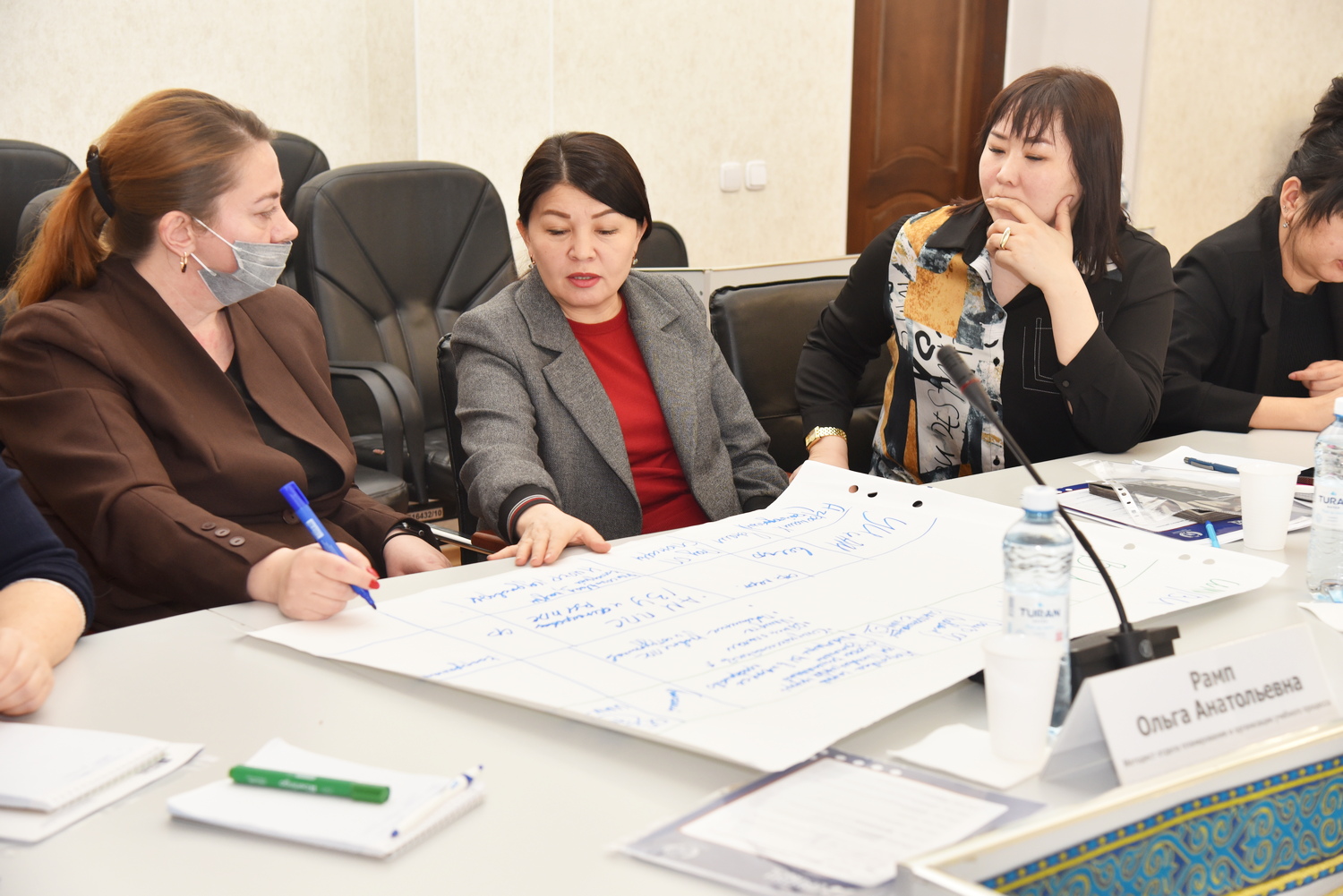
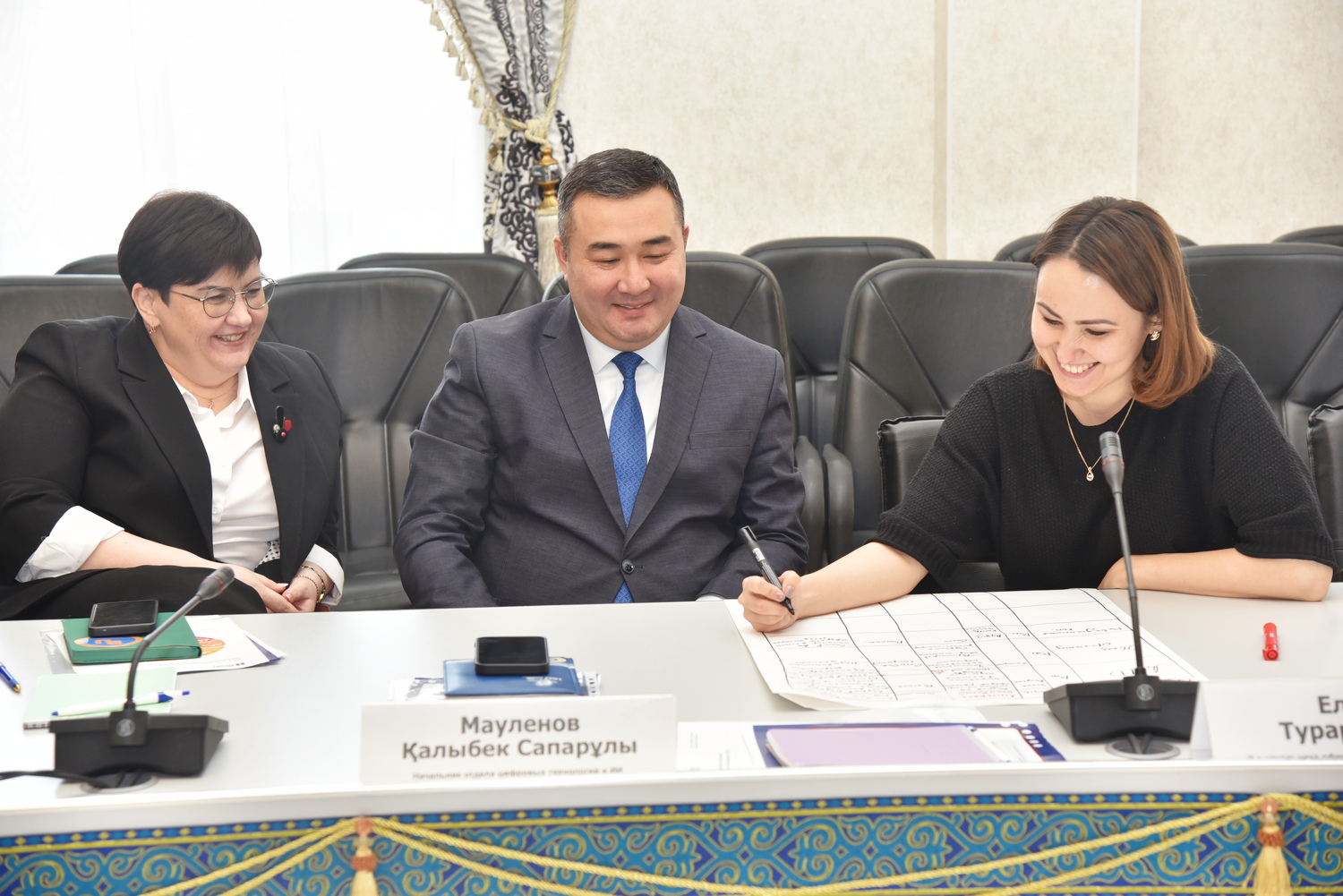
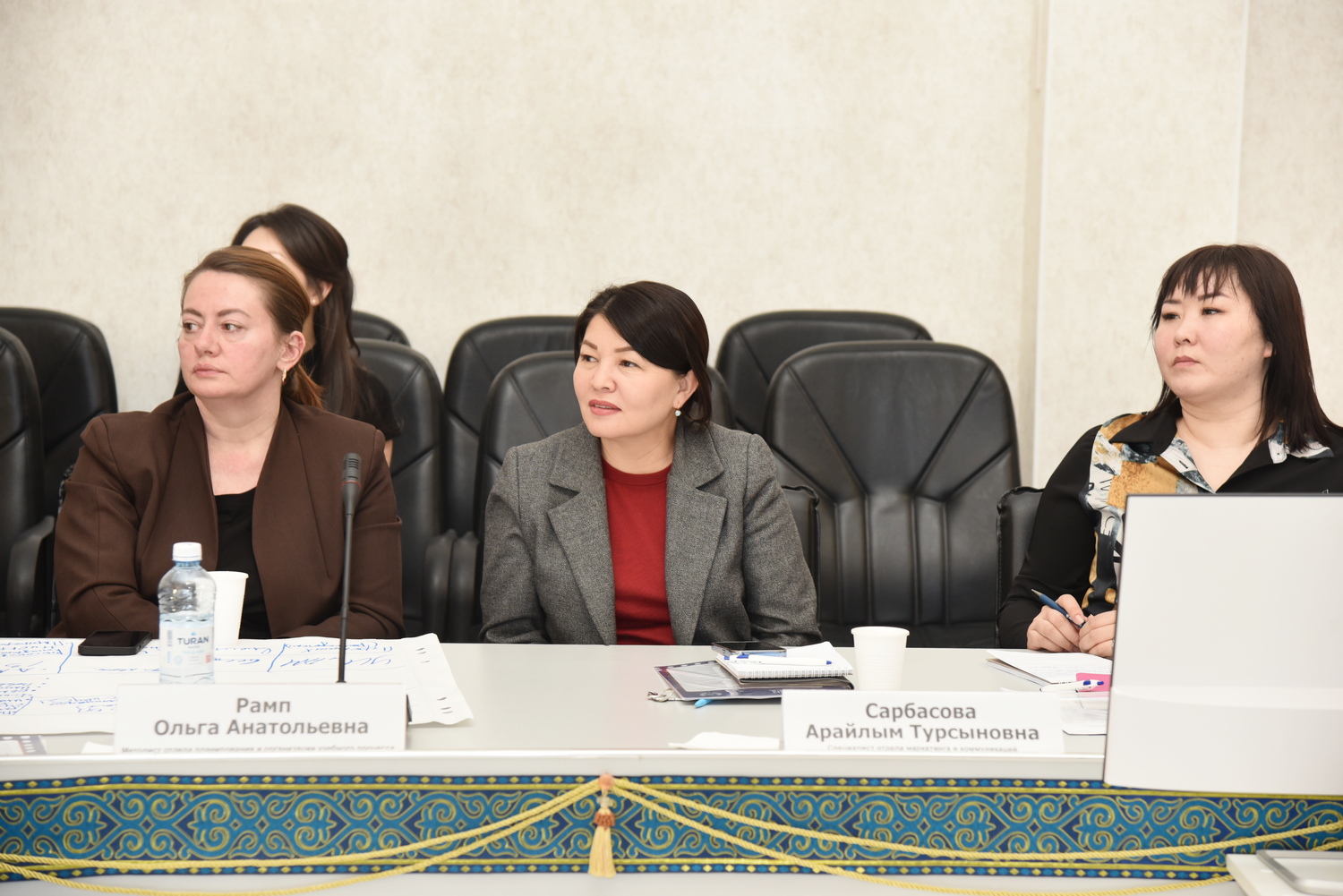
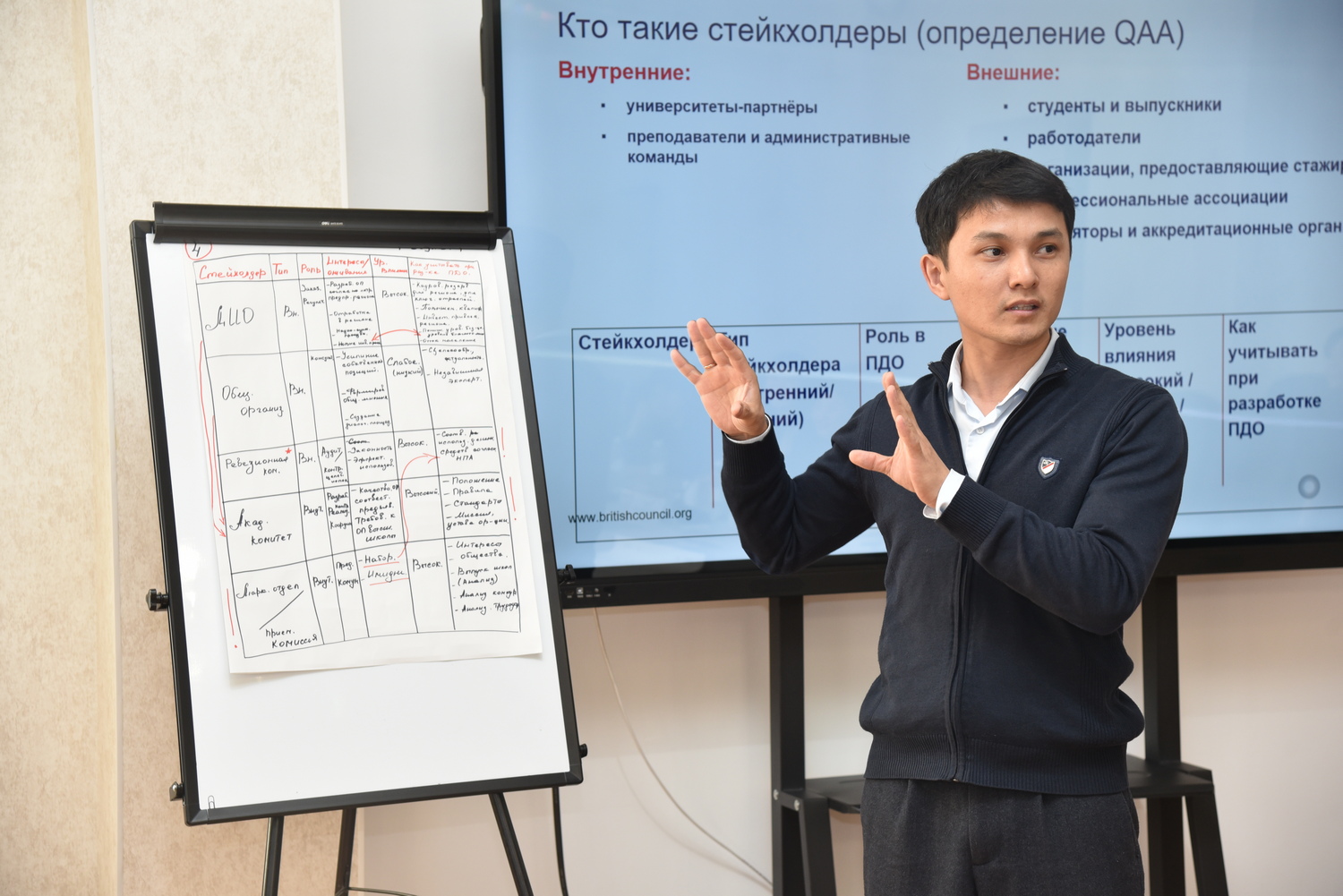
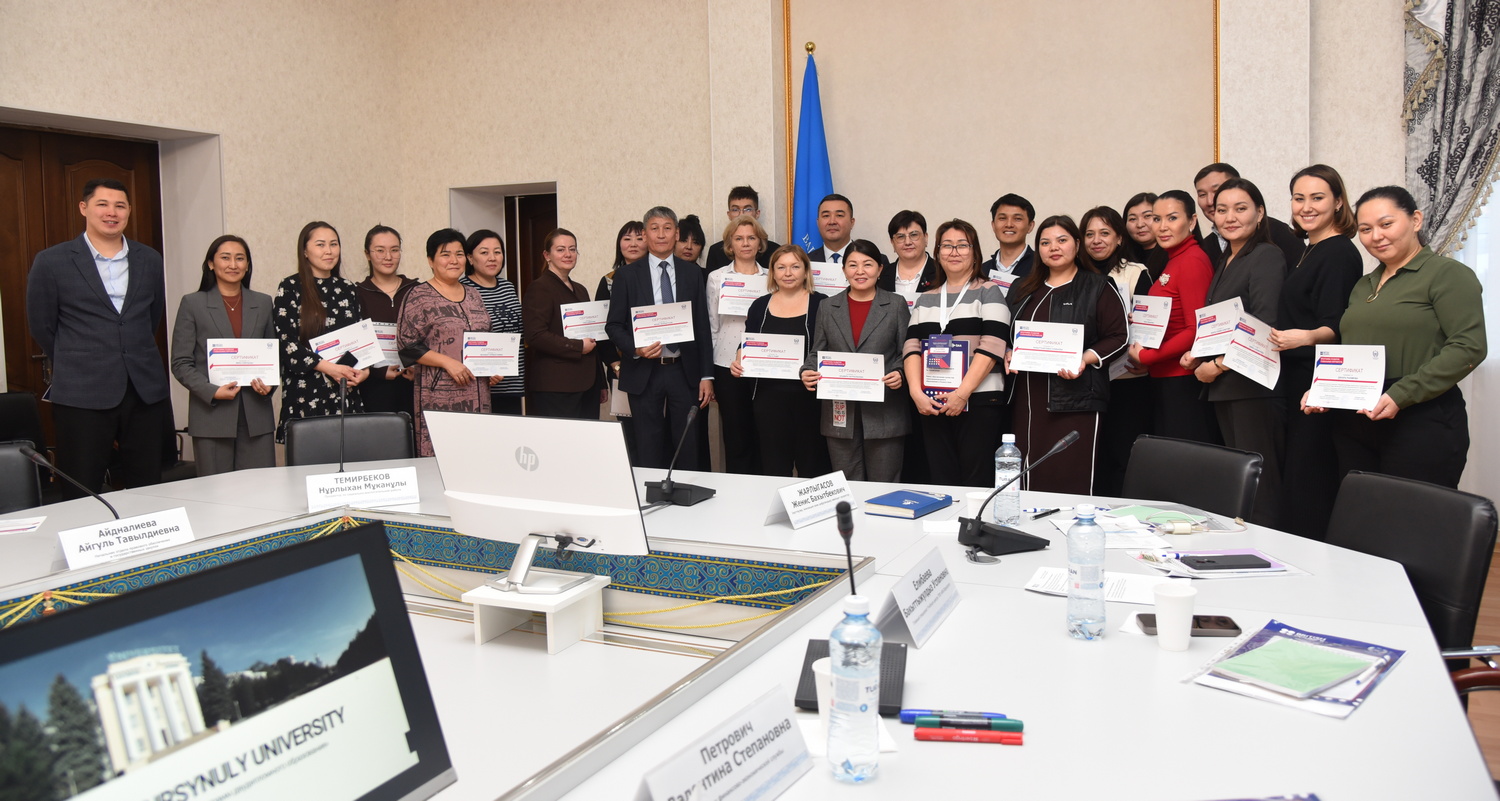
The workshop, titled “Designing Dual Degree Programs,” brought together vice-rectors overseeing key areas of activity, heads of academic programs, department chairs, representatives of structural divisions, employers, and students.
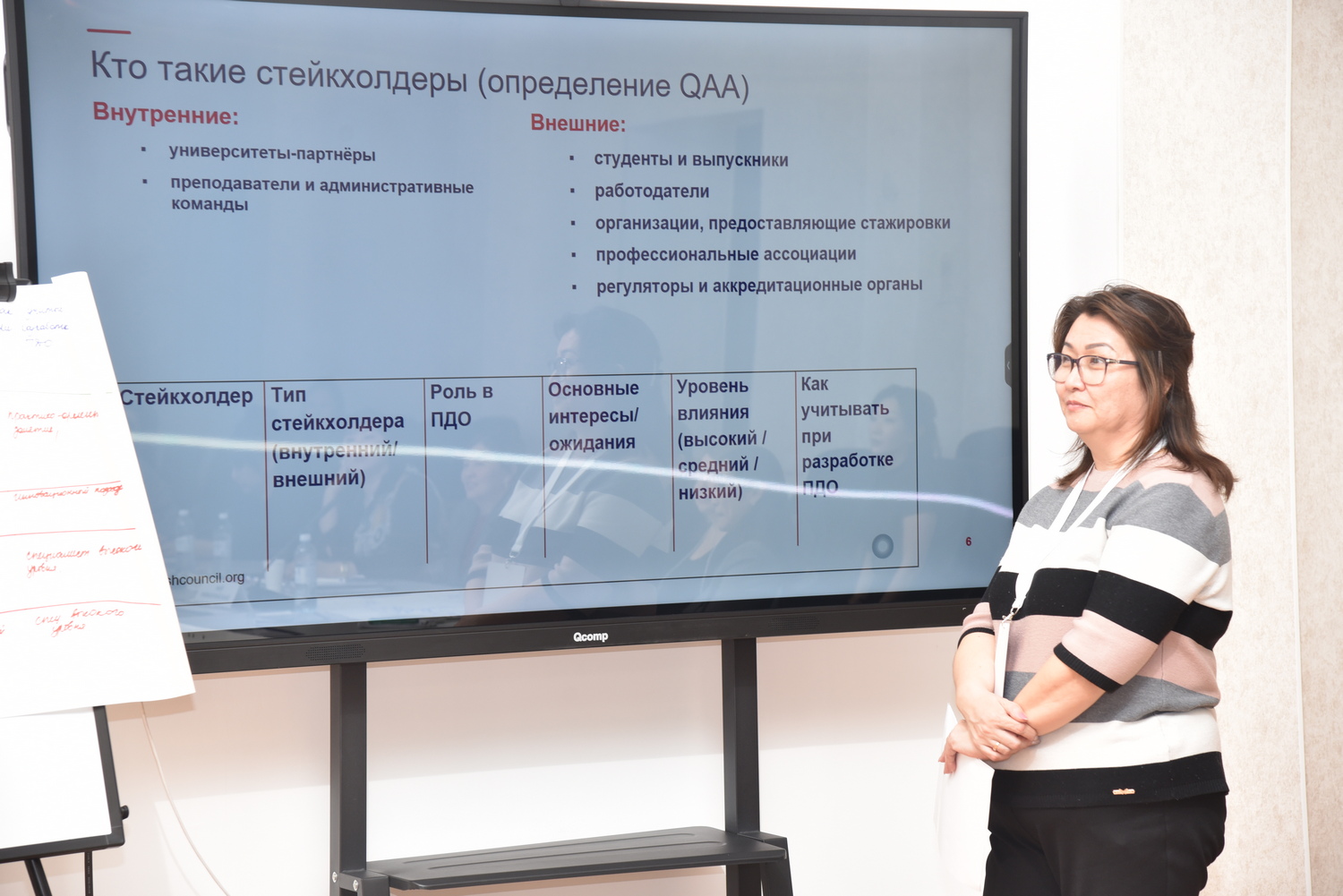
The keynote speaker of the strategic session was Gulnara Ismailova, Head of Academic Policy and Educational Activities at the University. Earlier in February, she completed advanced training in Astana at an inter-university workshop on dual degree program development, organized with the support of the British Council. The expertise gained and international approaches explored during the training were subsequently adapted and presented to participants, taking into account the institutional context and strategic priorities of the University.
The primary objective of the event was to establish a unified understanding of the principles underpinning the design and implementation of dual degree programs, as well as to define the conceptual framework of the University’s Regulation on Dual Degree Programs as a comprehensive internal policy document.
Throughout the workshop, participants examined in detail the concept of dual degree programs, their strategic value for the University, students, and employers, as well as key academic, regulatory, and managerial challenges. The discussion addressed common barriers in establishing dual degree initiatives — from regulatory discrepancies and curriculum alignment complexities to risks of financial instability and institutional constraints.
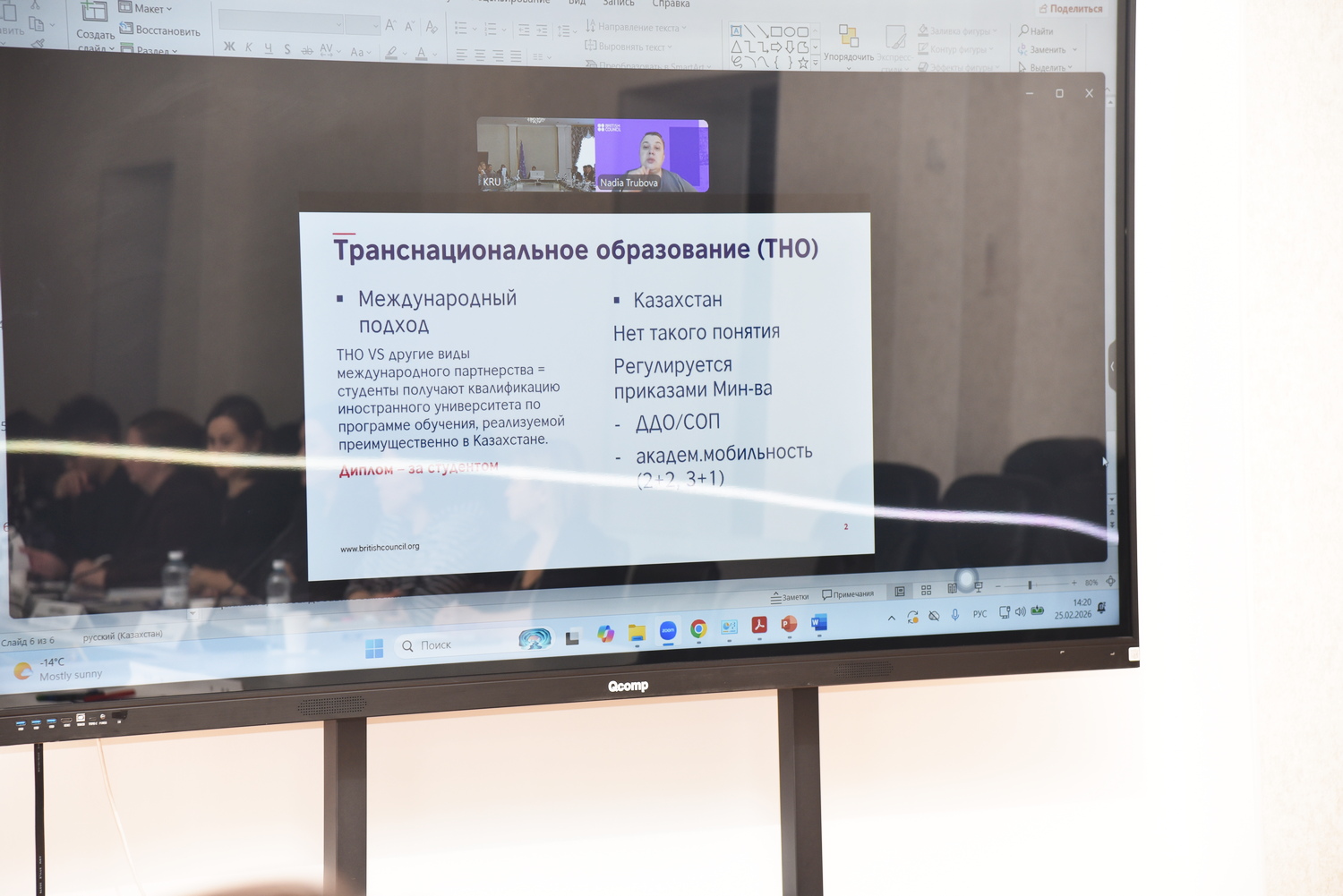
Joining the session online, Nadezhda Trubova, Head of Education Programs at the British Council, provided an overview of the international landscape of transnational education and quality assurance practices in dual degree programs. Her presentation enabled participants to benchmark national approaches against international standards and underscored the importance of clear definitions and a robust institutional quality architecture.
Particular attention during the strategic session was devoted to the lifecycle of dual degree program development — from initiation and institutional readiness assessment to the design of academic and financial models, legal formalization, program launch, and subsequent quality monitoring.
A key outcome of the workshop was the discussion of the structure and internal logic of the Regulation governing the development, implementation, and support of dual degree educational programs at the University. The document establishes a comprehensive regulatory framework covering all stages of dual degree program management and aims to ensure a sustainable, transparent, and scalable model for the delivery of international academic programs.
The workshop marked an important step toward strengthening the University’s institutional maturity and advancing its international academic partnerships.
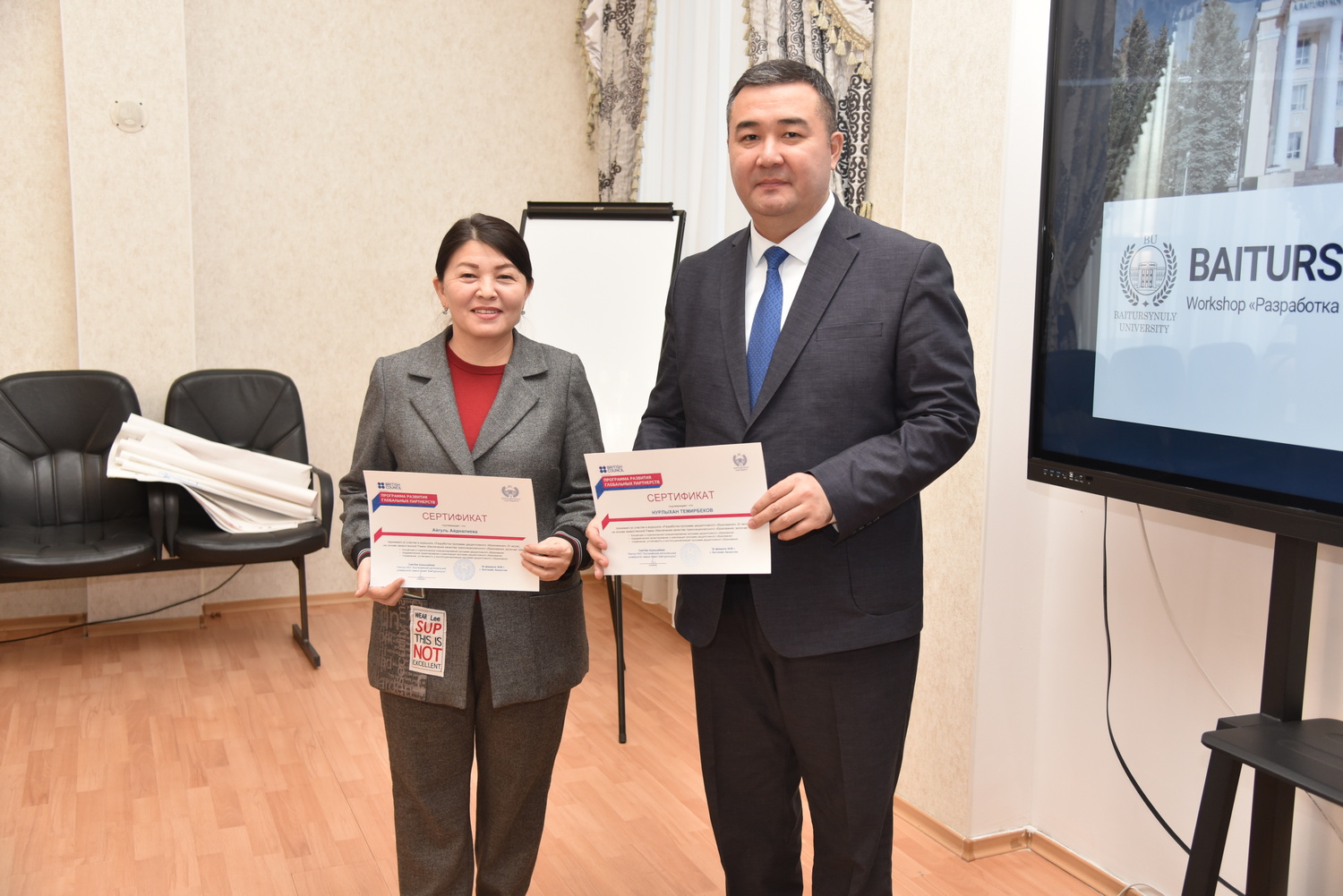
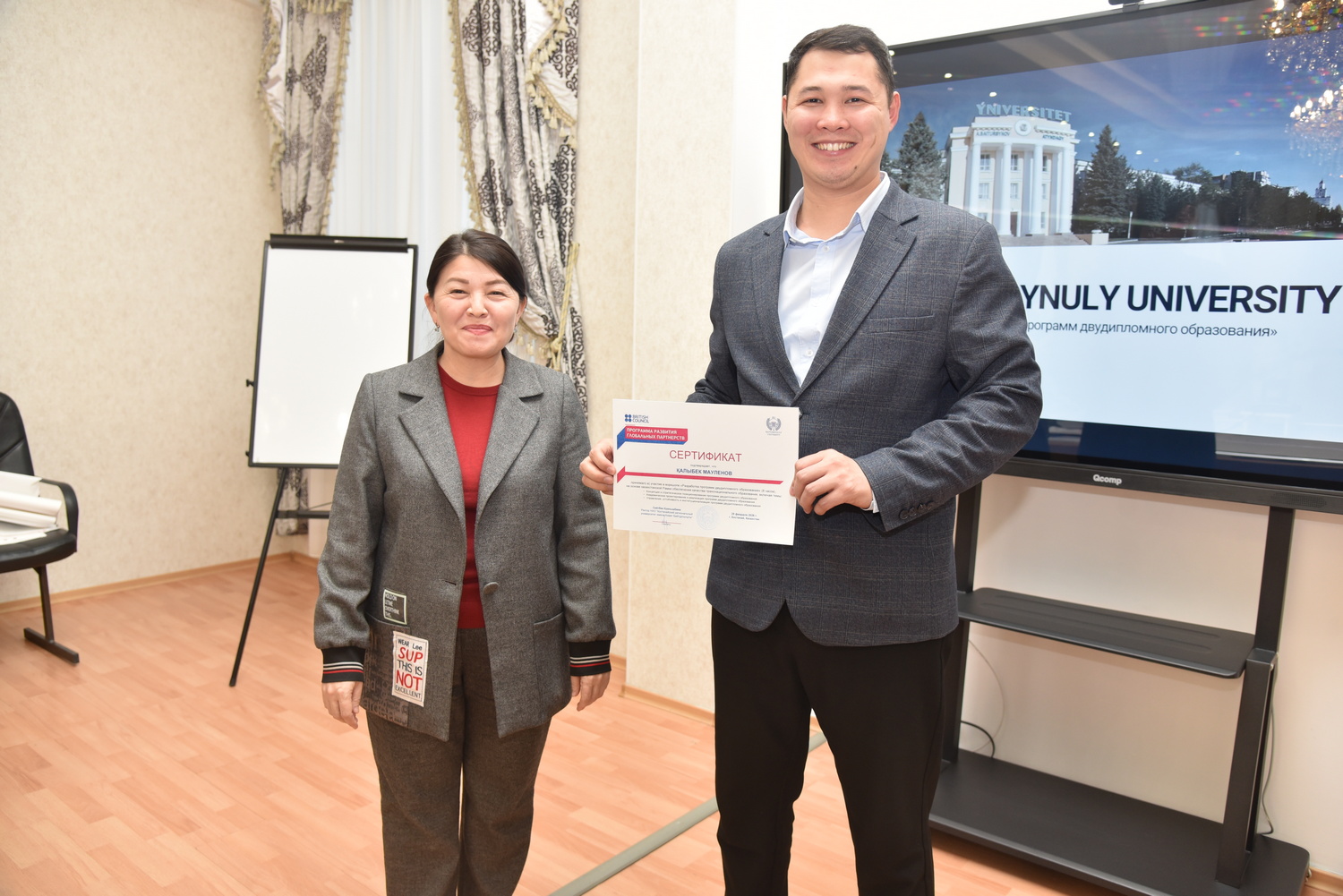
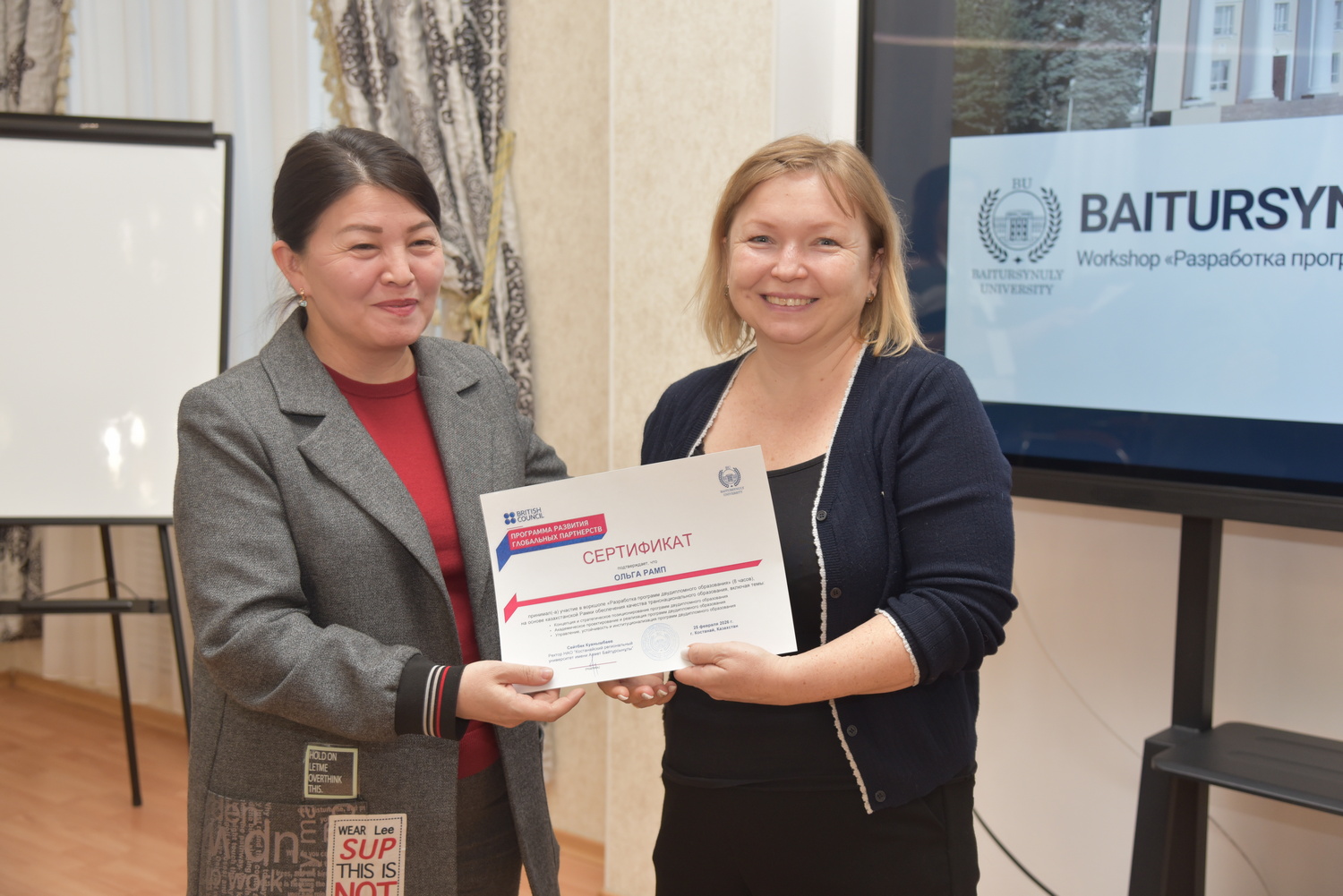
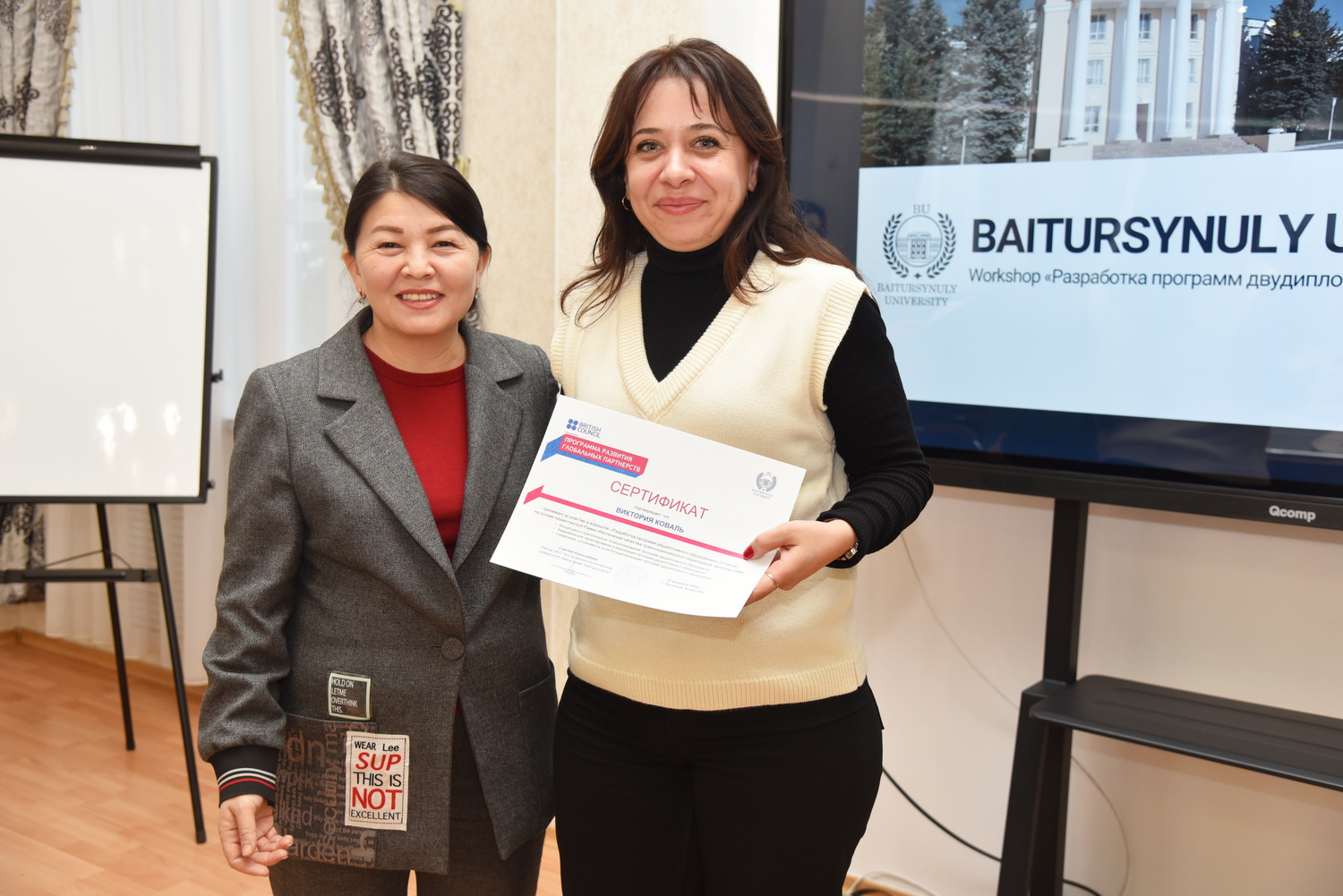
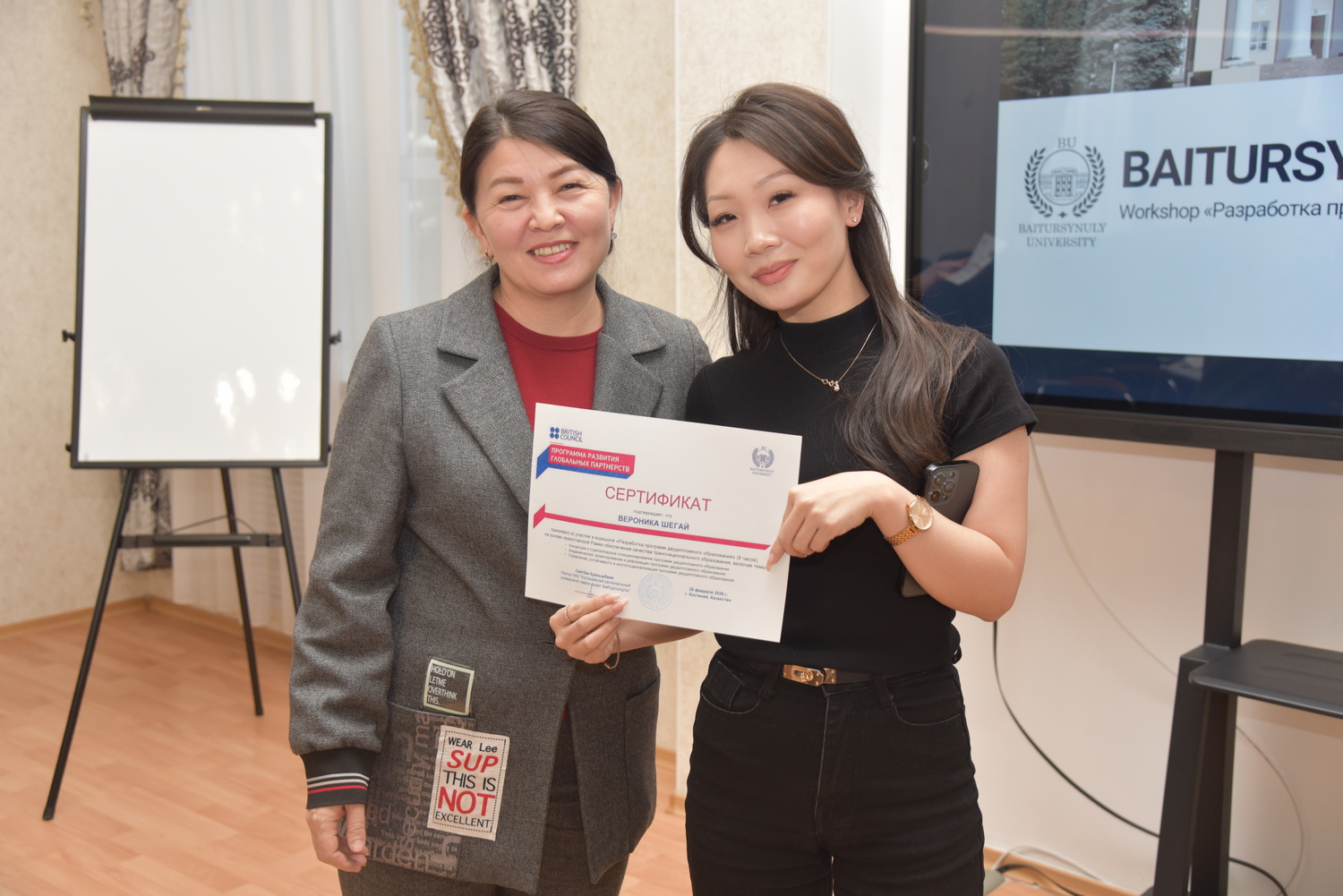
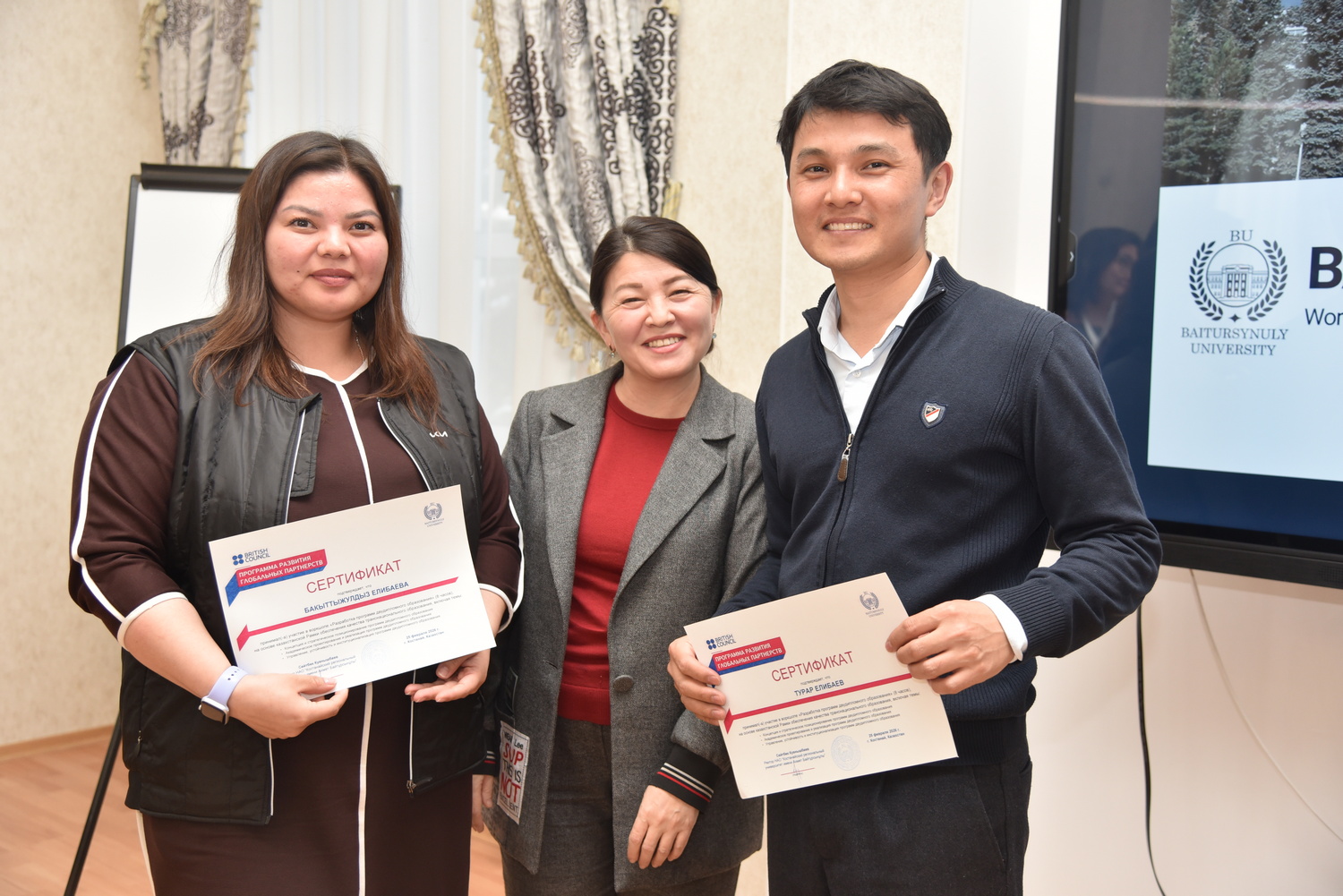
At the conclusion of the event, participants were awarded certificates of completion.