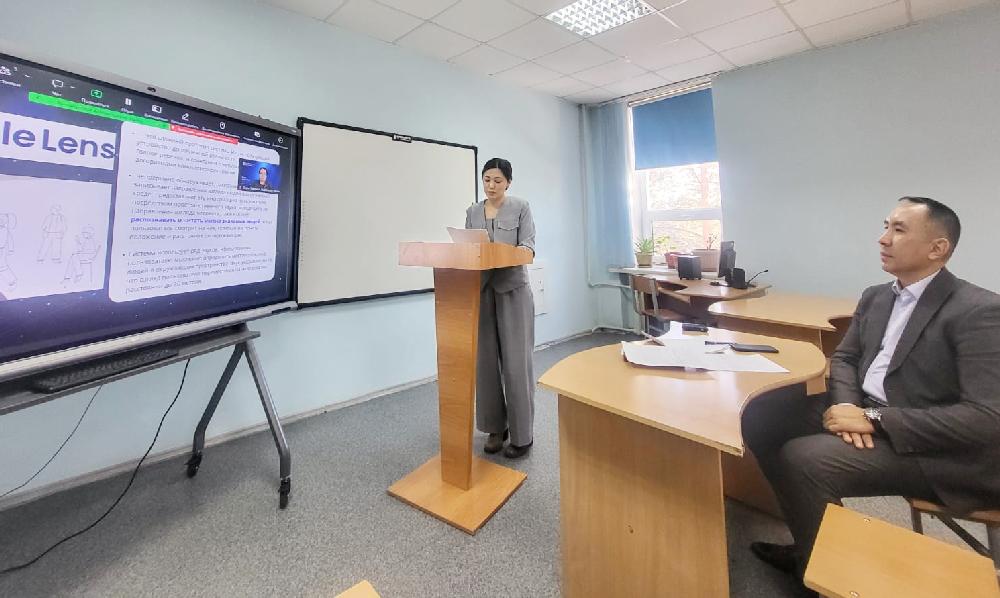
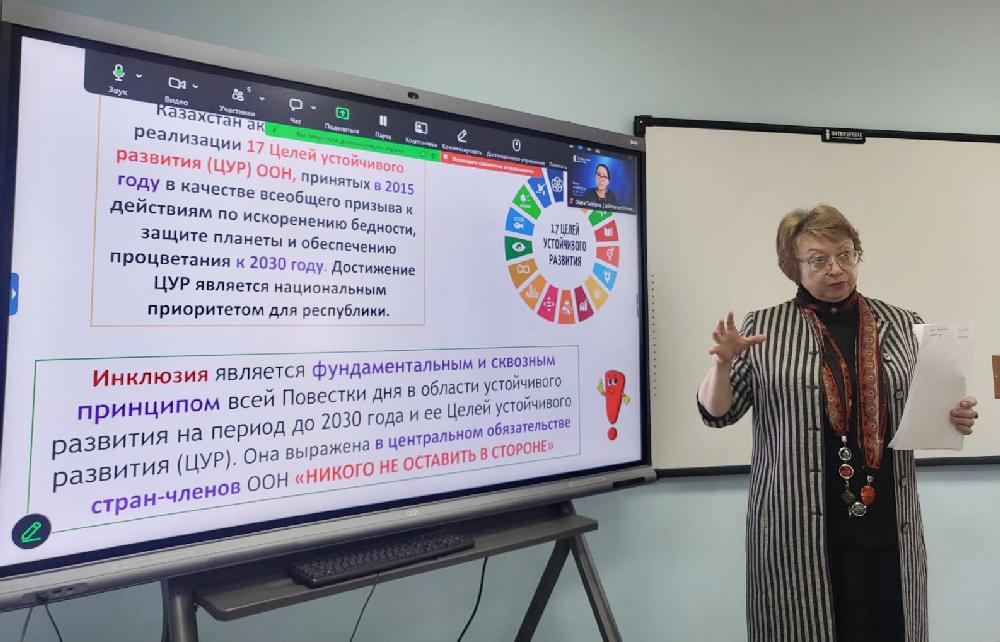
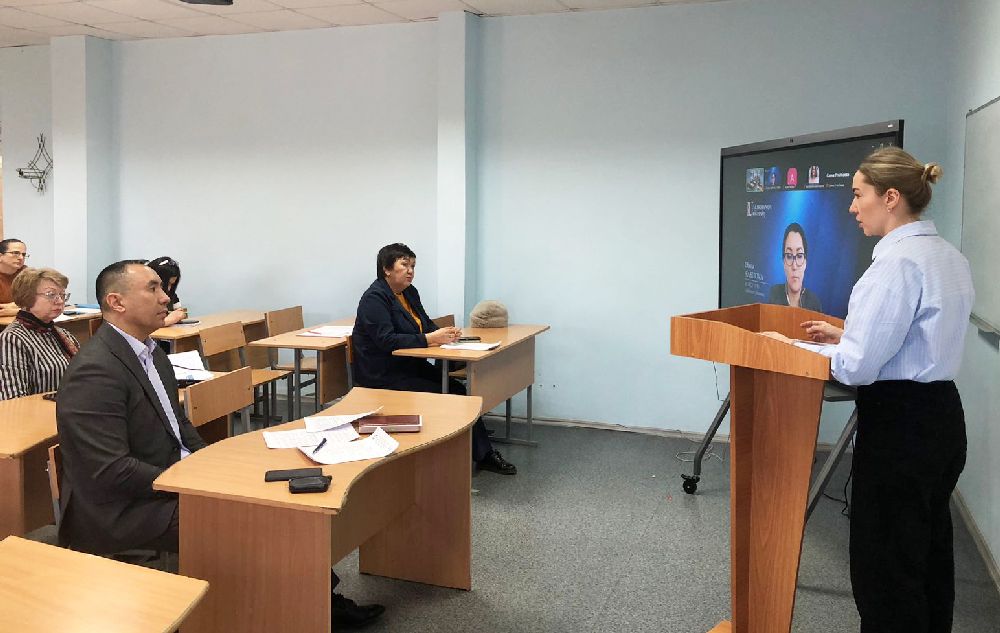
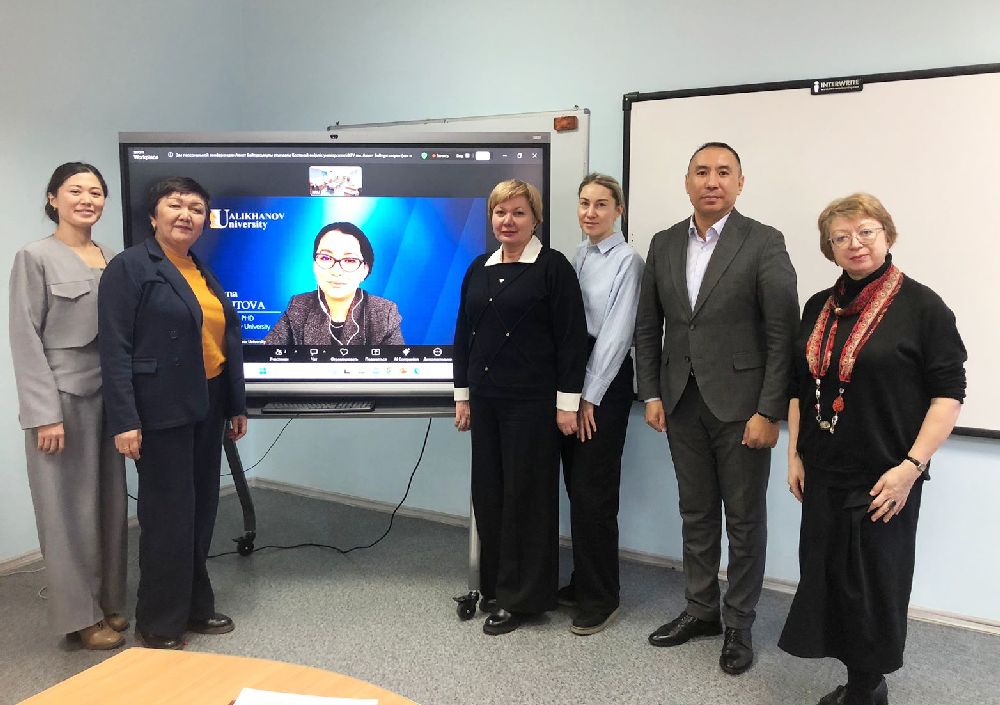
As part of the international scientific and methodological conference INNOVA–2026, a section titled “Inclusive Education and Digital Solutions for Ensuring Equal Access to Learning” addressed some of the most pressing contemporary issues.
The session was held in a hybrid format, bringing together participants to discuss key aspects of the development of inclusive education in the digital era. The discussion fostered a lively dialogue with active exchange of experiences and best practices.
Today, inclusion as a concept goes beyond the traditional educational process and is becoming a global trend.
The participants explored the corrective and developmental potential of digital technologies in teaching children with intellectual disabilities, as well as the triad of inclusive components: inclusive policy, culture, and practice.
Special attention was given to the challenge of maintaining a balance between the digitalization of educational processes—including the use of AI-based assistive technologies and the creation of an immersive educational environment—and ethical standards and the protection of users’ personal data.