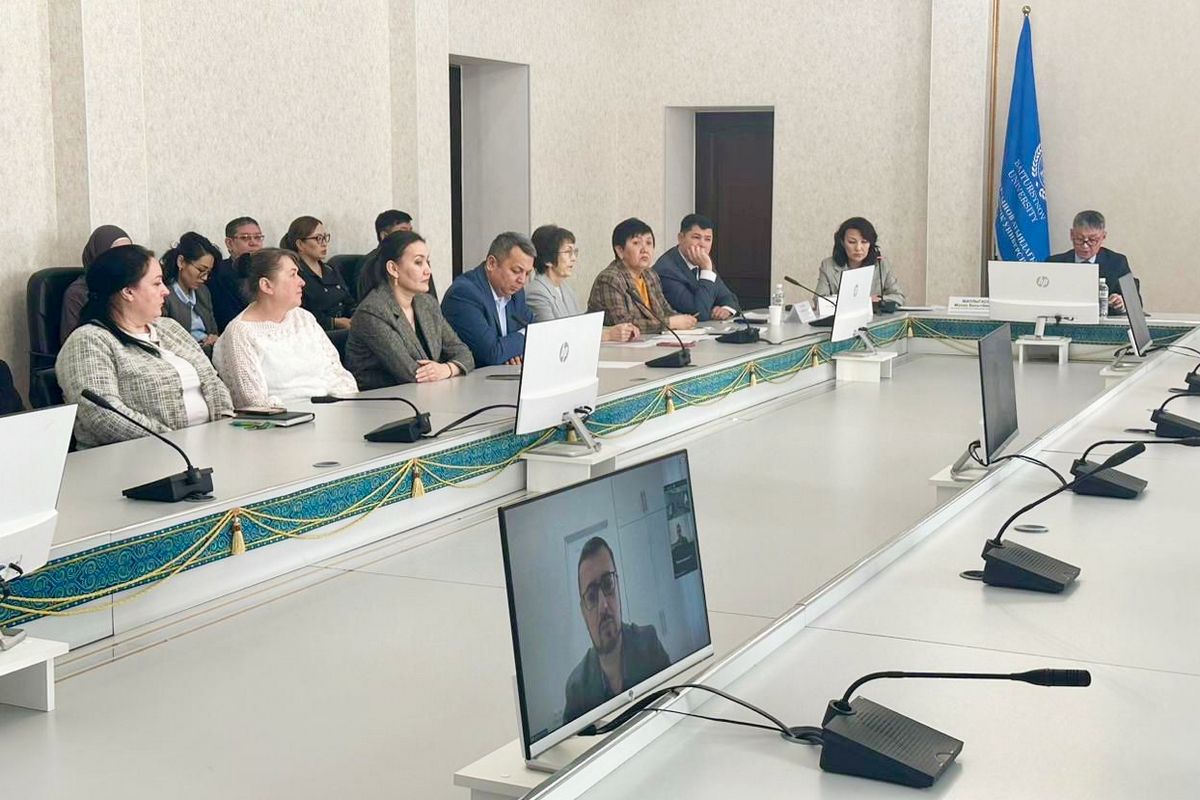
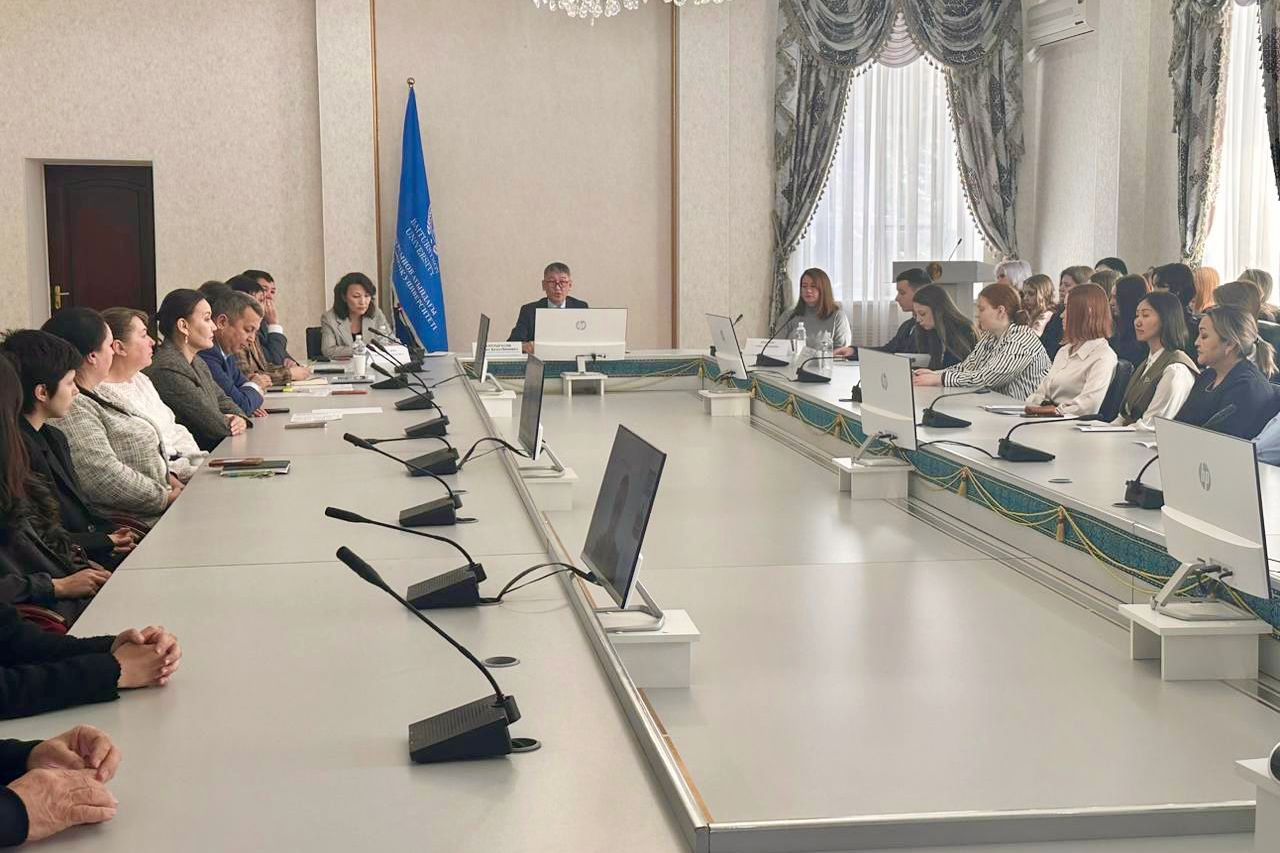
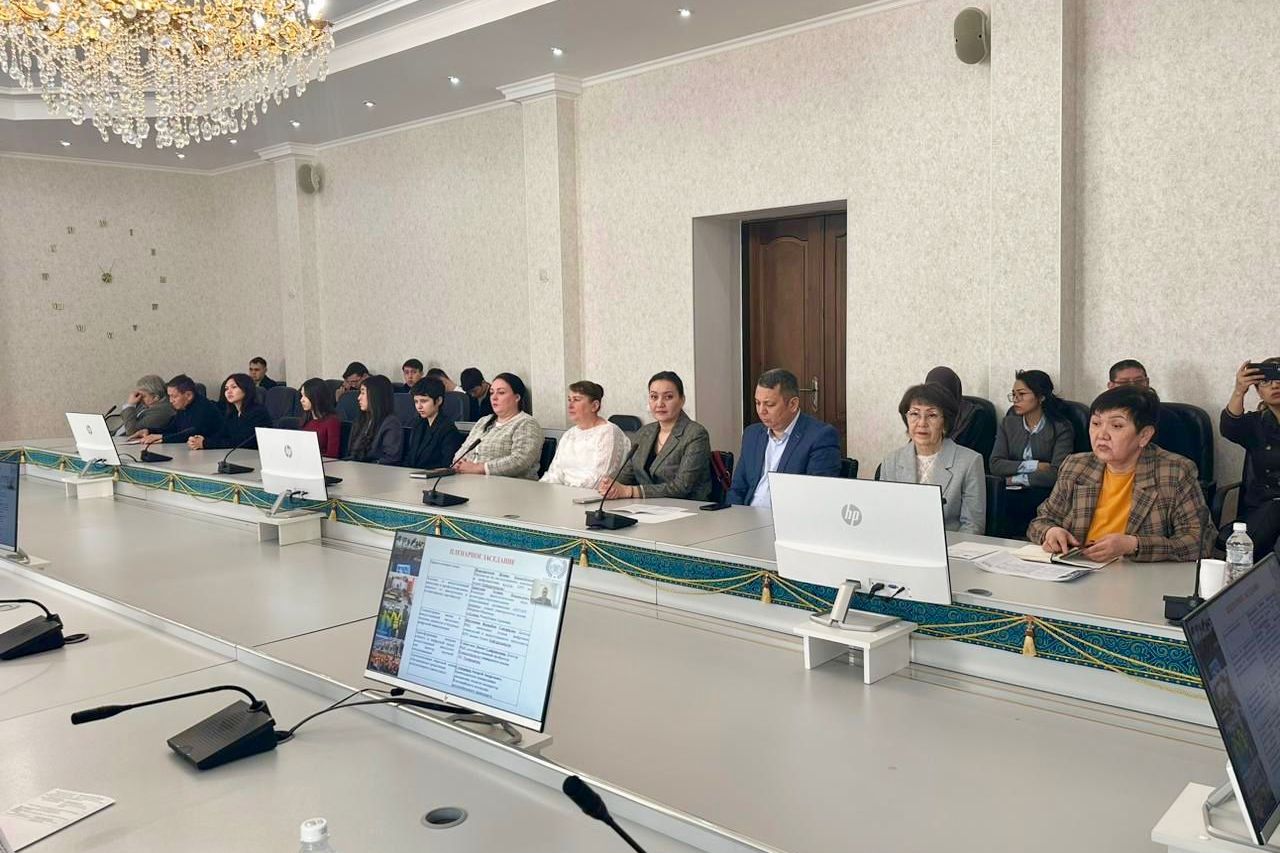
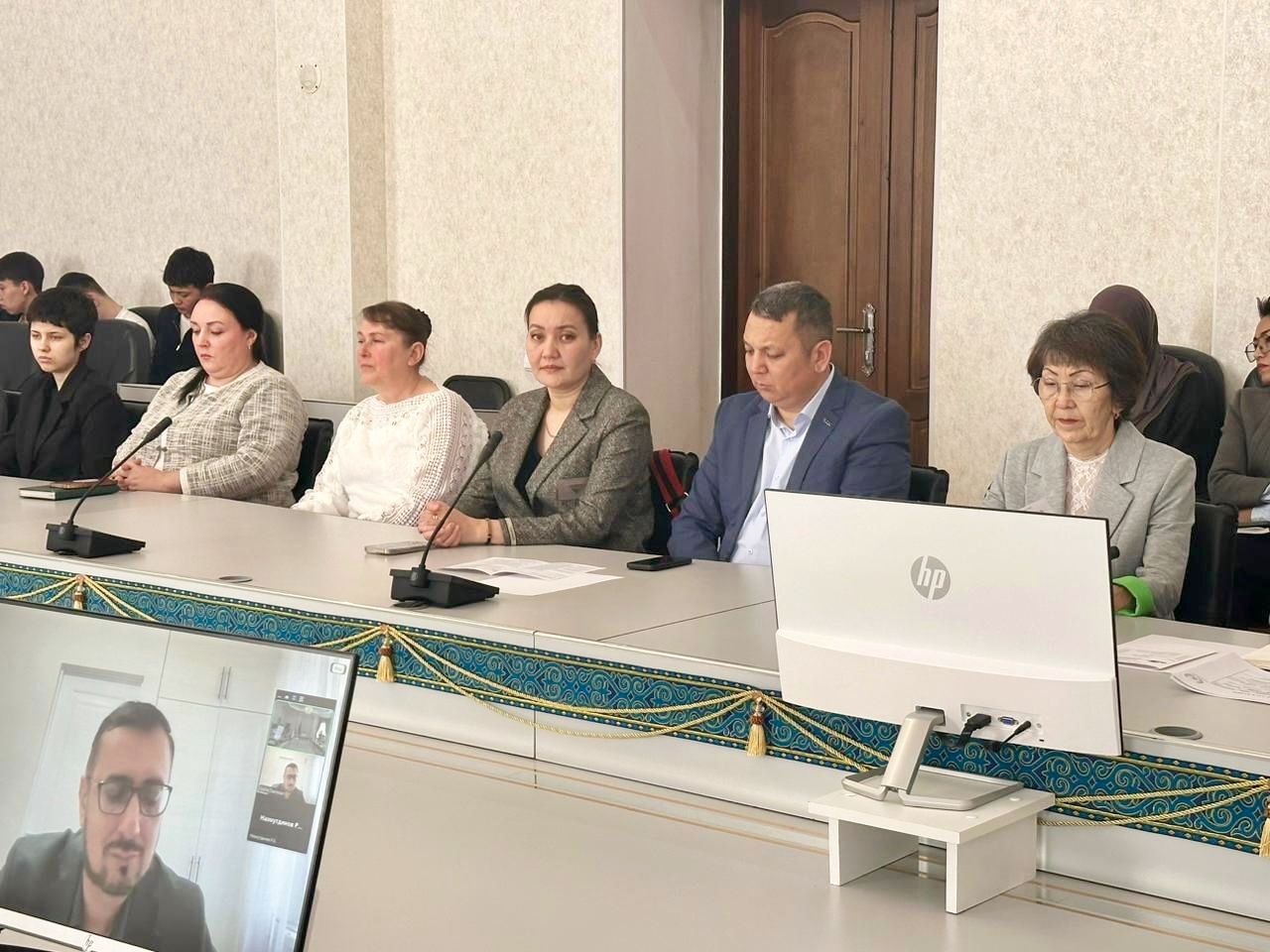
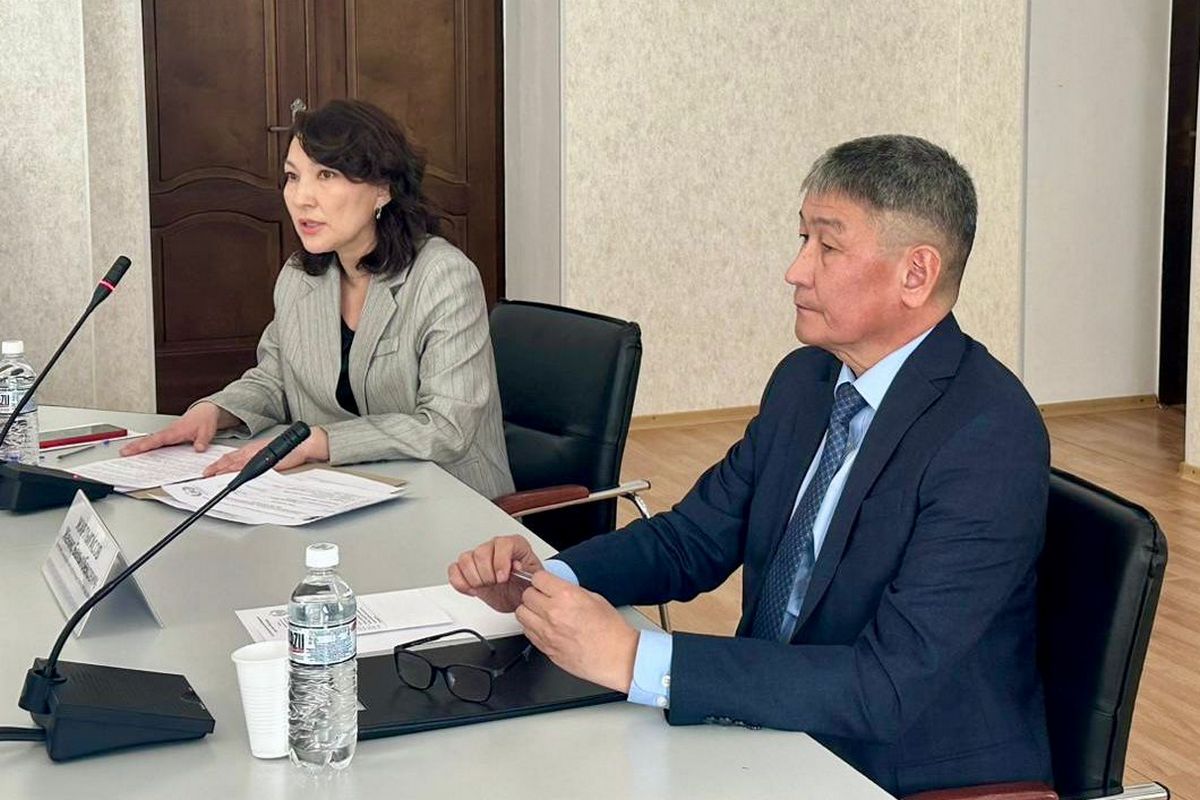
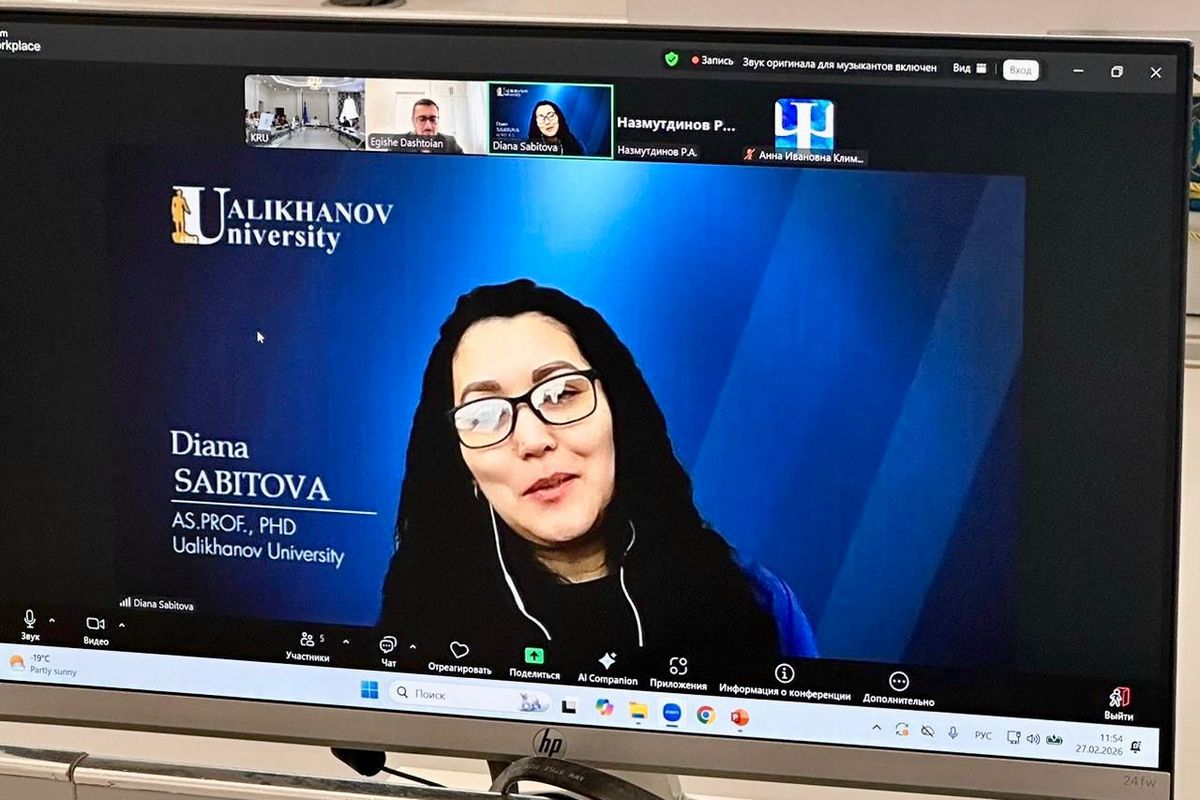
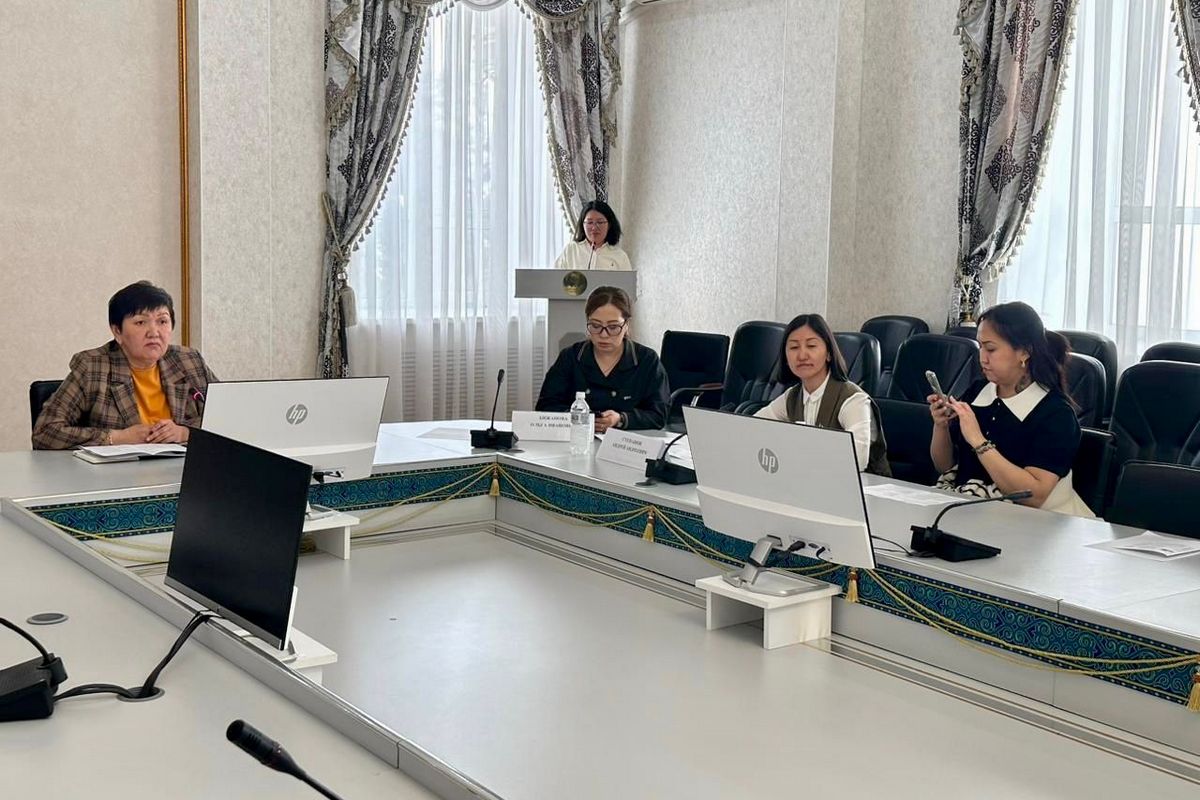
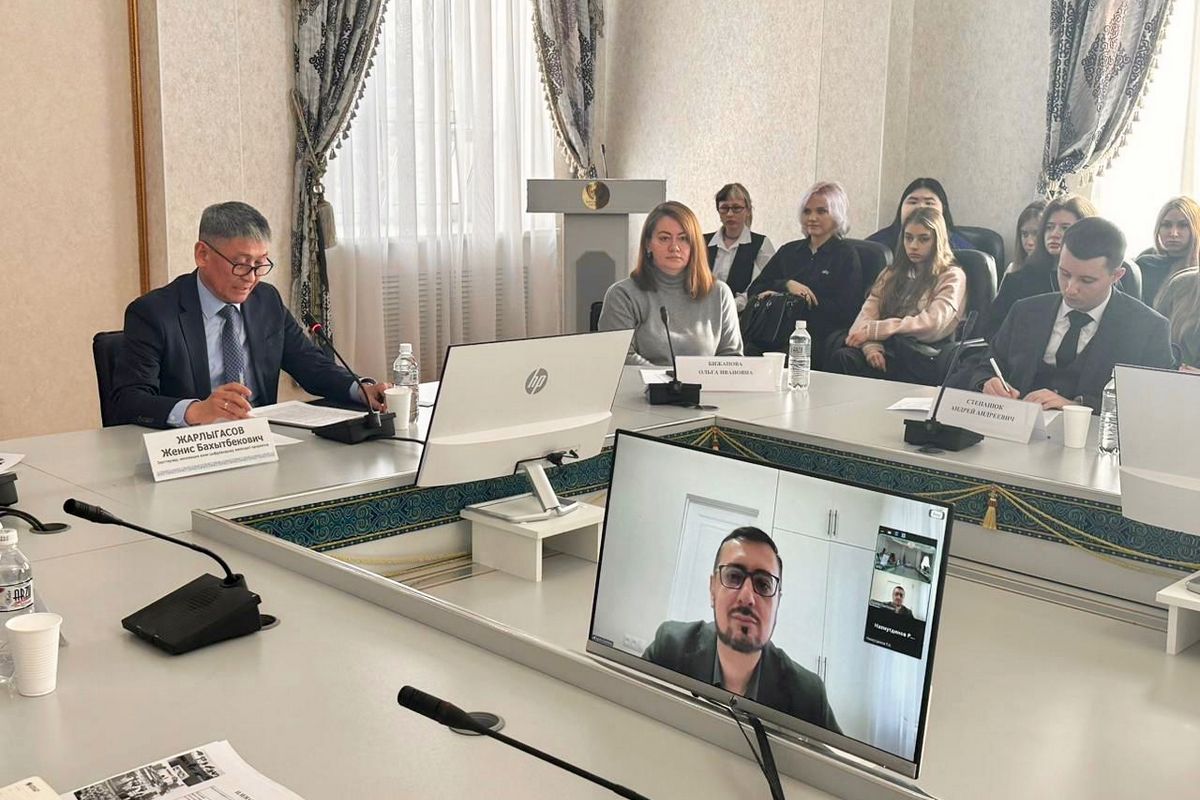
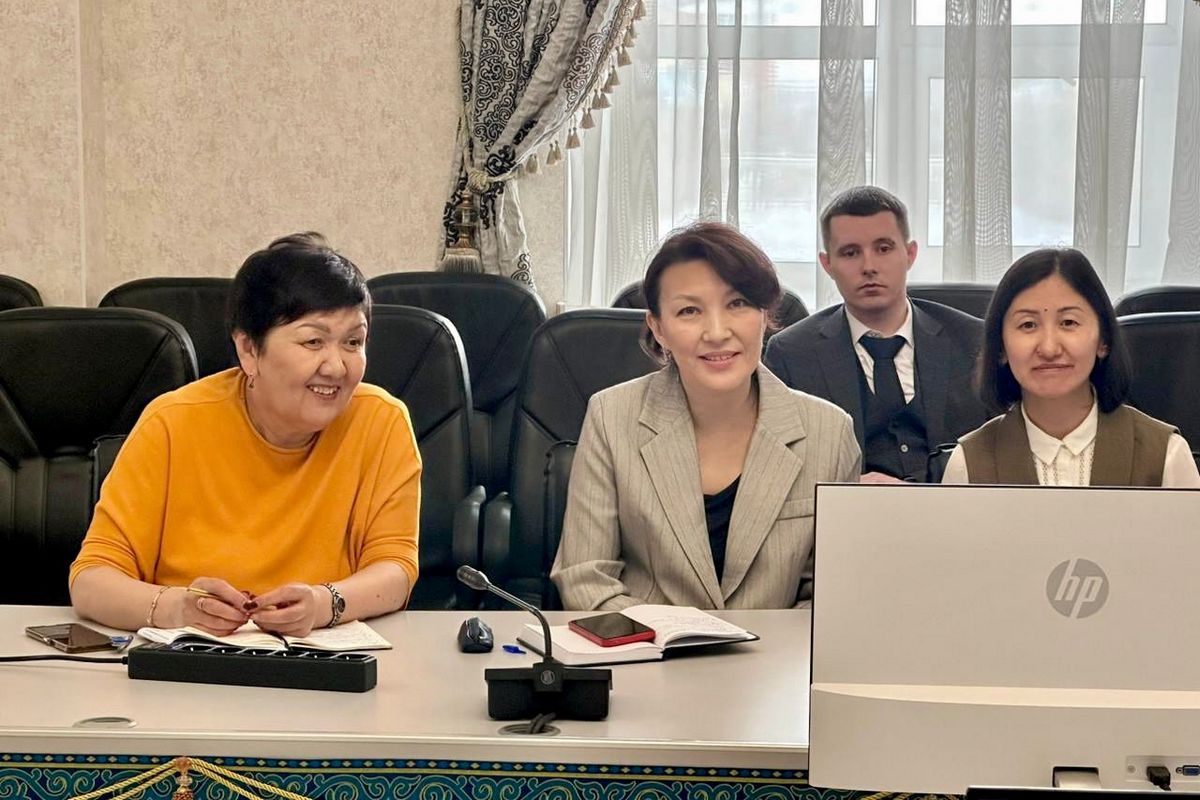
Participants discussed pressing issues at the intersection of technology and society — from the ethics and philosophy of artificial intelligence to its impact on psychology, linguistics, and family values.
With the emergence of AI, professional culture is undergoing transformation. Artificial intelligence is increasingly integrated into human cognitive processes, giving rise to what researchers describe as cognitive partnership.
According to experts, AI systems gradually adapt to their users. As unusual as it may sound, a phenomenon of collaborative thinking is emerging.
Associate Professor Yegishe Dashtoyan of Mesrop Mashtots University (Yerevan, Republic of Armenia) noted:
“The system adapts to the user’s style of thinking, which is reflected in its choice of terminology, argument structure, and response genre.
A history of interaction is formed, increasing the accuracy of subsequent decisions.
As a result, a shared logic of reasoning emerges, where the outcome becomes a product of sustained dialogue.
In this configuration, artificial intelligence functions as a kind of mirror of a specialist’s intellectual culture.”
At the same time, the speaker emphasized the importance of preserving intellectual agency and the need to critically evaluate AI-generated outputs.
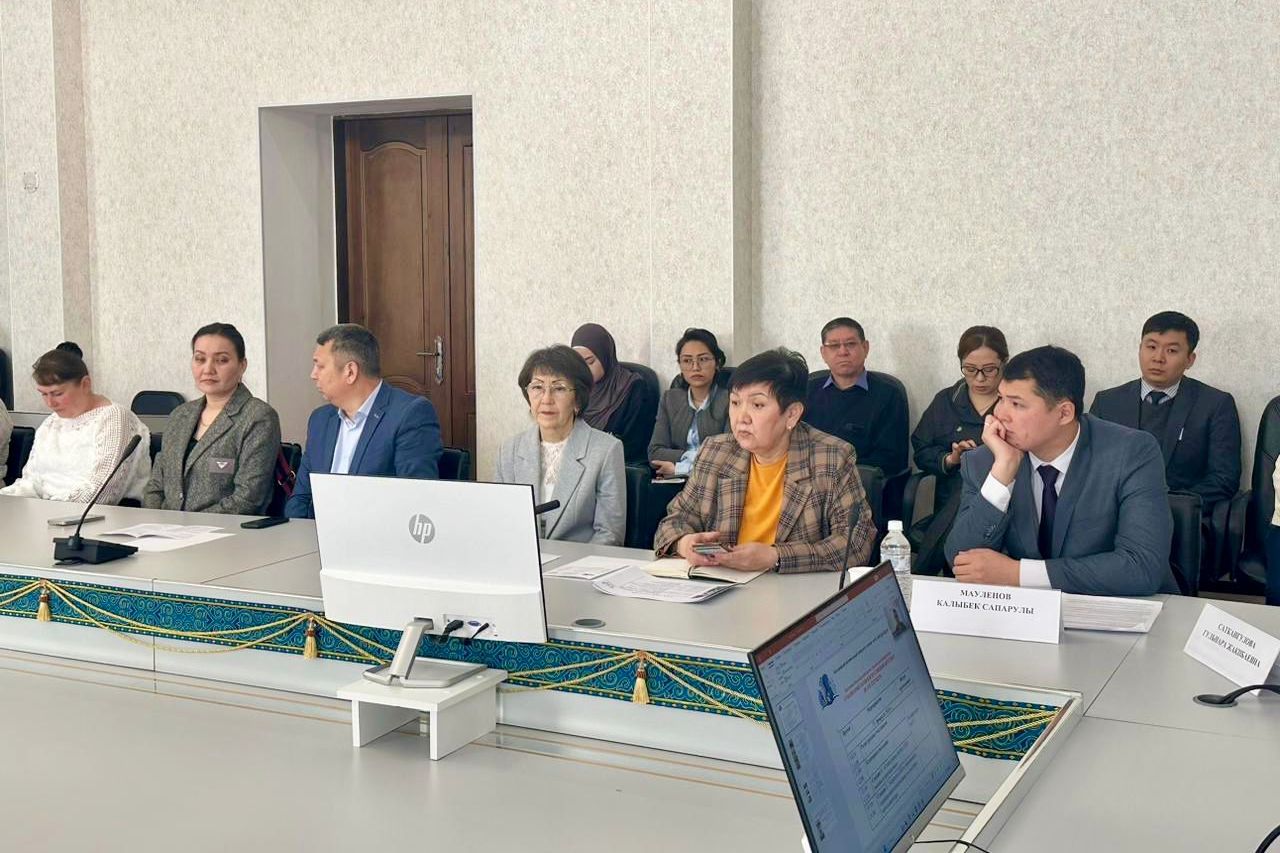
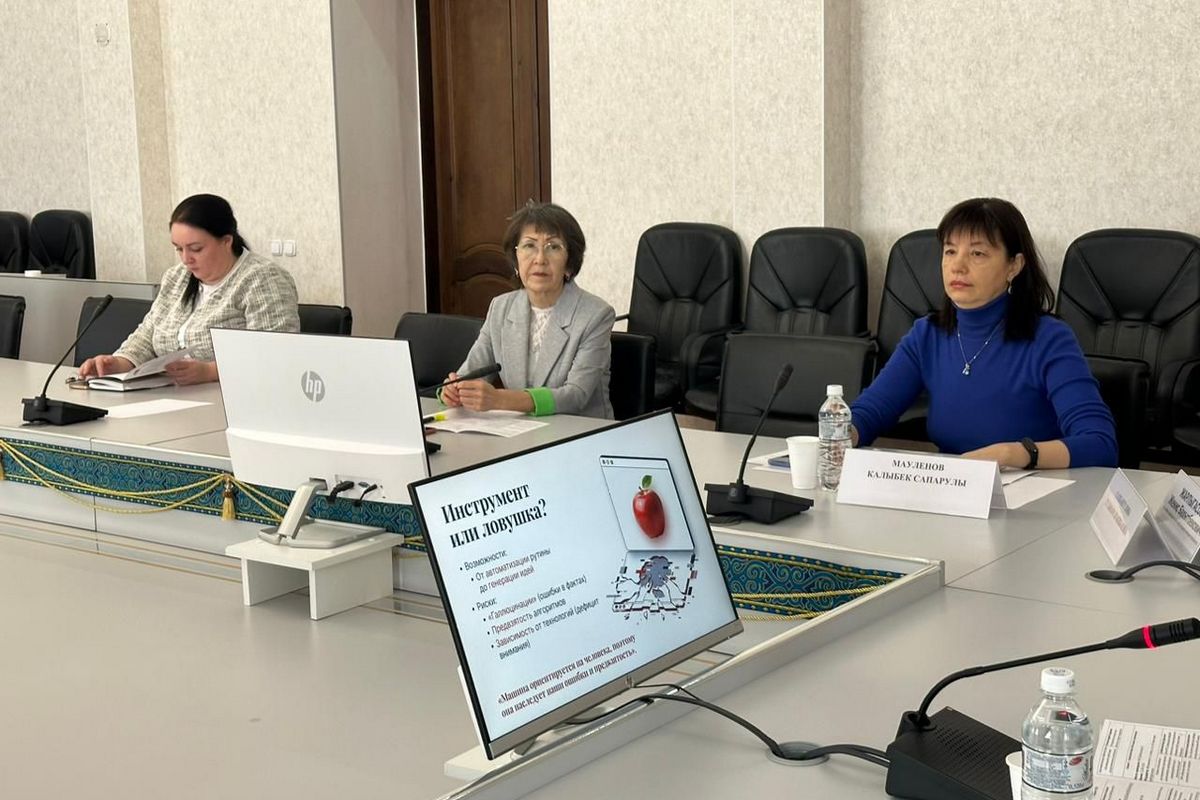
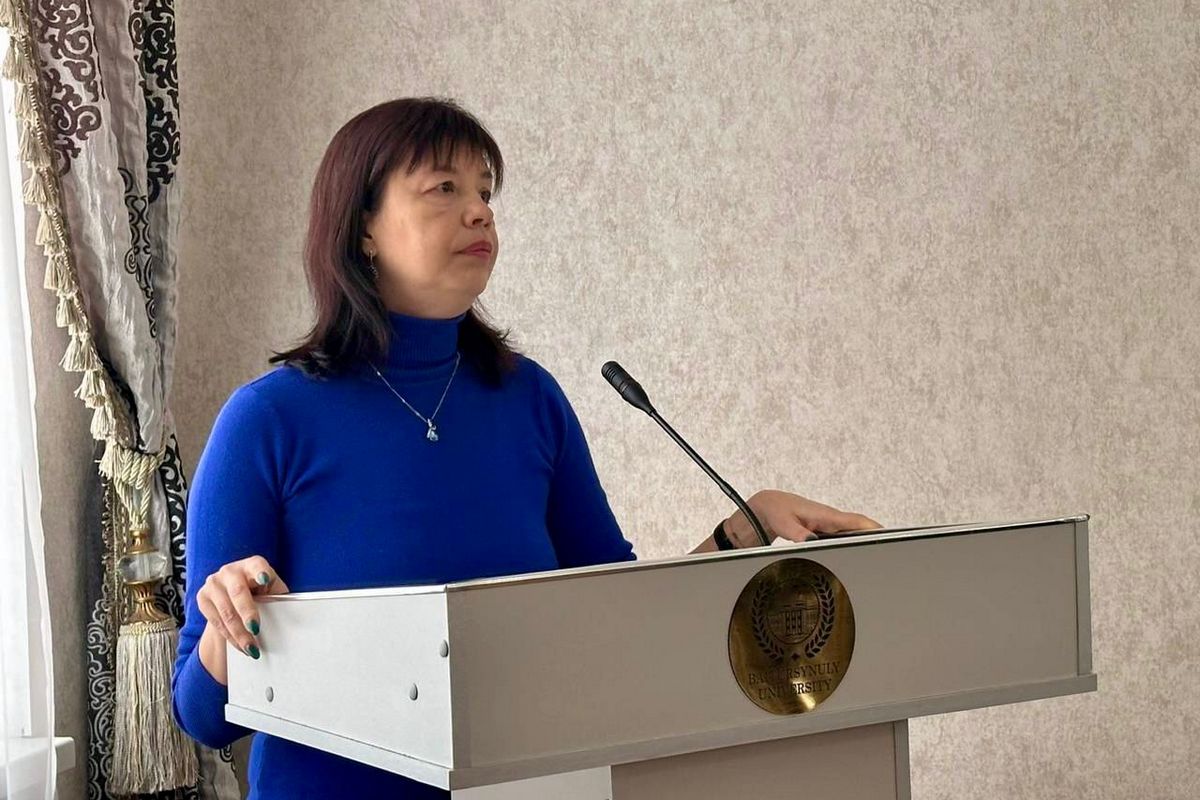
Kalybek Maulenov, Head of the Center for Digital Technologies and Artificial Intelligence at the university, addressed the risks of substituting human thinking with artificial intelligence and highlighted the importance of fostering digital culture.
During sectional sessions, participants explored various areas of AI application, including inclusion, media, criminal procedure, psychology, and the use of AI in translation.
Elmira Nikiforova, Assistant Professor in the Department of Foreign Philology, presented the advantages and disadvantages of digital translation tools.
She noted that AI systems may “standardize” the original text during translation — particularly literary or creative works — potentially shifting semantic emphasis.
While acknowledging the benefits of such tools, the expert recommended mandatory human review and editing of AI-generated translations.
The second section featured a workshop titled “AI in Education: Creating an Intelligent Teaching Assistant,” where Turar Yelibayev, Head of the Office of Competence and Career Development, discussed the use of AI tools in research activities.
The approaches to talent development and interdisciplinary research discussed at the conference contribute to strengthening the national AI-Sana program.
Such academic meetings help build the humanitarian foundation of an innovative ecosystem, enabling future specialists not only to master algorithms but also to develop socially significant DeepTech projects.
The conference covered a broad range of current issues related to the development of artificial intelligence.
Participants expressed their gratitude to the organizers — representatives of the Departments of Psychology and Software Engineering — for a substantive and engaging program.