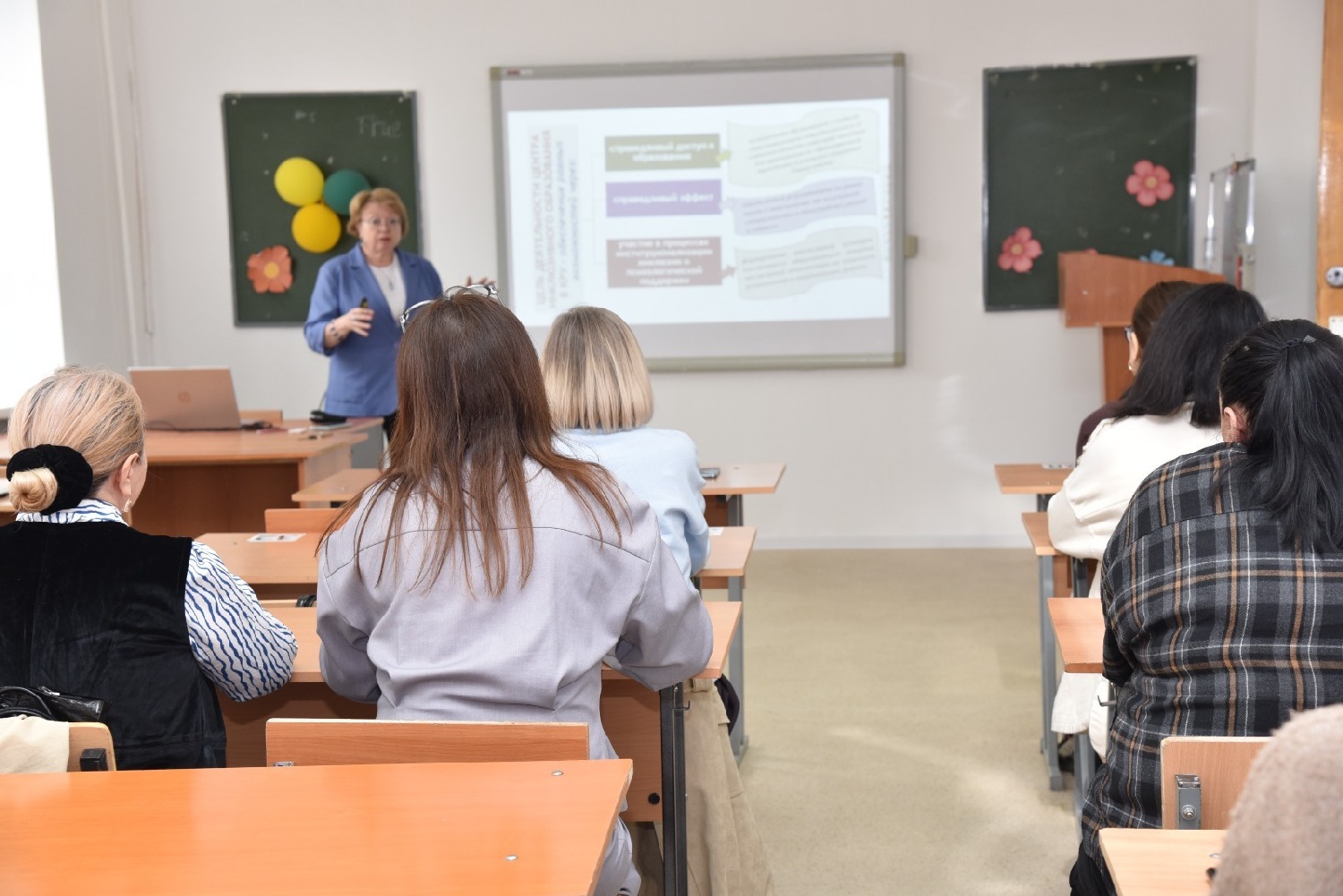
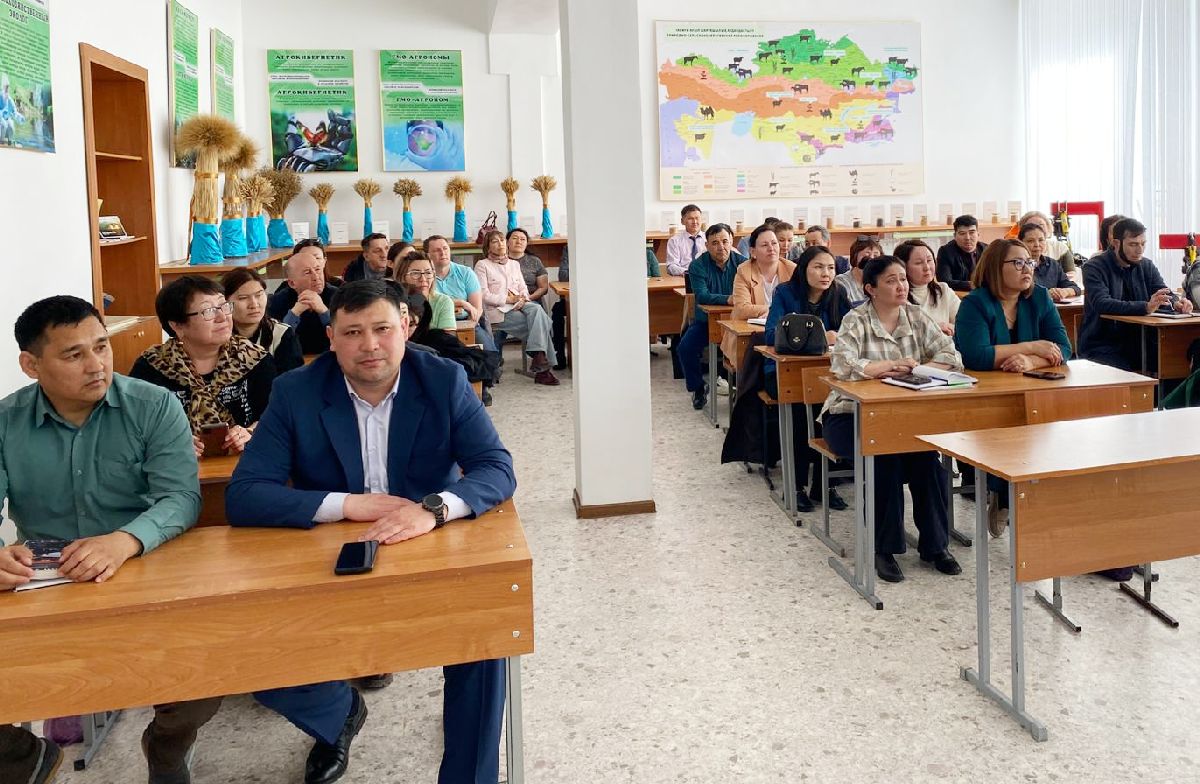
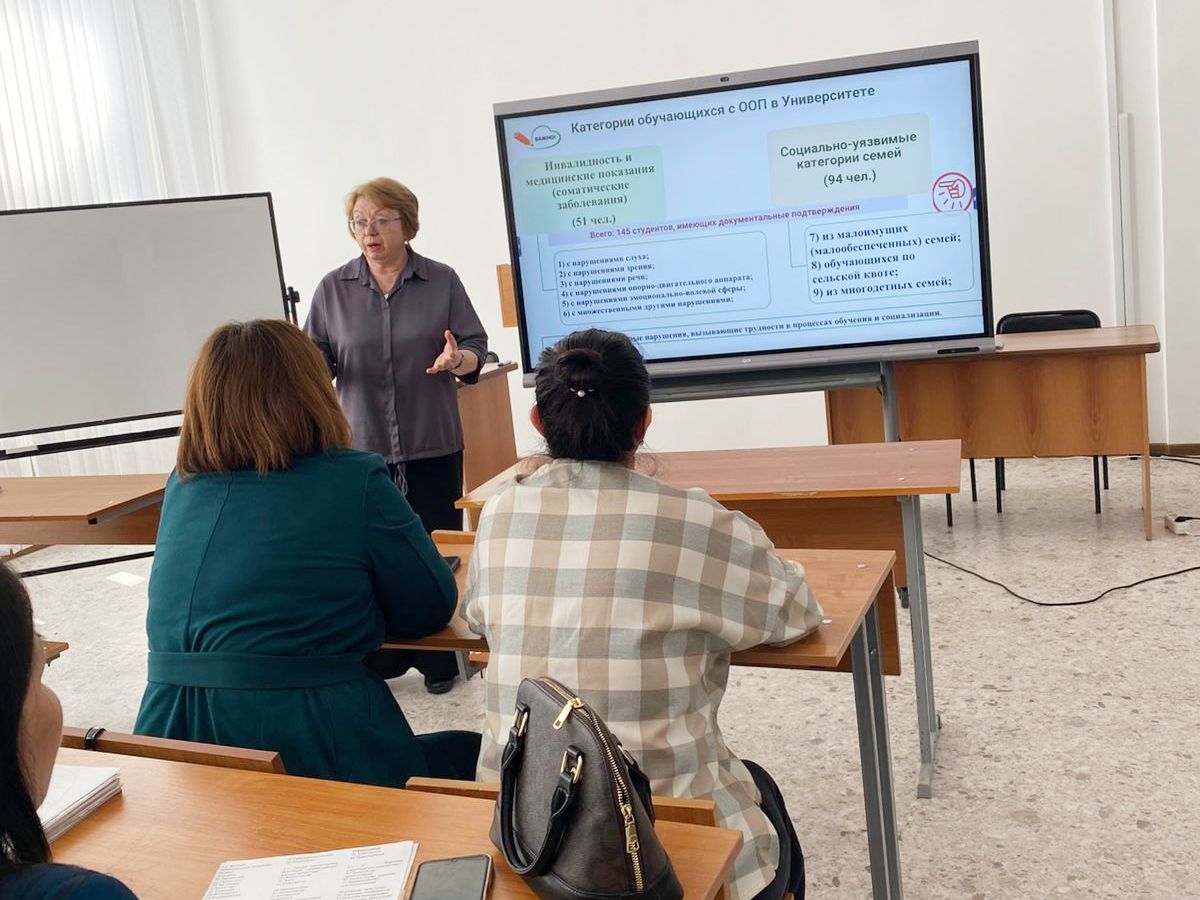
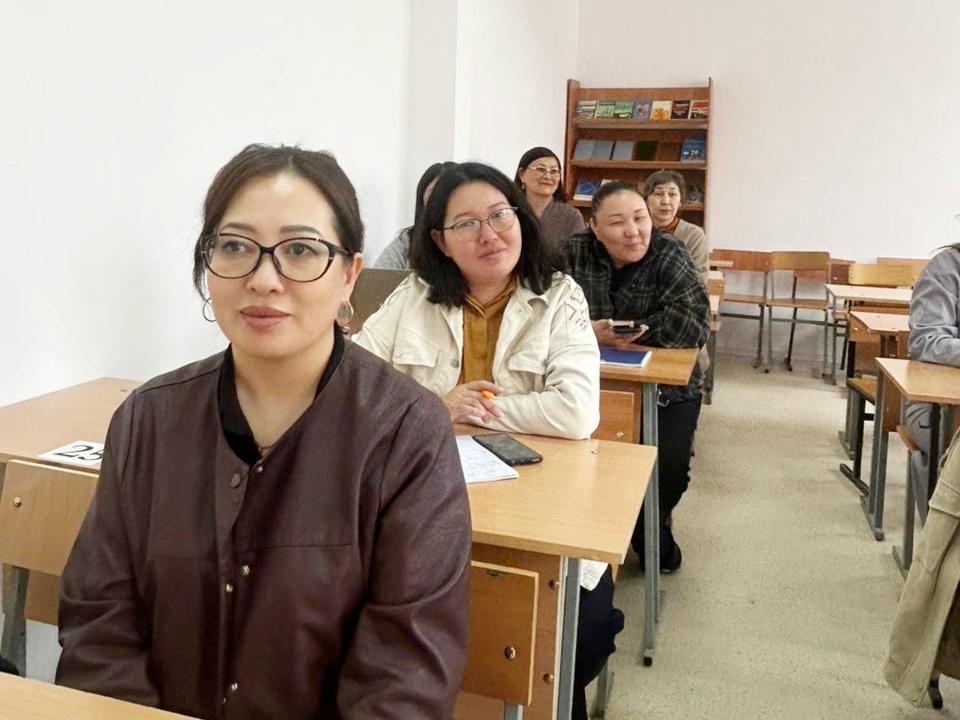
Specialists from the KRU Center for Inclusive Education and Psychological Support conducted methodological seminars for faculty members and dean’s office staff across the university’s faculties on the topic “Regulatory Requirements for Working with Students with Special Educational Needs.” A similar seminar will also be held at the Pedagogical Institute at the end of May.
KRU follows the principle that a modern university is a space of equal opportunities where every student can realize their potential. An inclusive university is one that is open to everyone and strengthened by diversity and a culture of mutual respect.
Today, inclusive education is an integral part of the development of a modern university. Its key principle is “to leave no one behind.”
Currently, Kostanay Regional University educates 145 students with special educational needs across 63 educational programs, representing more than 40% of the university’s total academic programs. The university provides the necessary conditions for these students by adapting curricula, developing an accessible educational environment, and fostering a culture of mutual support and respect.
An inclusive university is not only about accessibility but also about creating an atmosphere of trust, support, and equal participation for every student in university life.
KRU places special emphasis on the professional development of its teaching staff. During the seminar, participants reviewed recent changes in qualification requirements for educational activities in higher education institutions.
Previously, it was sufficient for universities to employ specialists who had completed advanced training or retraining courses in inclusive education methods. However, the updated requirements now place greater emphasis on practical teaching skills for working with individuals with special educational needs, as well as on the systematic training of educators in the field of inclusive education.
Participants were also introduced to the key provisions of the Inclusive Education Model and KRU’s methodological recommendations for organizing the educational process for students with special educational needs.
Statistical data presented during the meeting indicated a growing number of students with special educational needs, highlighting the importance of developing an inclusive culture and providing ongoing internal training for university staff.
“Inclusion is about equal access, respect, and opportunities for everyone. Inclusive education is a step toward equal opportunities,” noted Tulegen Kobzhasarov, Deputy Dean for Educational Work at the Faculty of Agricultural Sciences.