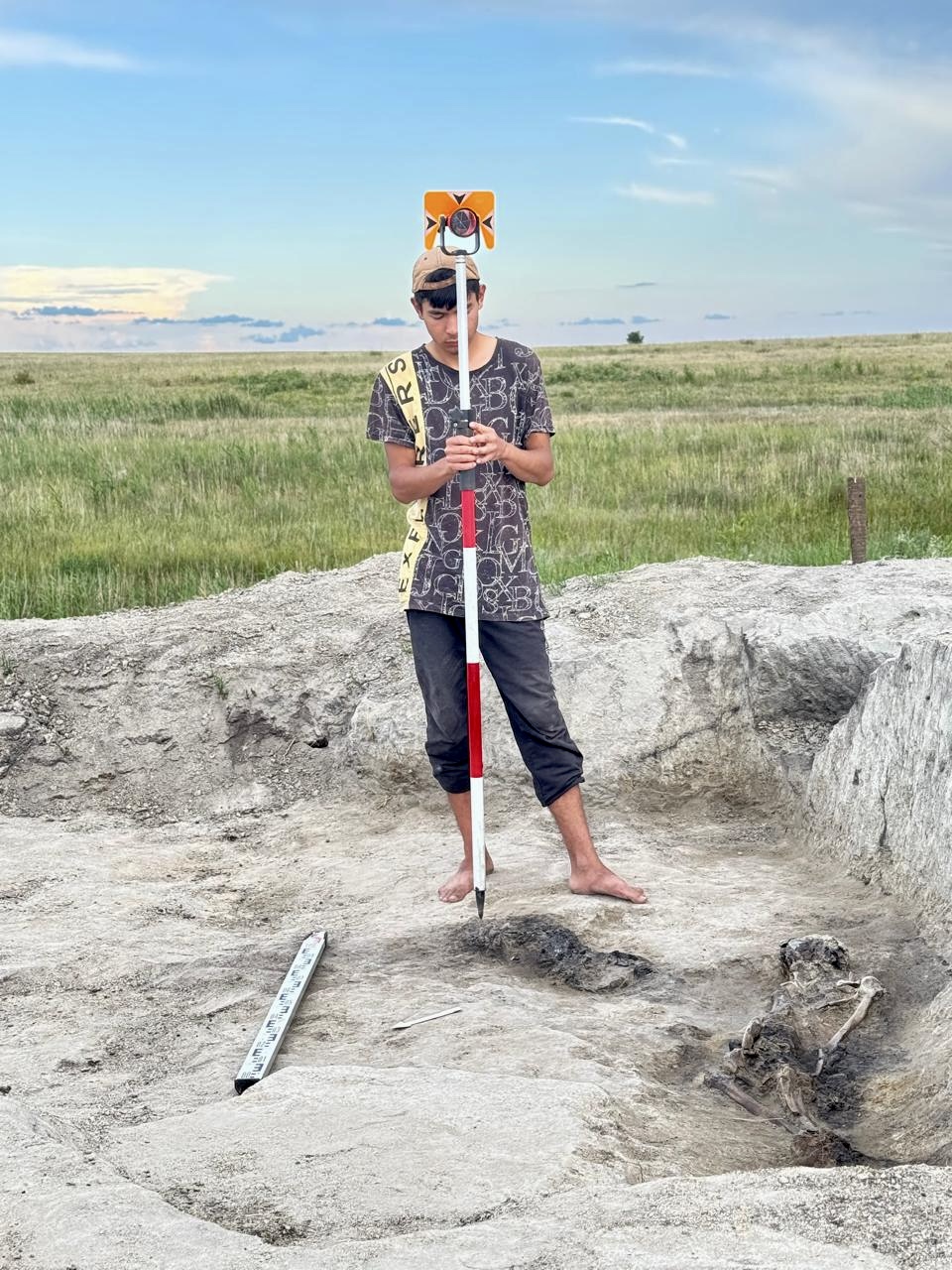
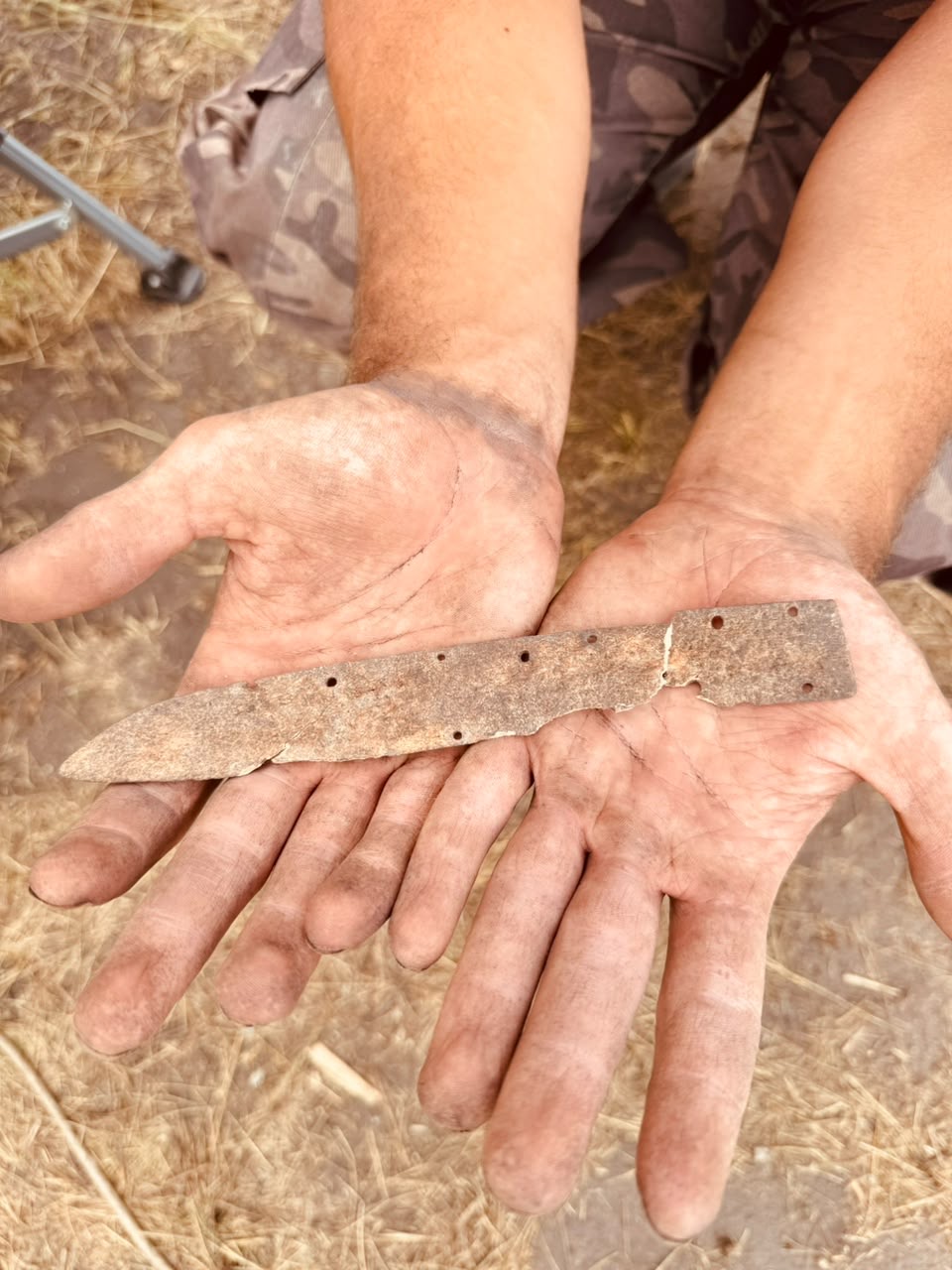
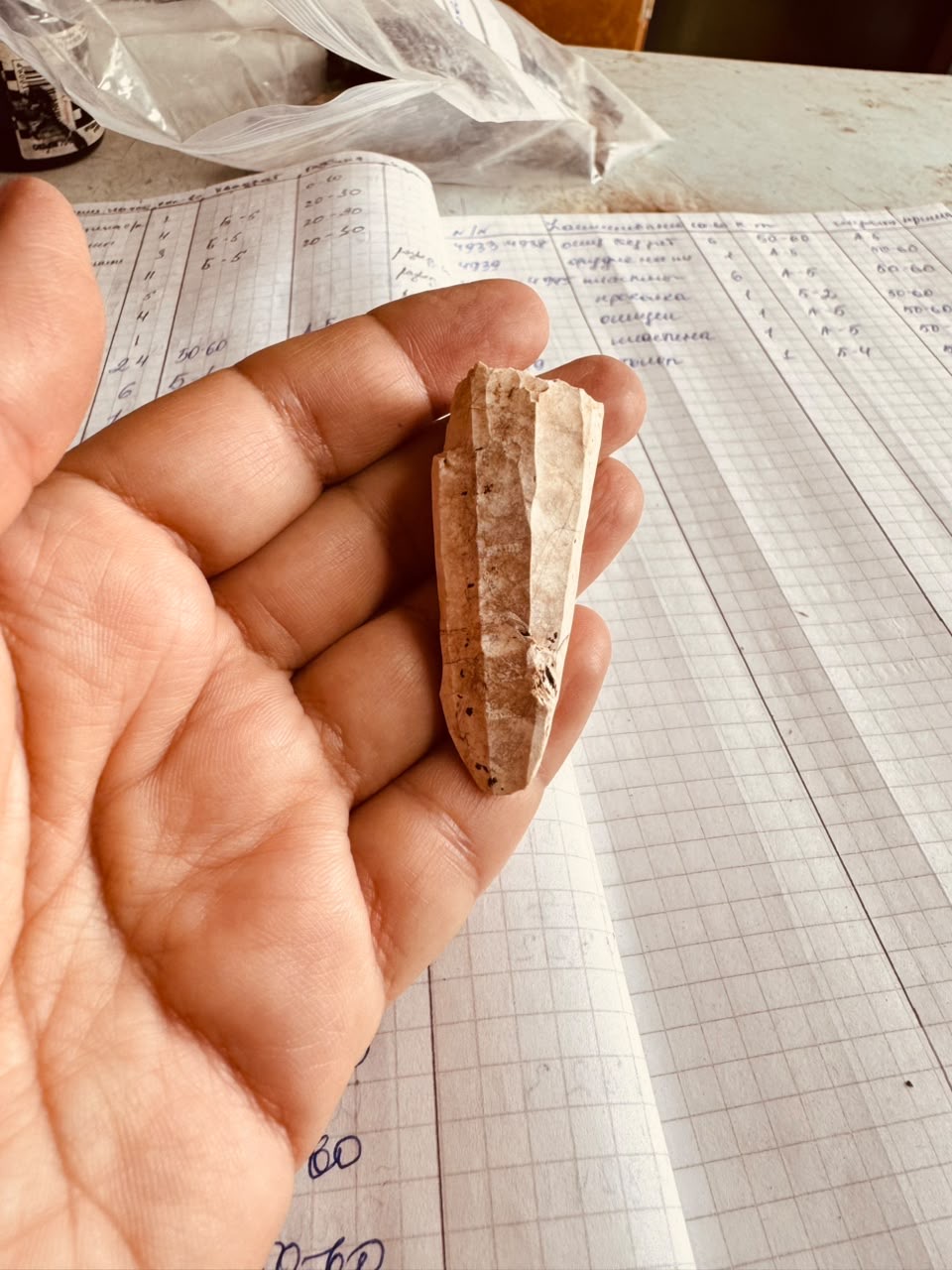
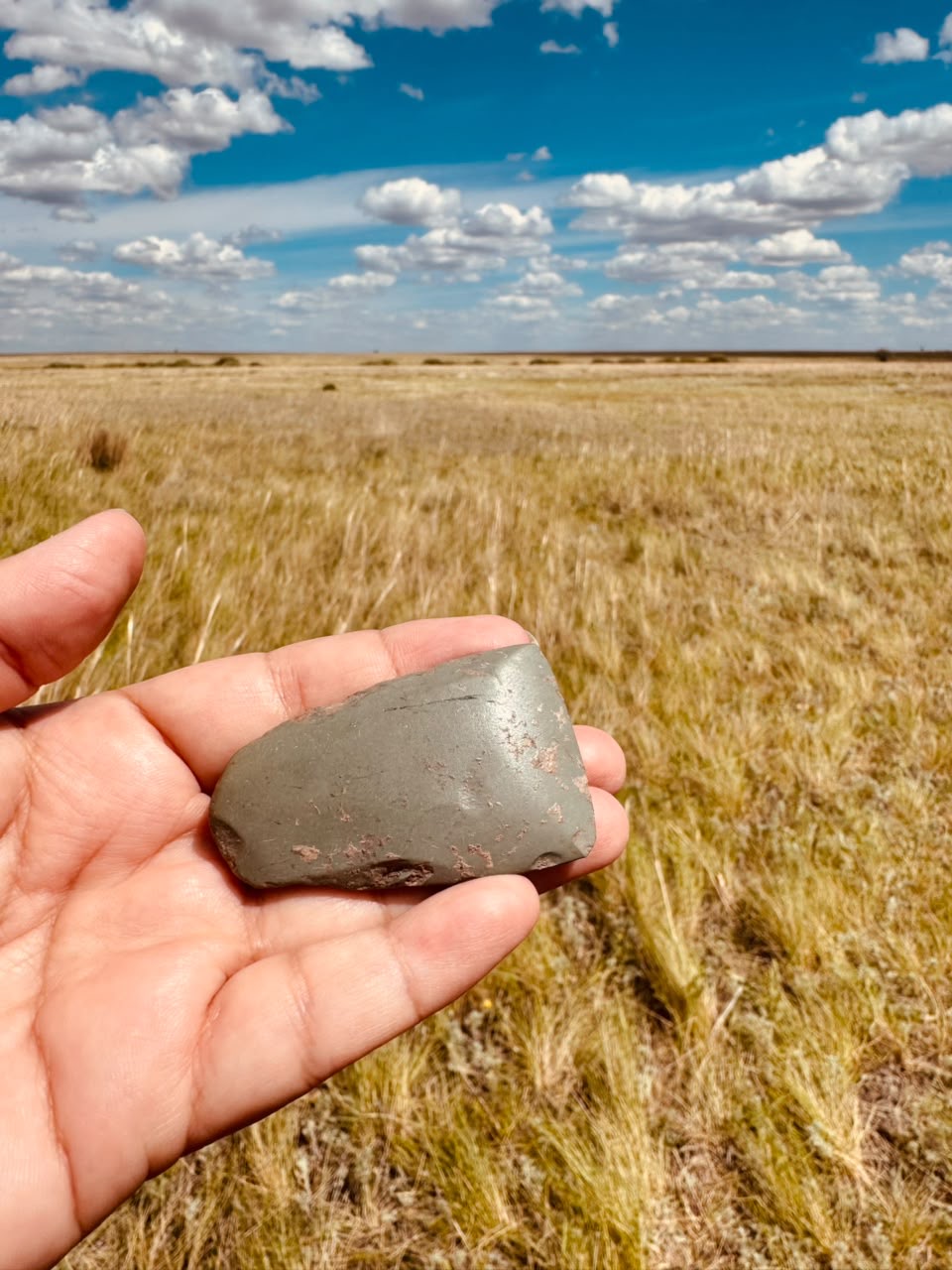
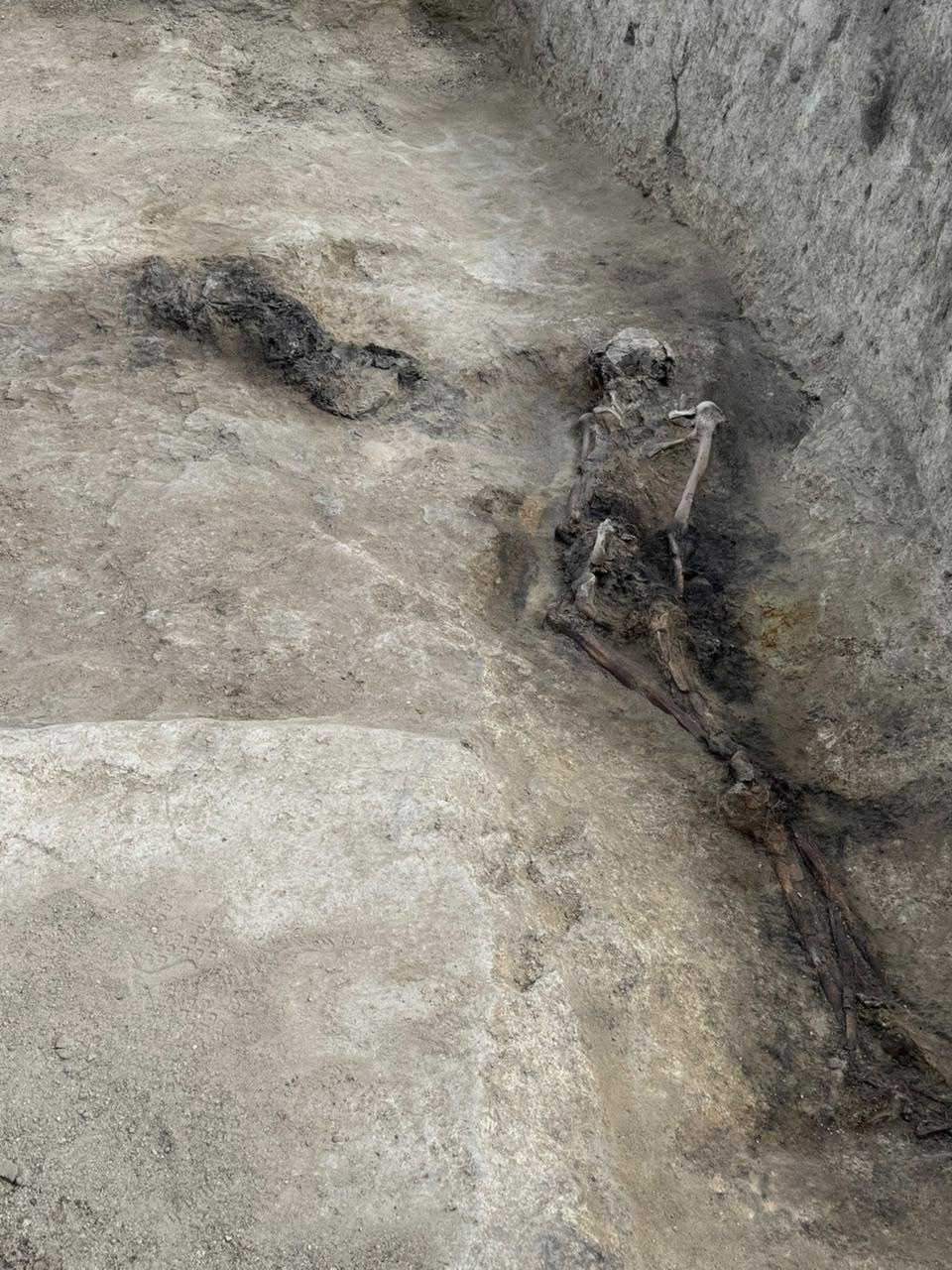
The most remarkable discovery made by the expedition was the burial of a child and two adults beneath the floors of ancient dwellings. According to Irina Shevnina, Senior Researcher at the Archaeological Laboratory and Principal Investigator of the research grant, finds of this kind are extremely rare:
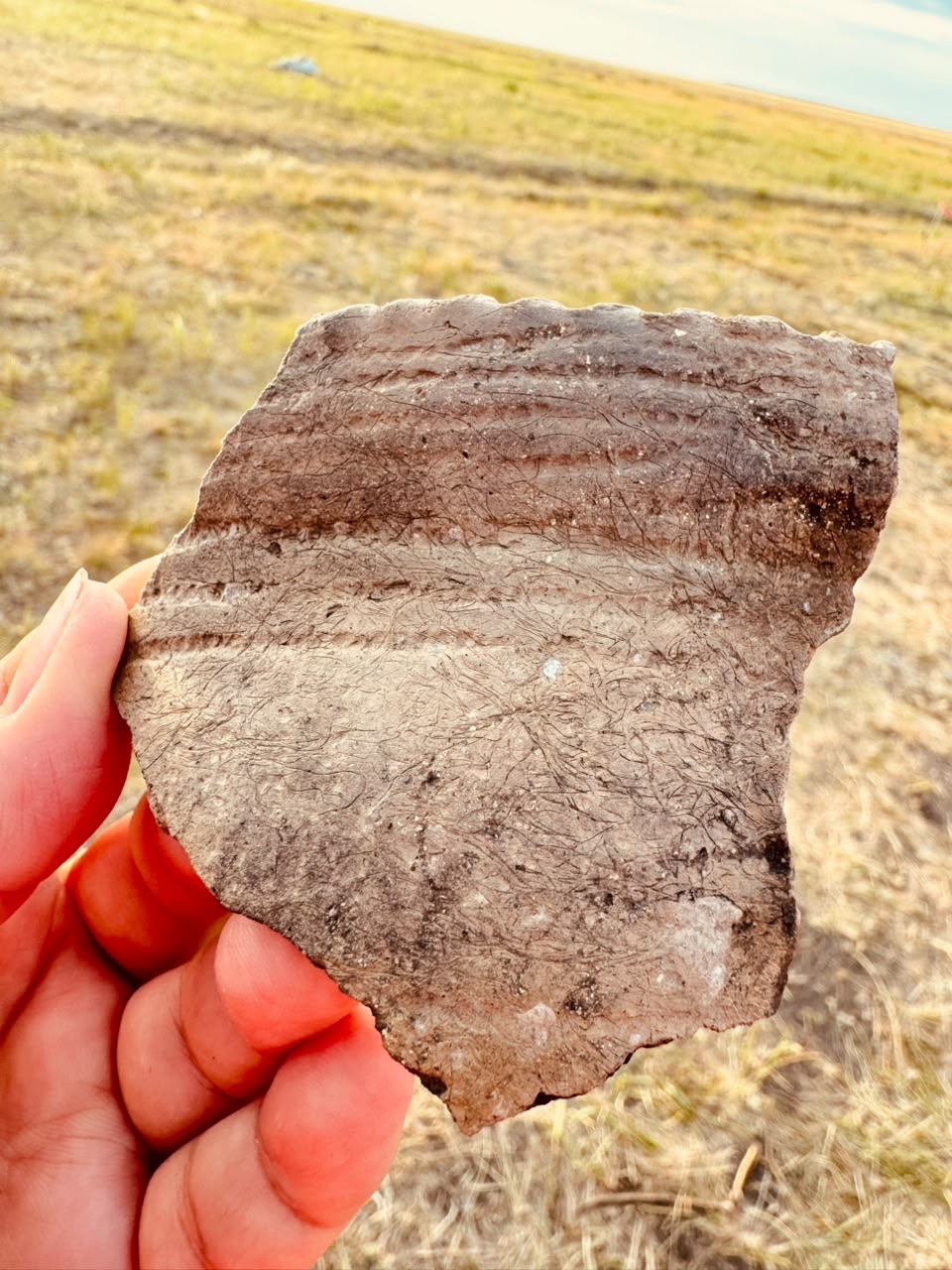
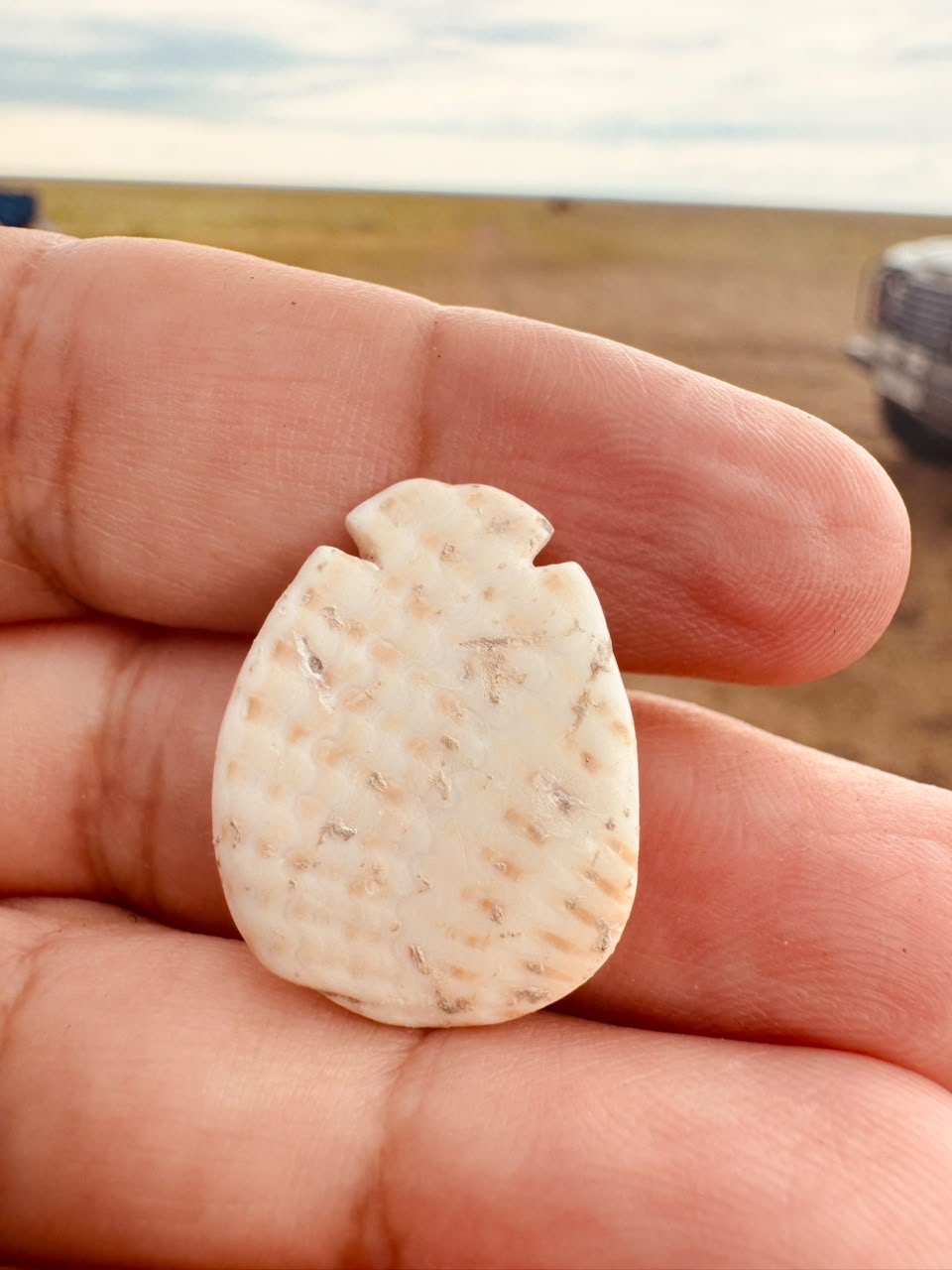
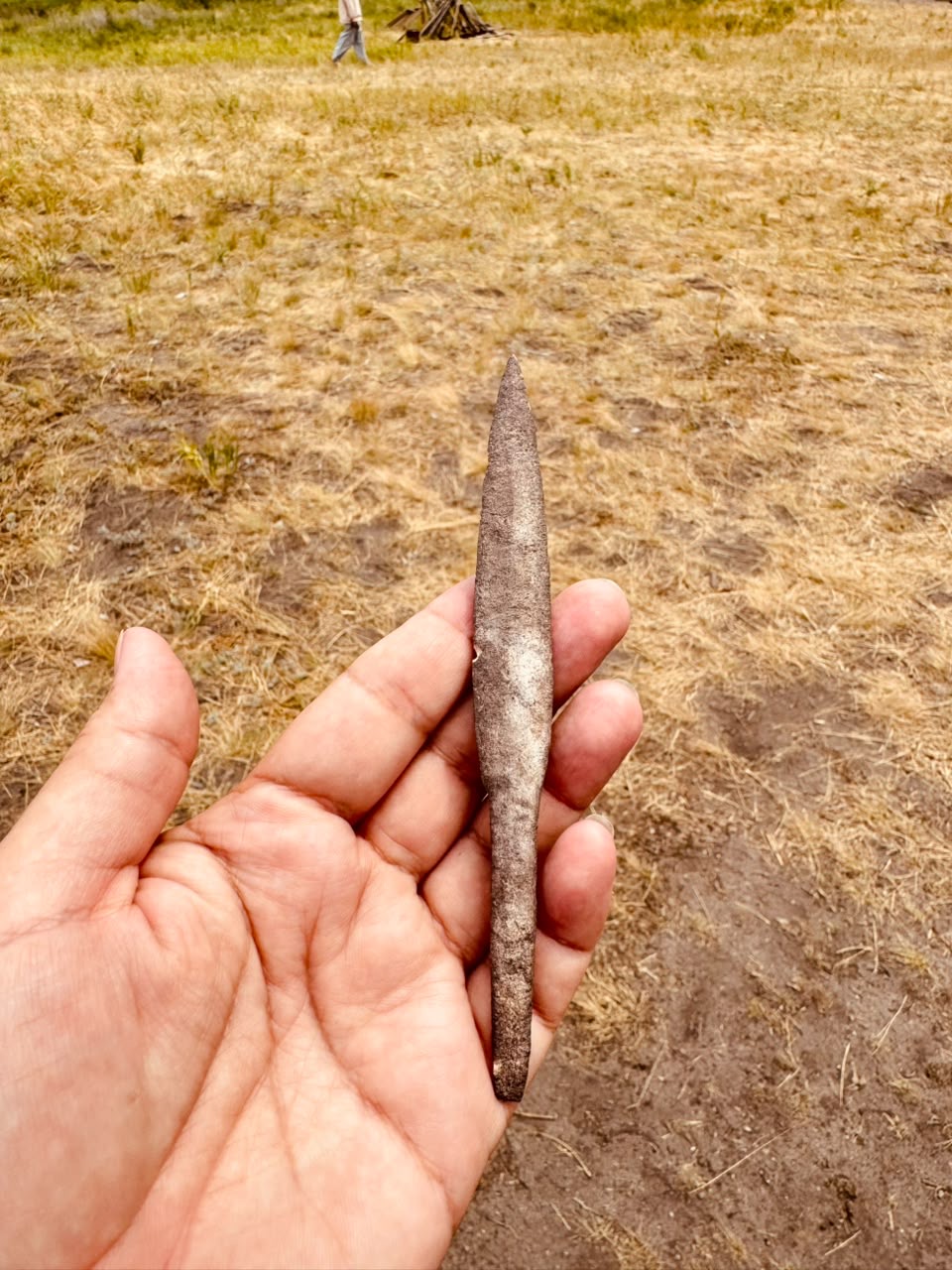
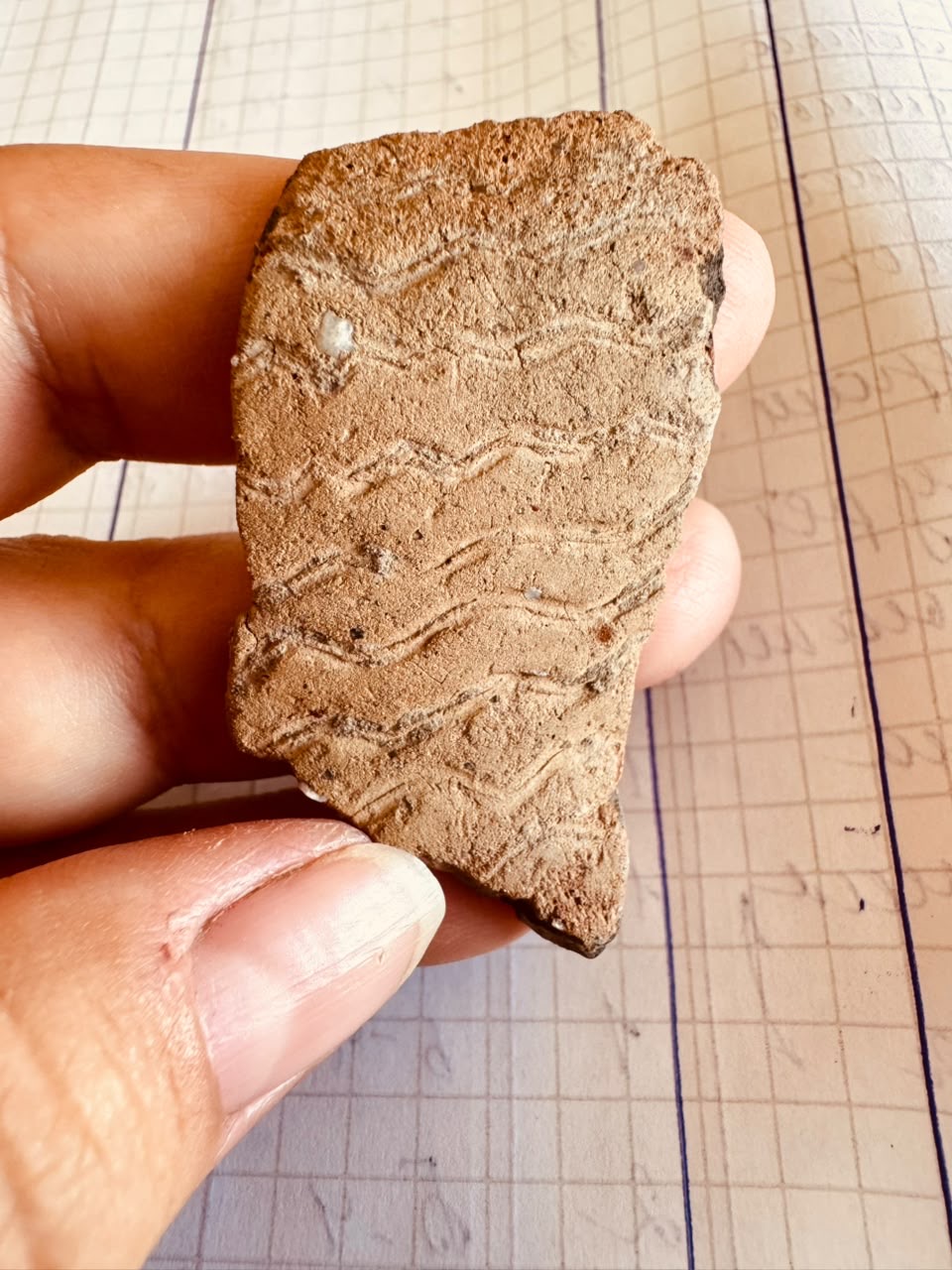
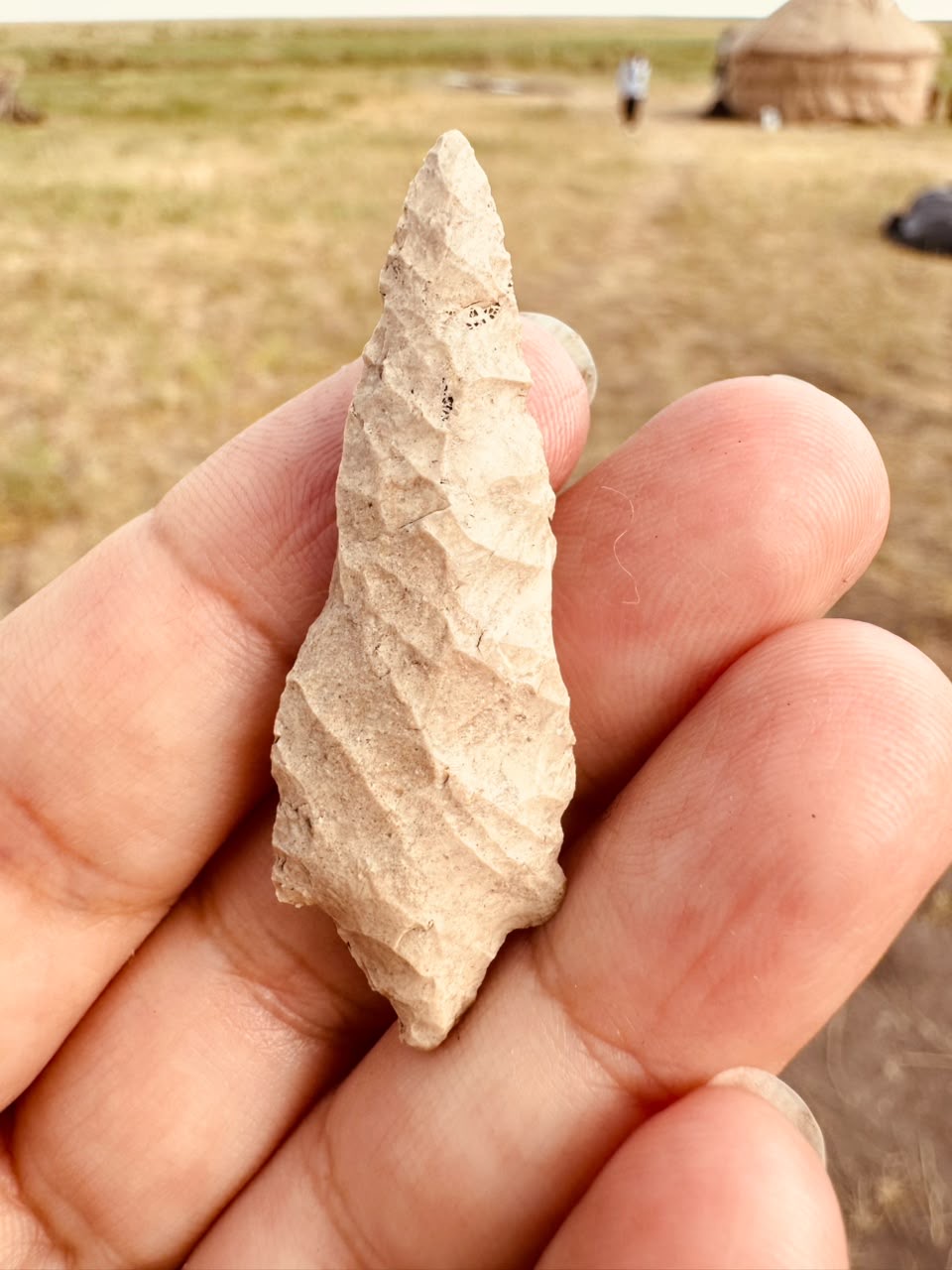
“We are studying archaeological sites associated with the Neolithic Mahanjar culture. Excavations usually reveal stone and bone tools, pottery fragments, and ornaments. This time, however, we discovered three burials located directly beneath the floors of ancient dwellings. Such finds are of exceptional scientific value,” the researcher noted.
According to the researchers, Stone Age burials are extremely rare not only in the Kostanay Region but throughout Kazakhstan. At this stage, specialists are confident that the discovered burials date to the Neolithic period.
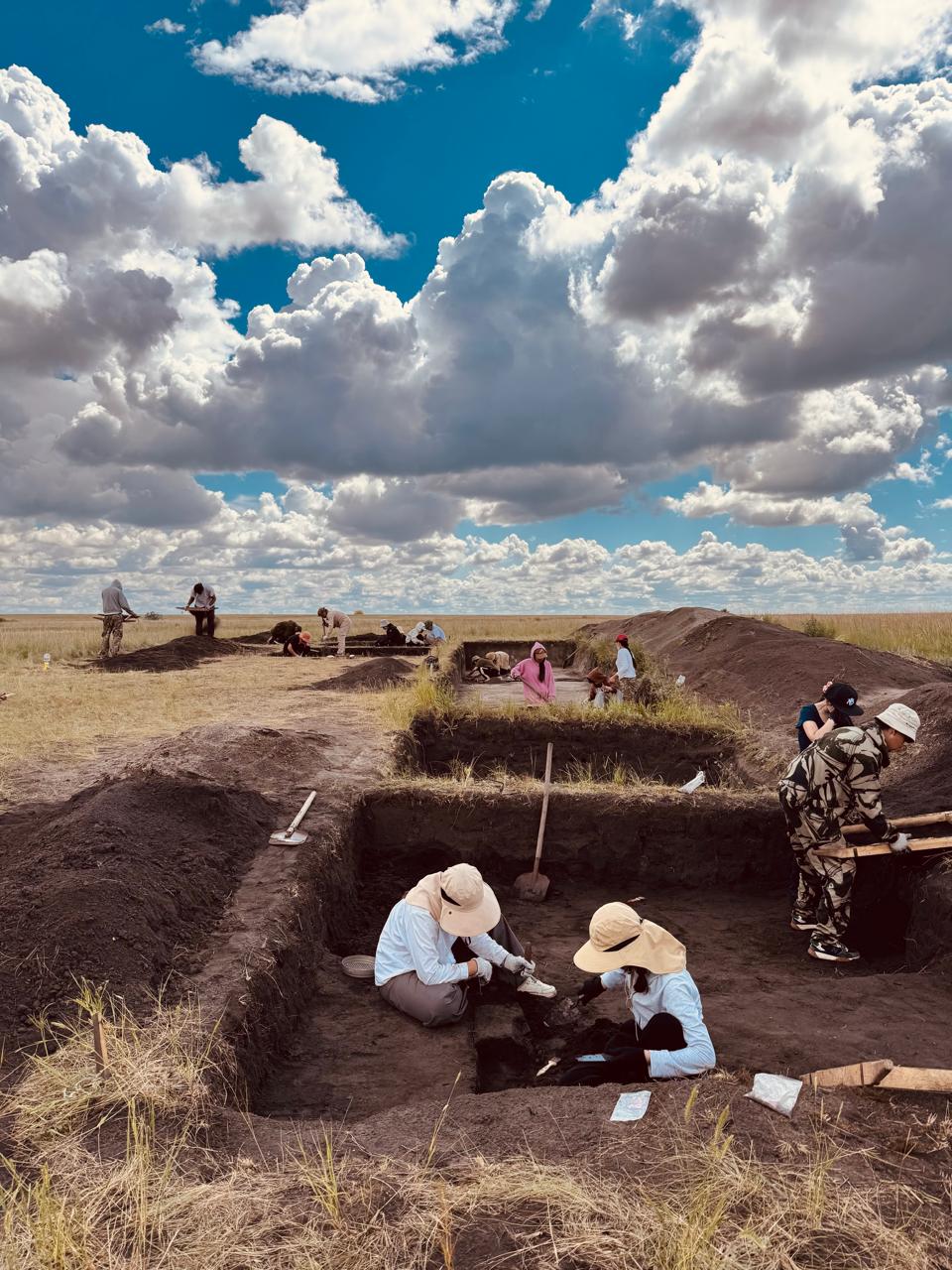
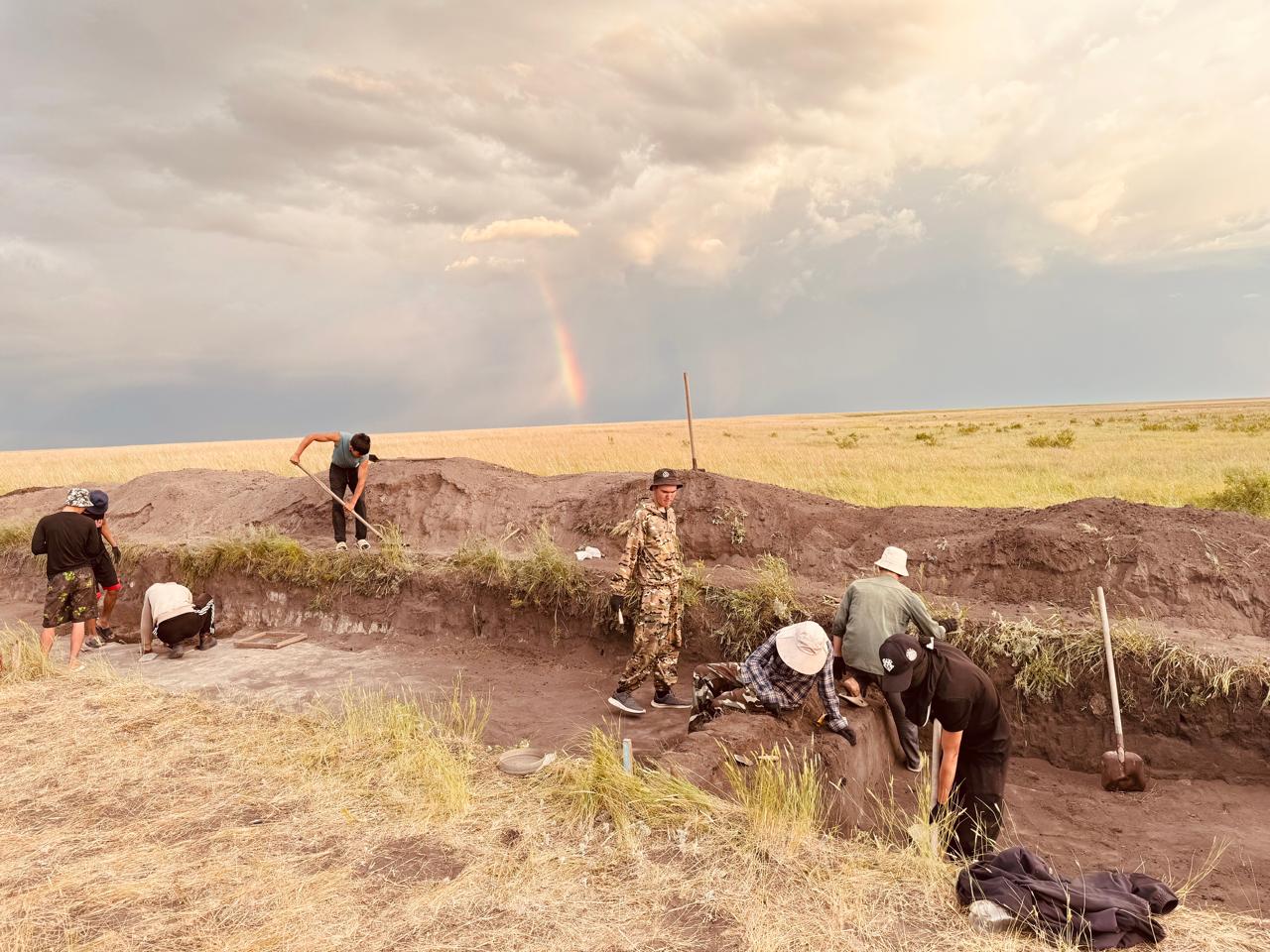
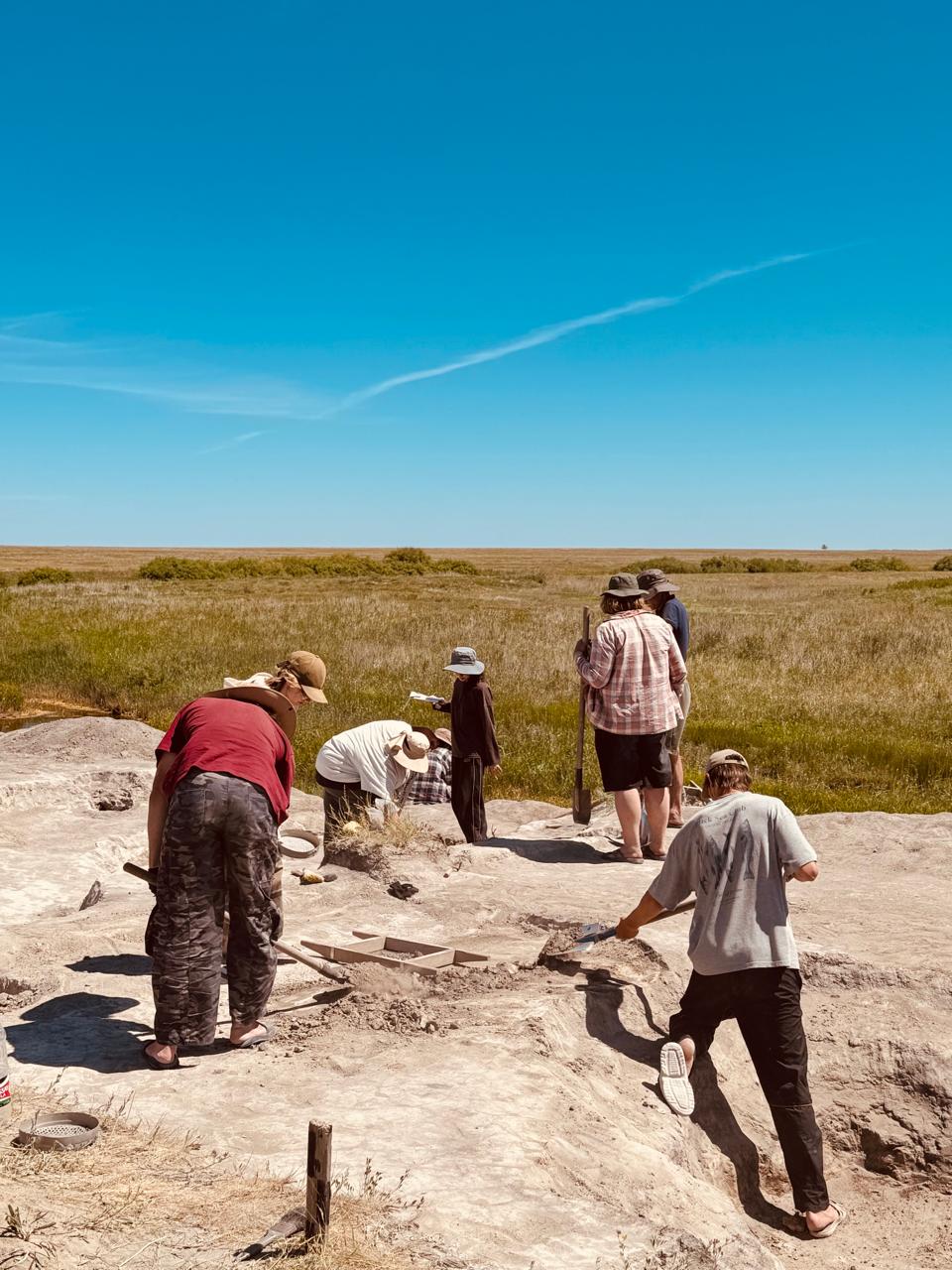
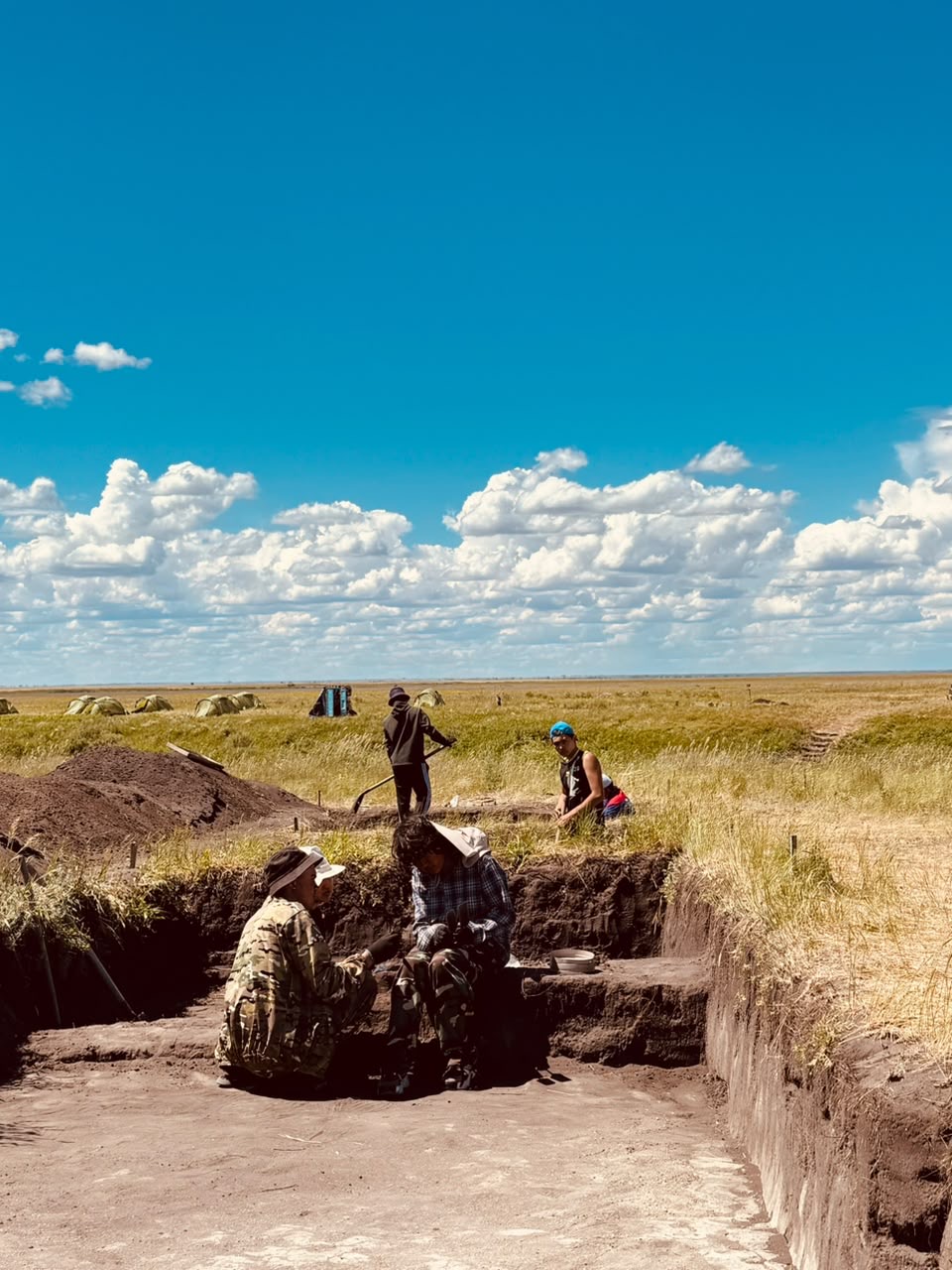
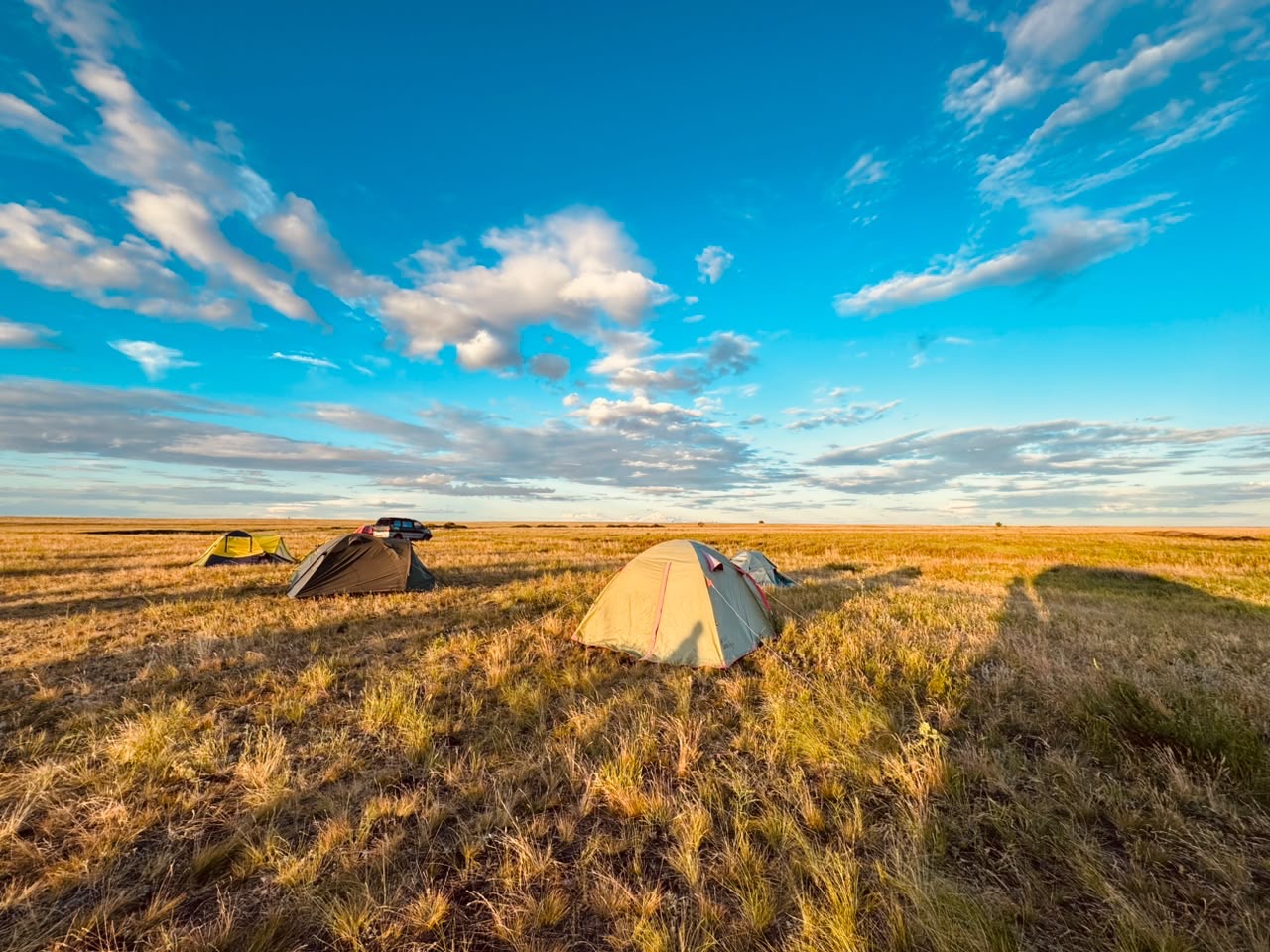
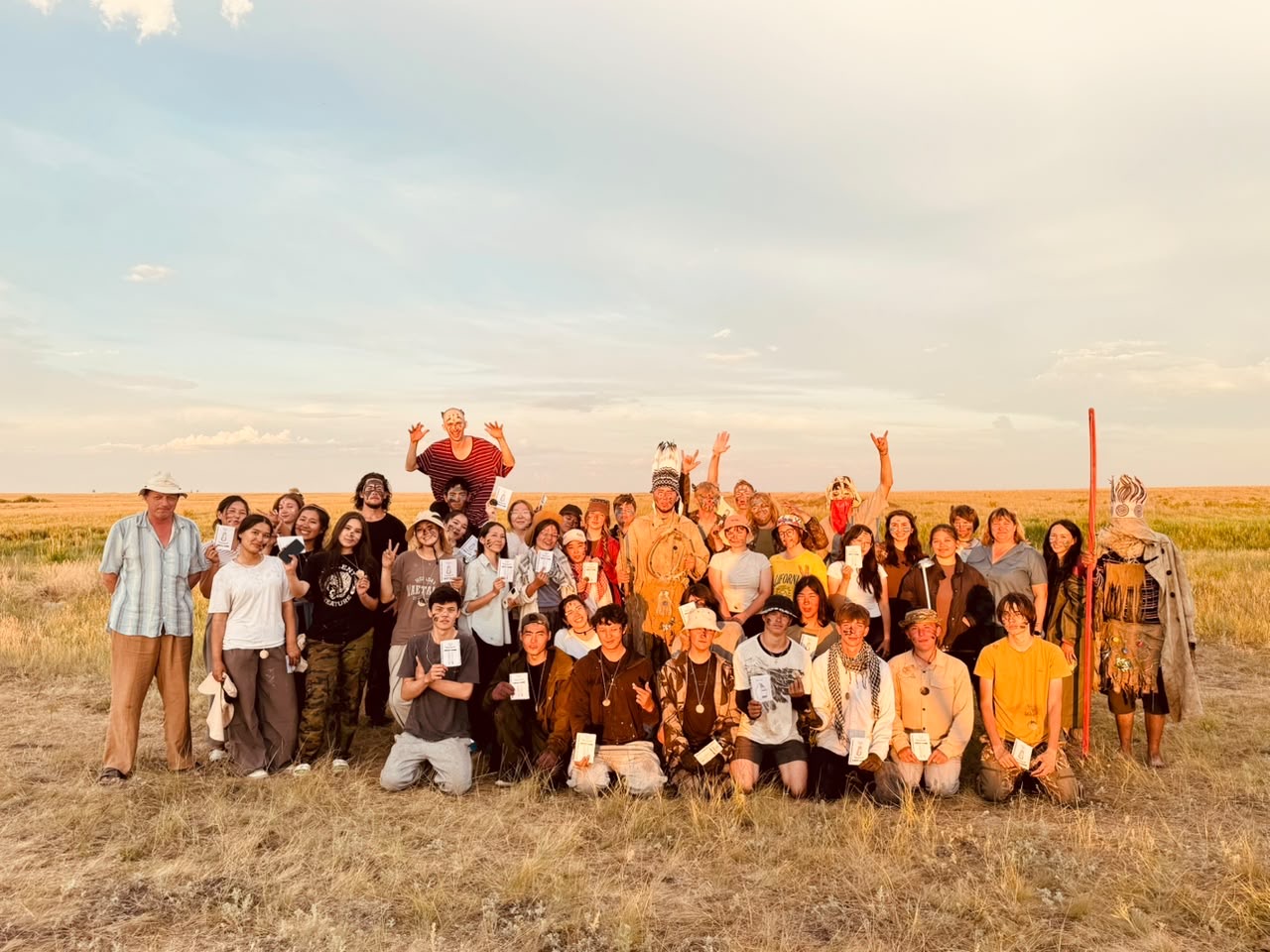
The discovery was made by the Turgai Archaeological Expedition of Akhmet Baitursynuly Kostanay Regional University, which is conducting fieldwork at three archaeological sites in the Auliekol District this season: Shili, Sulukol, and Buruktal. The expedition is headed by Andrey Logvin, Head of the Archaeological Laboratory. The research is being carried out under a scientific grant from the Ministry of Science and Higher Education of the Republic of Kazakhstan, with the participation of Archaeological Laboratory researchers, history students, and volunteers.
Another important outcome of the expedition is the study of ancient dwellings associated with the Mahanjar culture. While archaeologists had previously studied primarily sites used by prehistoric communities, semi-subterranean dwellings belonging to this culture have been identified at the Shili site for the first time. It was beneath the floors of these dwellings that the unique burials were discovered.
Similar burial practices were characteristic of several ancient cultures in neighboring regions, including Central Asia, where the deceased were sometimes buried directly beneath the floors of dwellings. The discovery may therefore provide researchers with valuable new insights into the everyday life, beliefs, and funerary practices of the ancient populations of the steppe.
Research is ongoing. The next stages will include anthropological examination of the remains, radiocarbon dating, and comprehensive laboratory analyses. The results will help establish a more precise date for the discoveries and provide new scientific evidence about the people who inhabited the territory of present-day Kostanay Region thousands of years ago.
The discovery further demonstrates the strong research potential of Akhmet Baitursynuly Kostanay Regional University and the significant contribution of its researchers to the study of Kazakhstan’s ancient past.