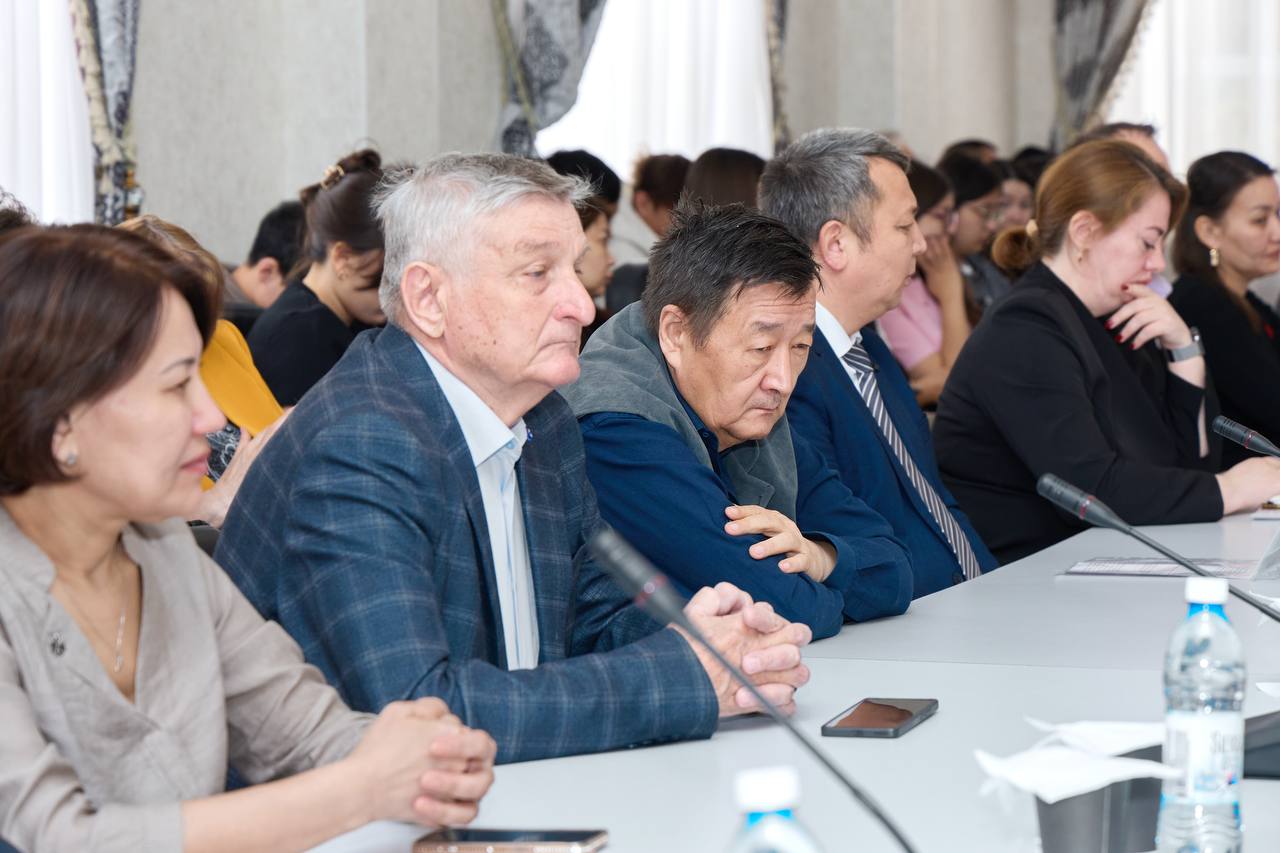
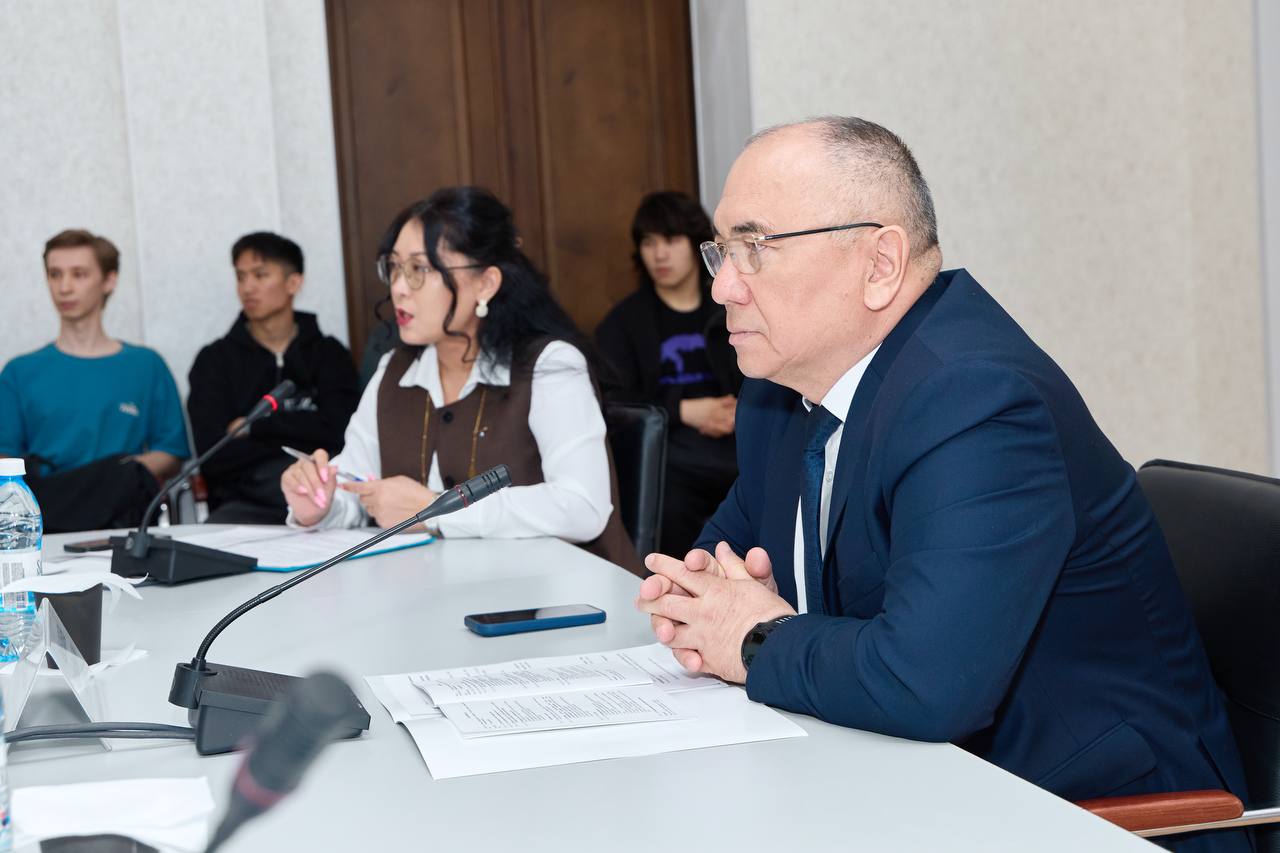
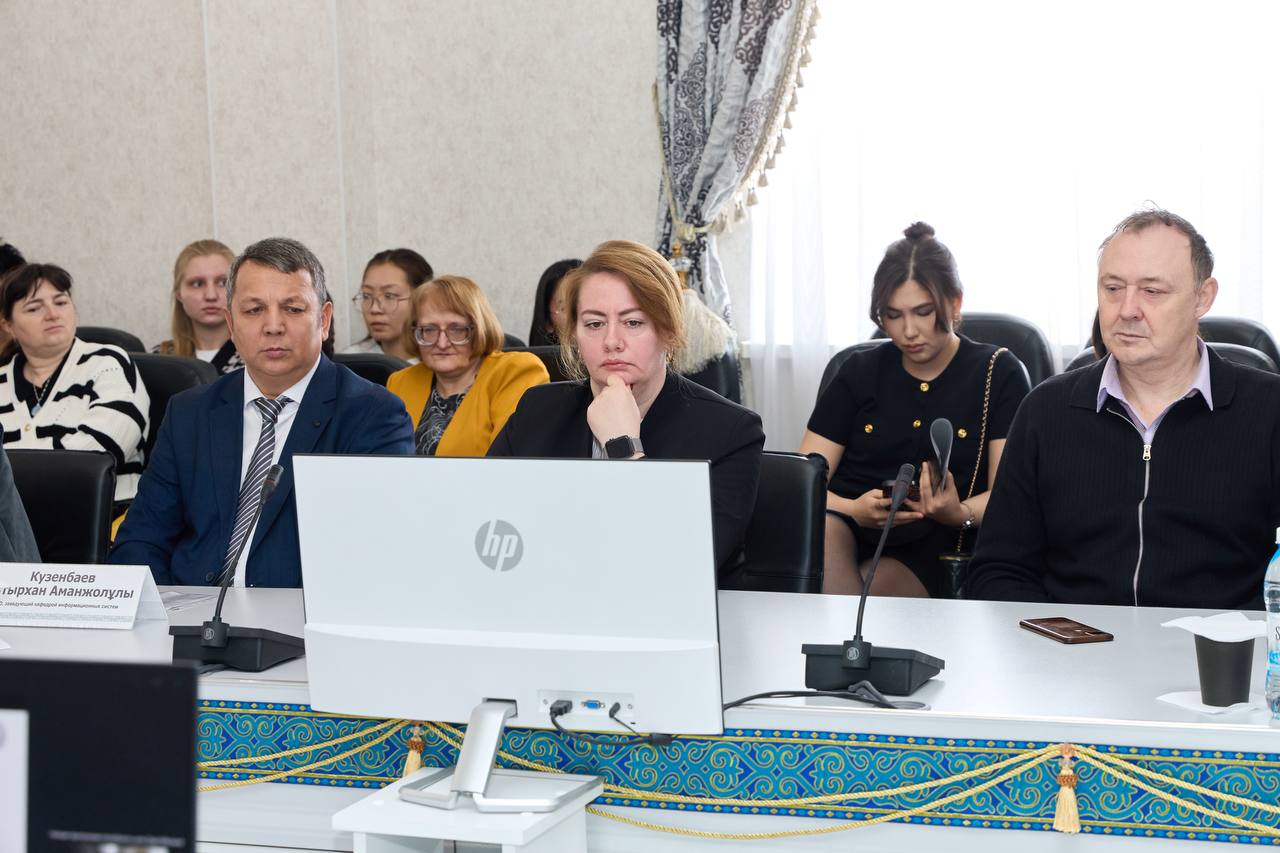
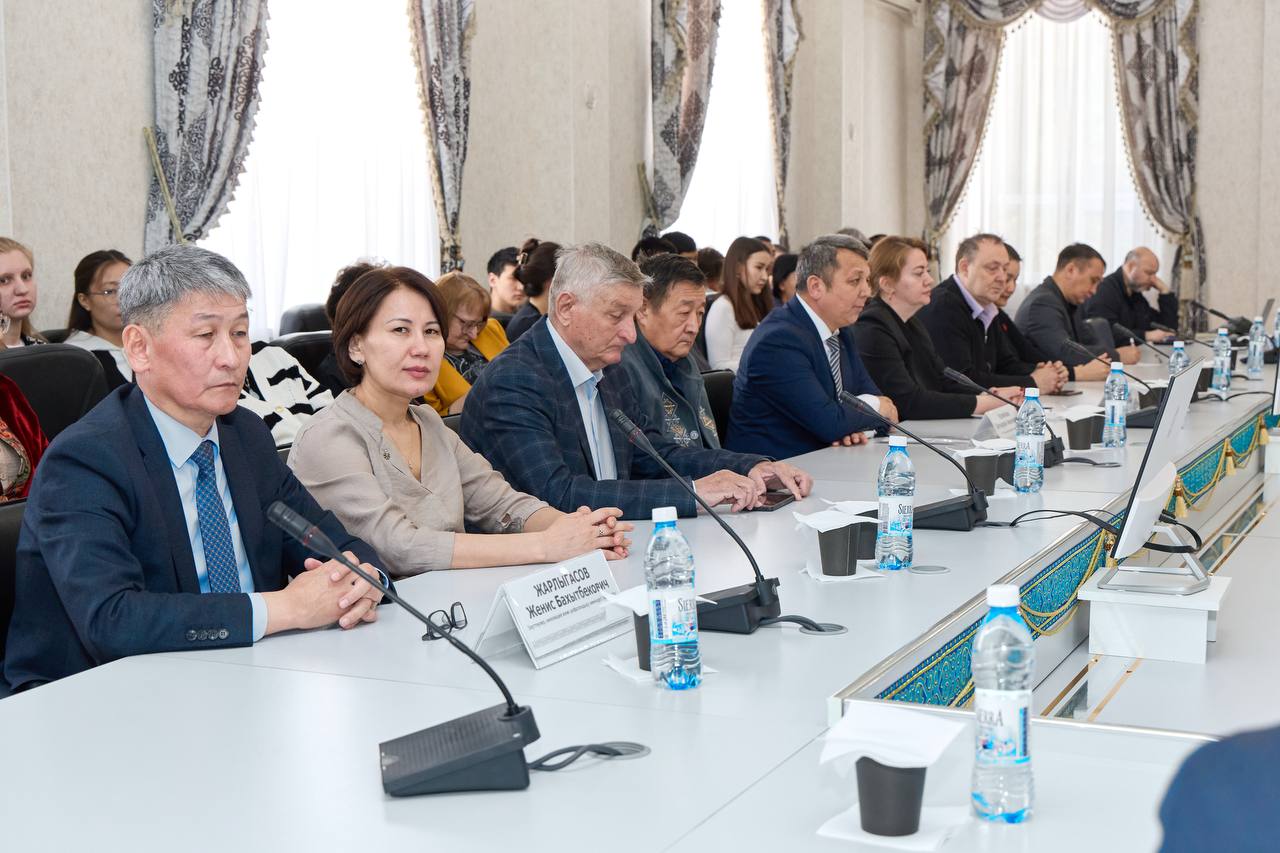
This year’s theme was “The Digital Ecosystem of the Future: Integration of Artificial Intelligence and Human Capital in Education, Science, and Industry.”
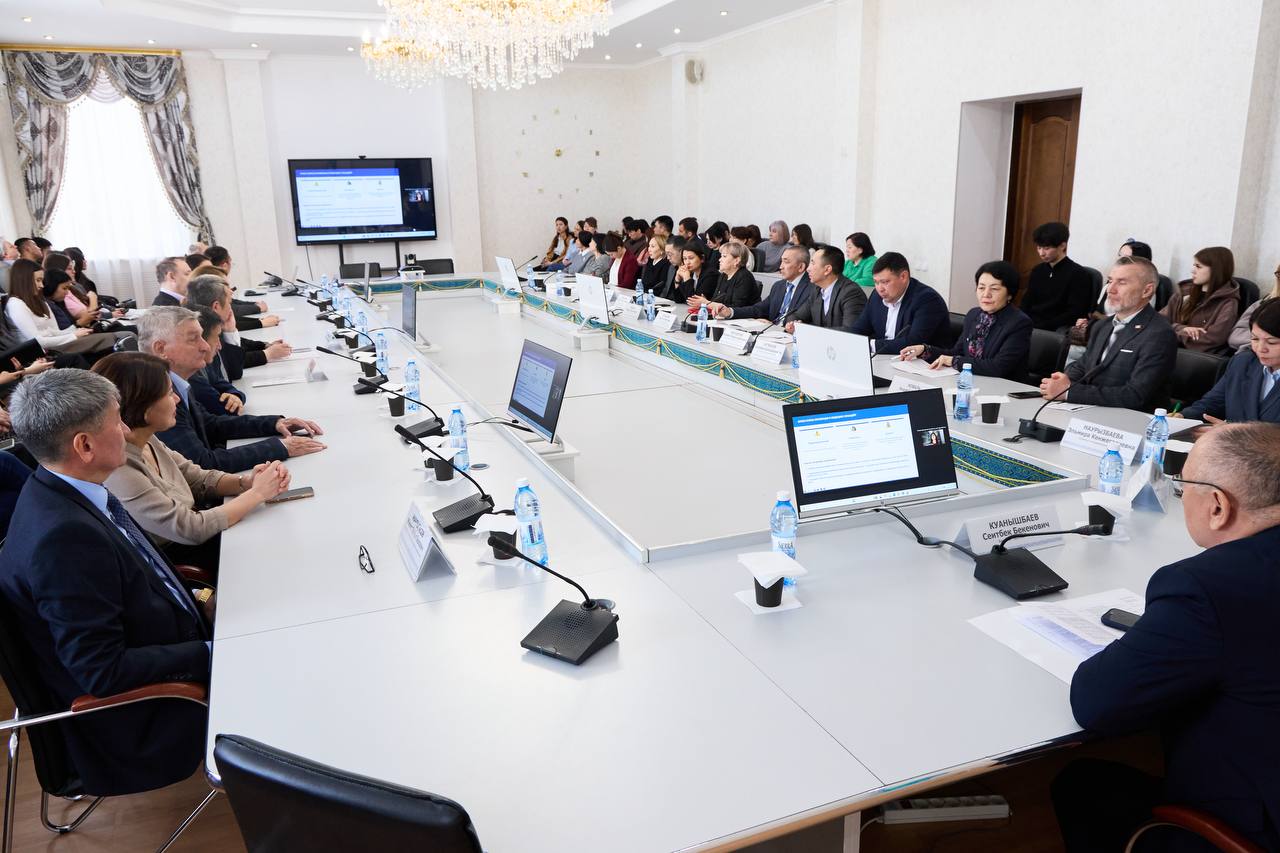
The event brought together scholars, faculty members, and students to discuss current trends and future prospects in the development of science and technology.
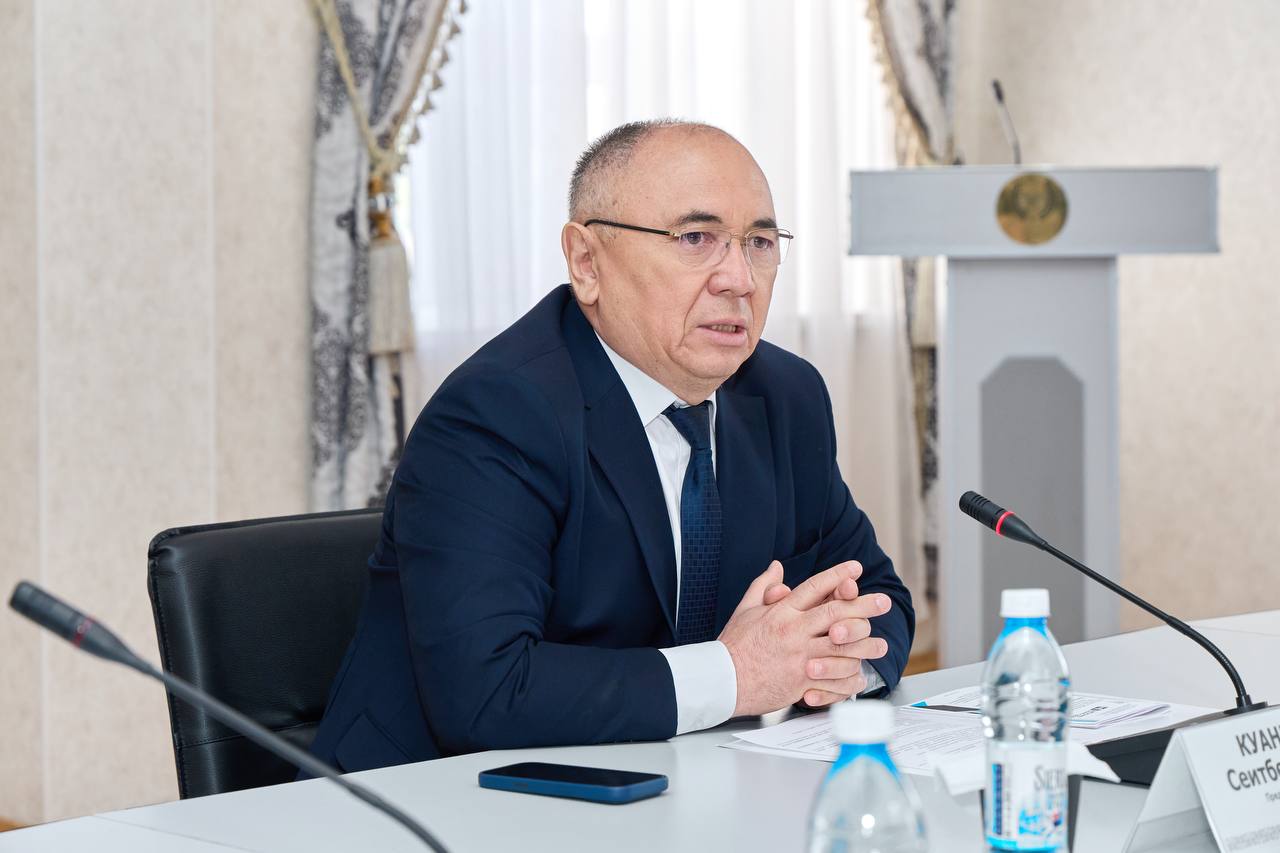
The Rector of KRU, Seitbek Kuanyshbayev, delivered a welcoming address to the participants.
In his speech, he emphasized that the university is now a leading scientific platform in the region, where education, research, and business are effectively integrated.
The commercialization of scientific developments opens up new opportunities not only for the university but also for researchers themselves.
The Rector also highlighted the importance of keeping pace with modern trends, particularly the active implementation of artificial intelligence technologies.
During the plenary session, presentations were delivered by both international and domestic experts, featuring insightful and relevant reports on the future of science and technology.
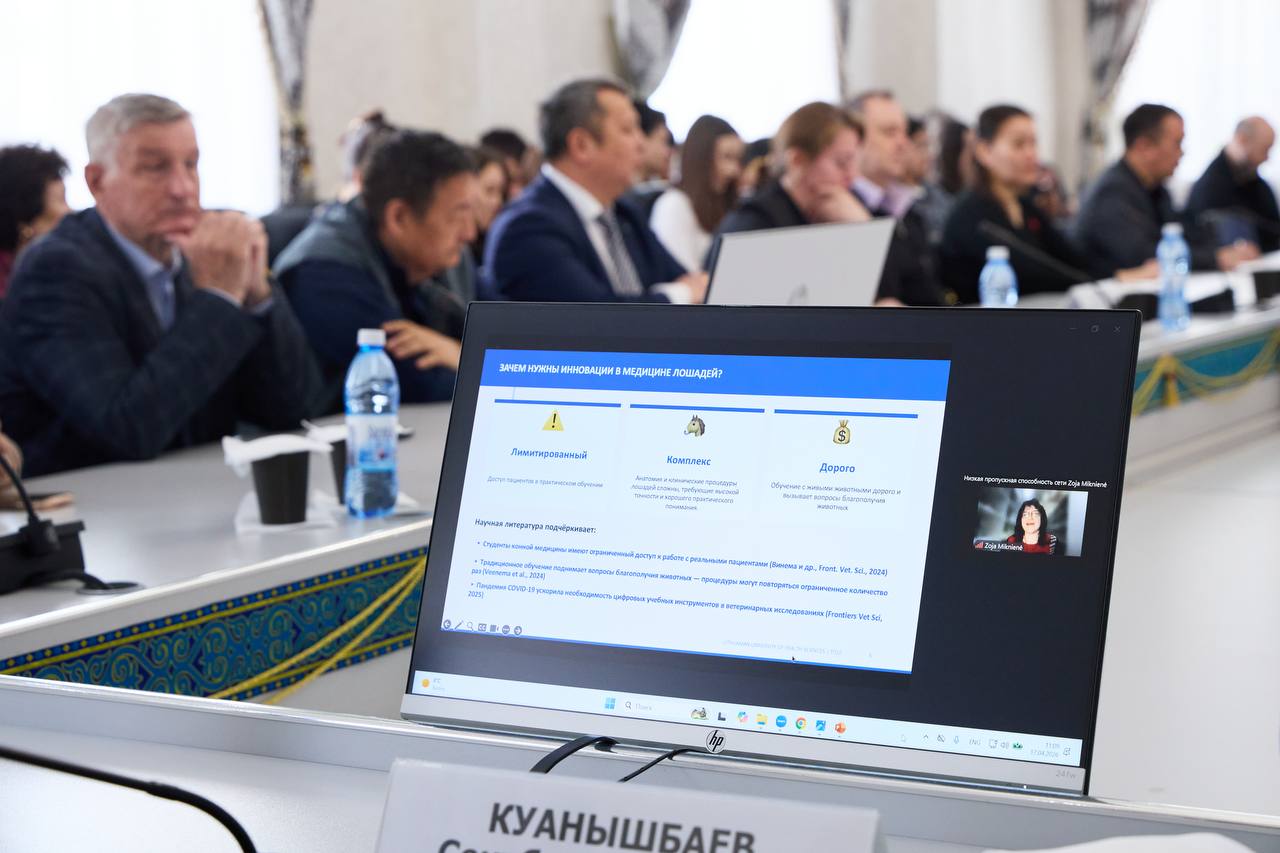
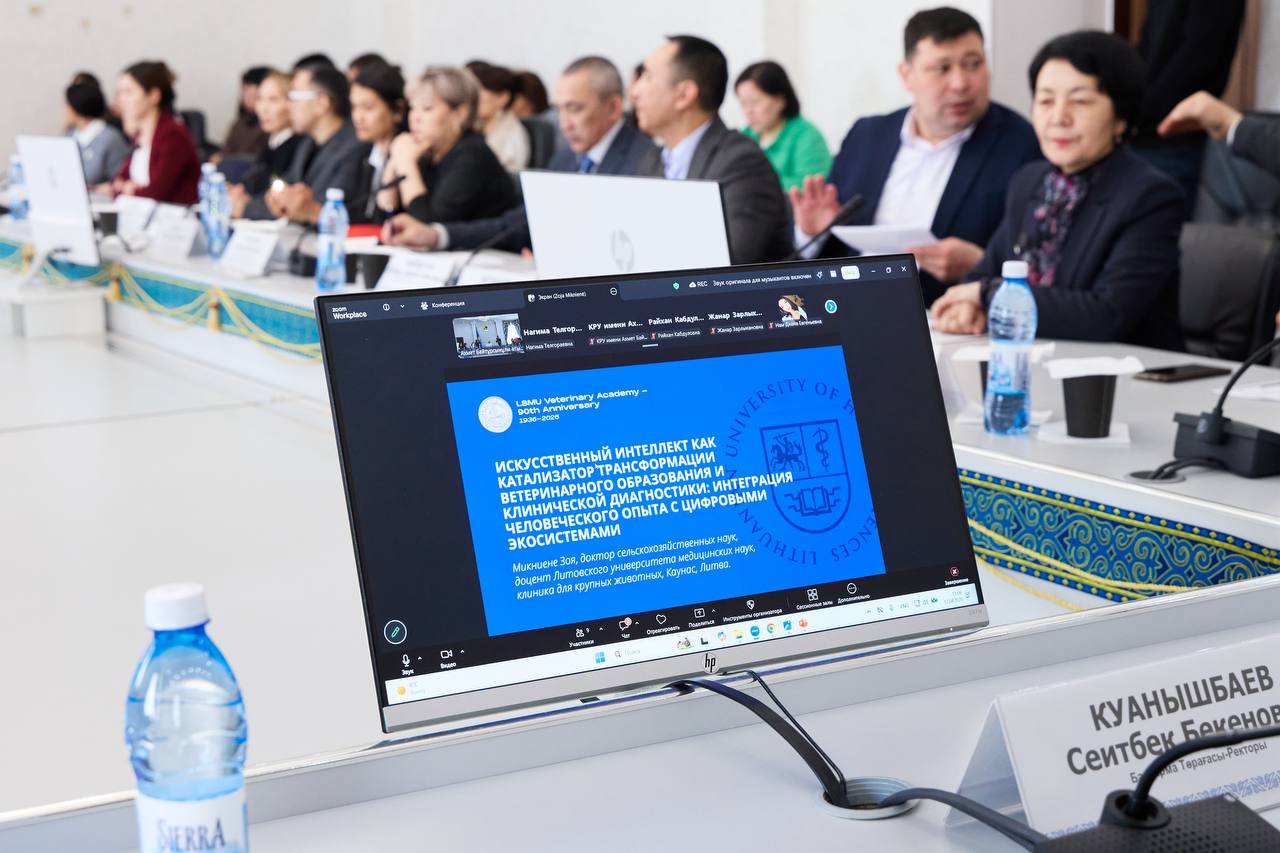
Zoya Mikniene, Doctor of Agricultural Sciences and Associate Professor at the Lithuanian University of Health Sciences, discussed how artificial intelligence is transforming veterinary education and supporting clinical diagnostics.
Diana Nam, PhD, a leading business applications support specialist at EPAM, and Senior Lecturer at Astana IT University and the Kazakh-British Technical University, presented the potential of generative AI in creating synthetic medical images, opening new horizons for education and healthcare.
Batyrkhan Kuzenbayev, Head of the Department of Information Systems at the Faculty of Mechanical Engineering, Energy and Information Technologies at KRU, explained why autonomous AI agents represent the next stage in the evolution of artificial intelligence and how they can operate without constant human involvement.
He also drew attention to potential risks associated with the use of artificial intelligence, including overreliance on supportive tools and the gradual loss of independent working skills.
Olga Bizhanova, Head of the Department of Software Engineering at the same faculty, shared the concept of digital twins of competencies—a model that enables the development and forecasting of professional skills using data.
As part of Science Week, additional events were also organized at the university.
Among them were a book exhibition organized by the Pedagogical Library, as well as an exhibition of grant-funded projects titled “The Great Son of the Kazakh Steppe – Akhmet Baitursynuly.”
A separate highlight was the panel session “Integration of Artificial Intelligence Technologies into the Media Environment and Communication Practice: Trends and Prospects,” organized by the Department of Journalism and Communication Management.