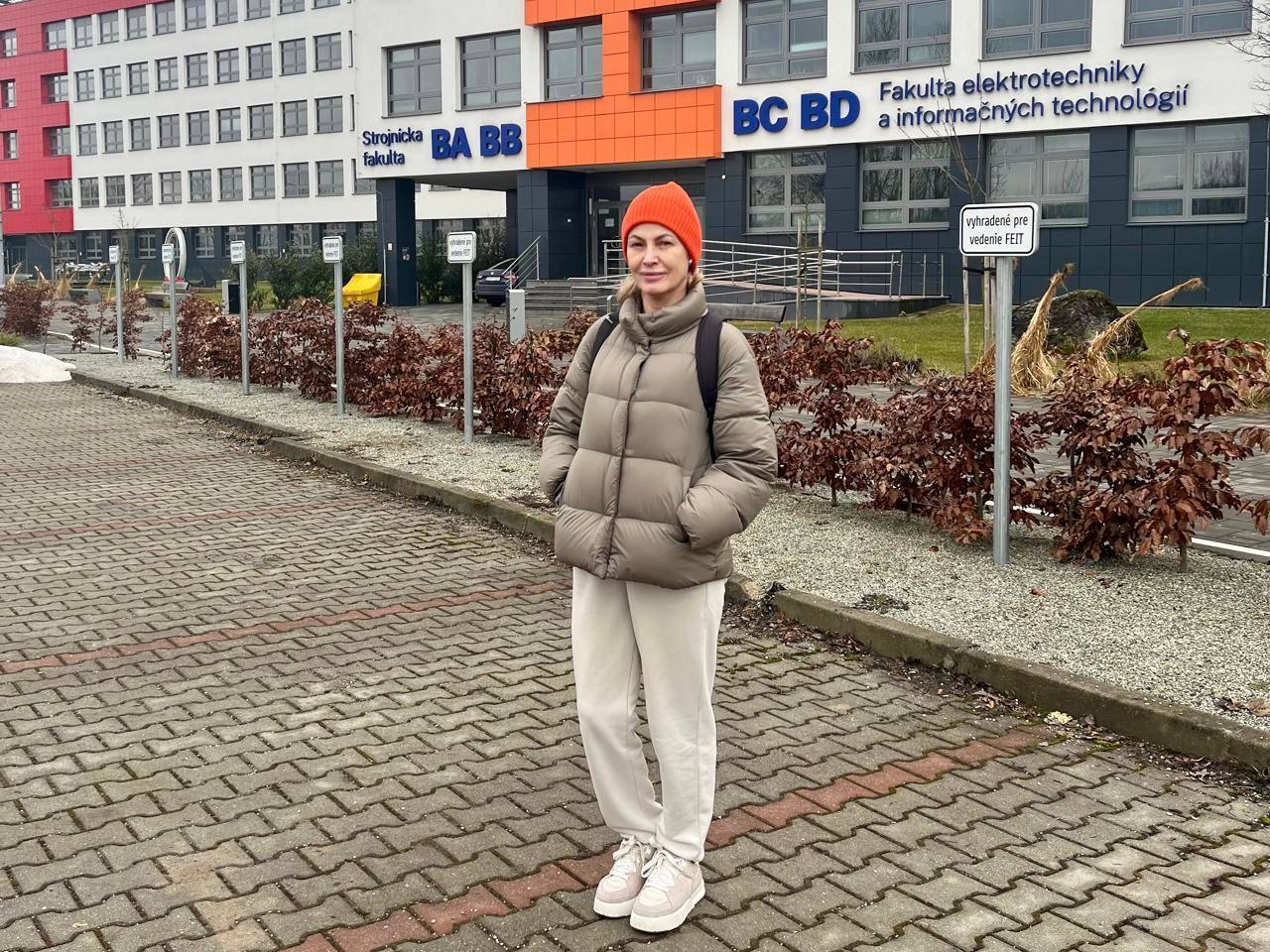
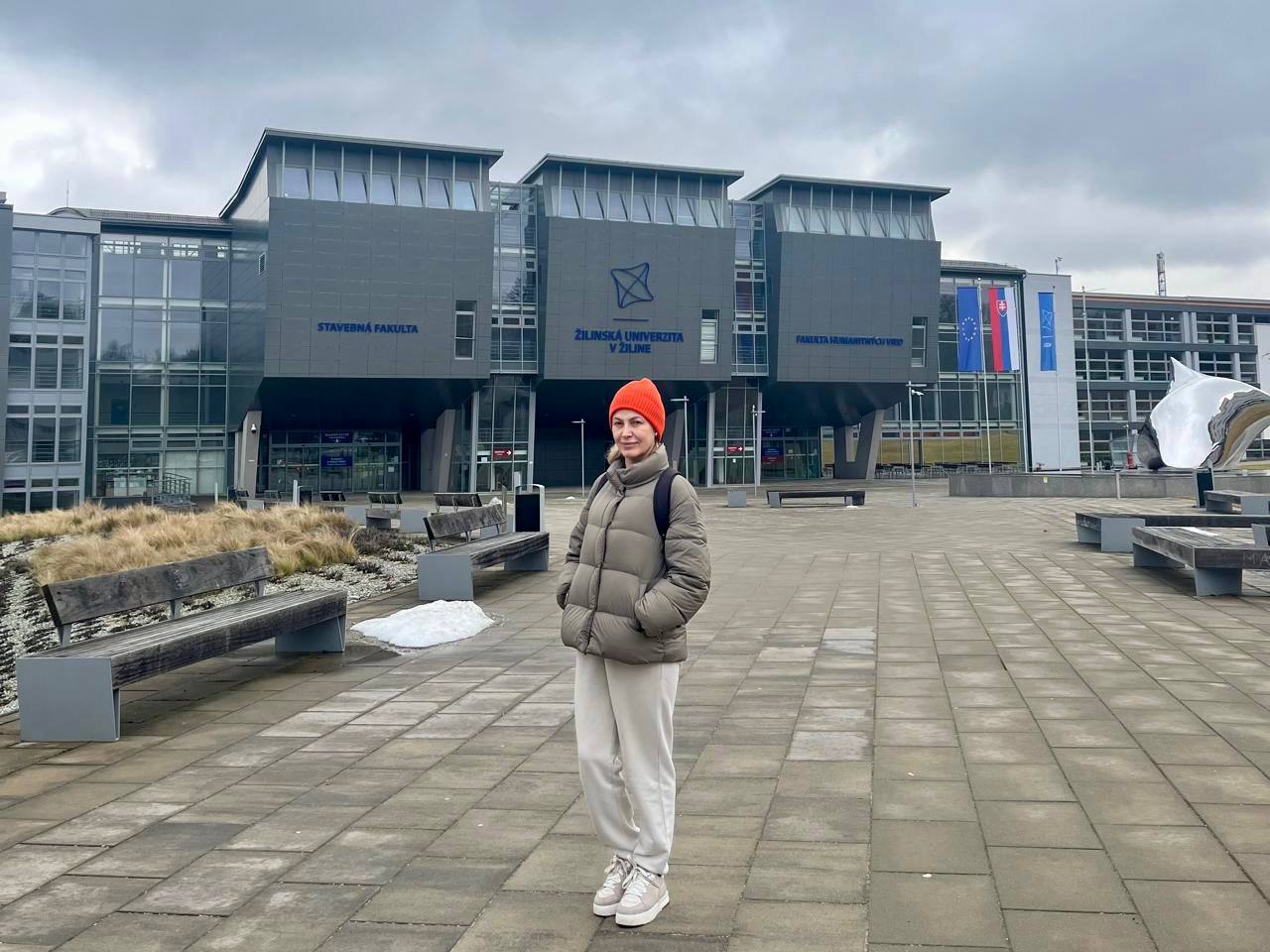
During her internship at the Faculty of Electrical Engineering and Information Technology, Svetlana Ibragimova worked on integrating power system analysis and modeling through COIL (Collaborative Online International Learning). The primary objective of the project is to develop a joint international course that will enable students from Kazakhstan and Slovakia to study together in a shared educational environment.
One of the key outcomes of the internship was the development of a new curriculum for the course “Electrical Networks and Systems,” which is planned to be introduced into the educational process at Baitursynuly University.
Future power engineers will be able to study modern methods of electrical network analysis, work with MATLAB, GNU Octave, and specialized simulation tools, and apply the Newton–Raphson and Gauss–Seidel methods, along with other algorithms currently used worldwide in the design and operation of power systems.
The internship also provided an opportunity to study European standards for power system development, the principles of Smart Grid technologies, and methods for calculating power losses, as well as to conduct a comparative analysis of the power systems of Kazakhstan and Slovakia. The findings will provide a foundation for further research and the modernization of the university’s educational programs.
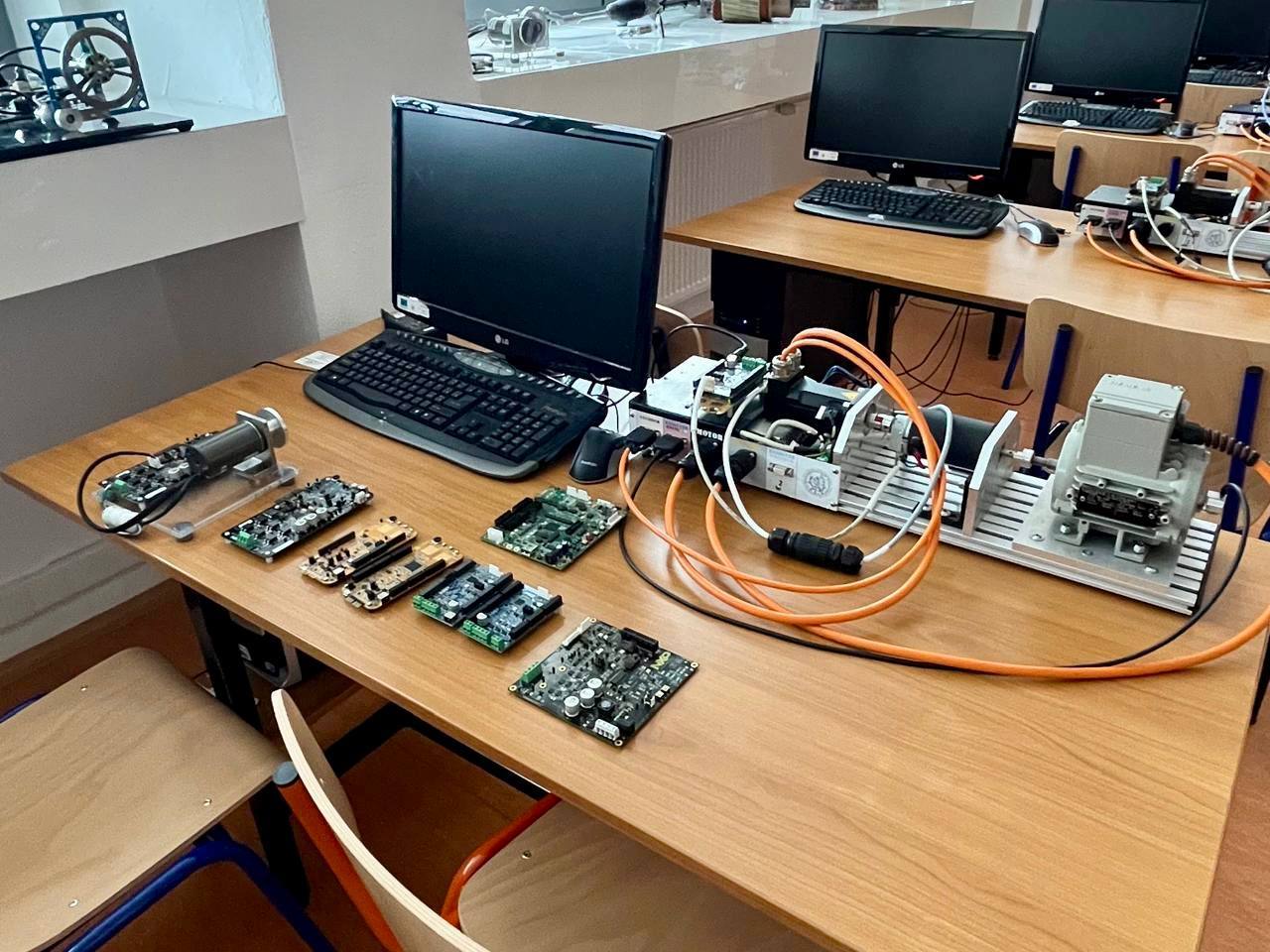
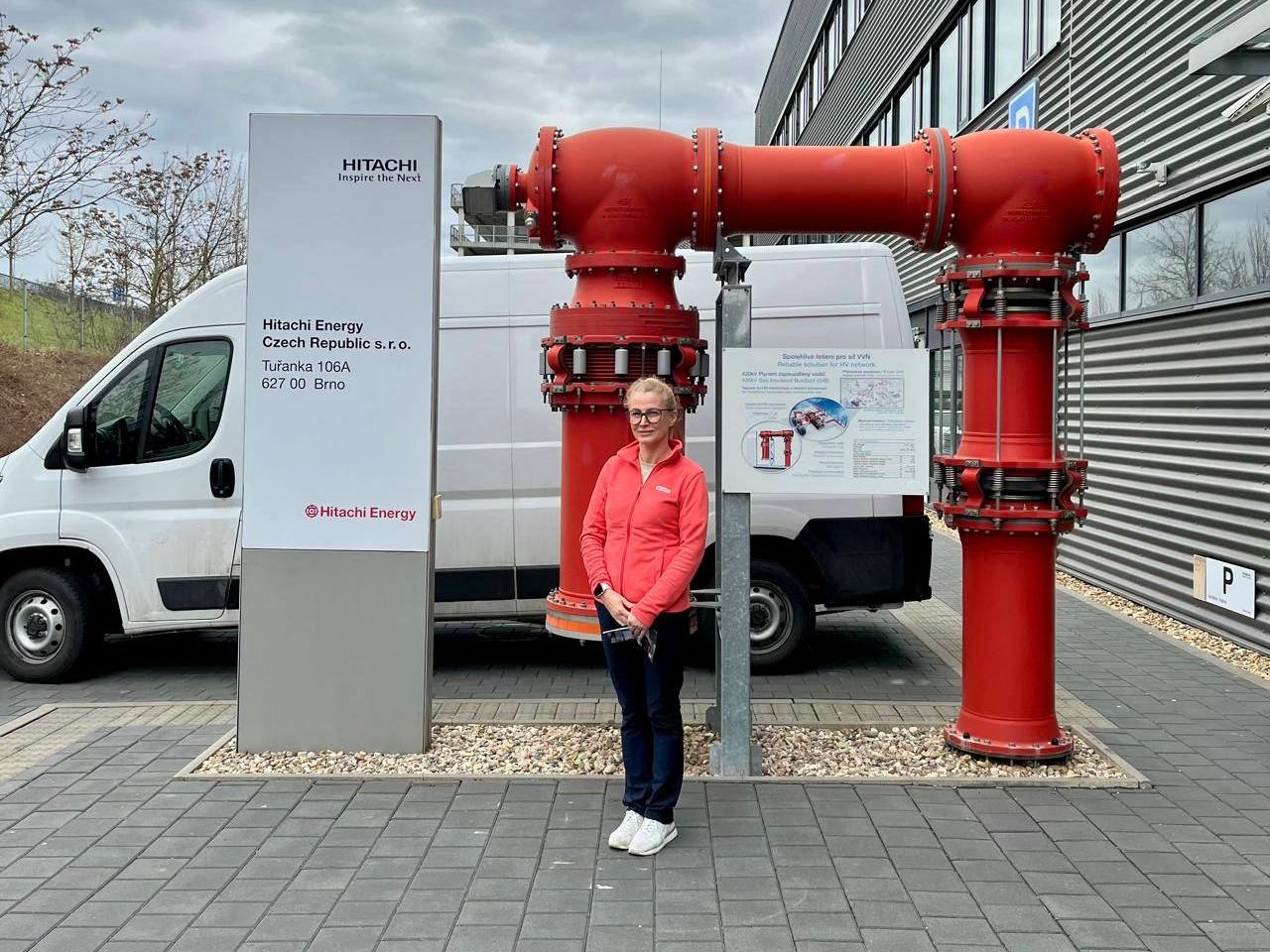
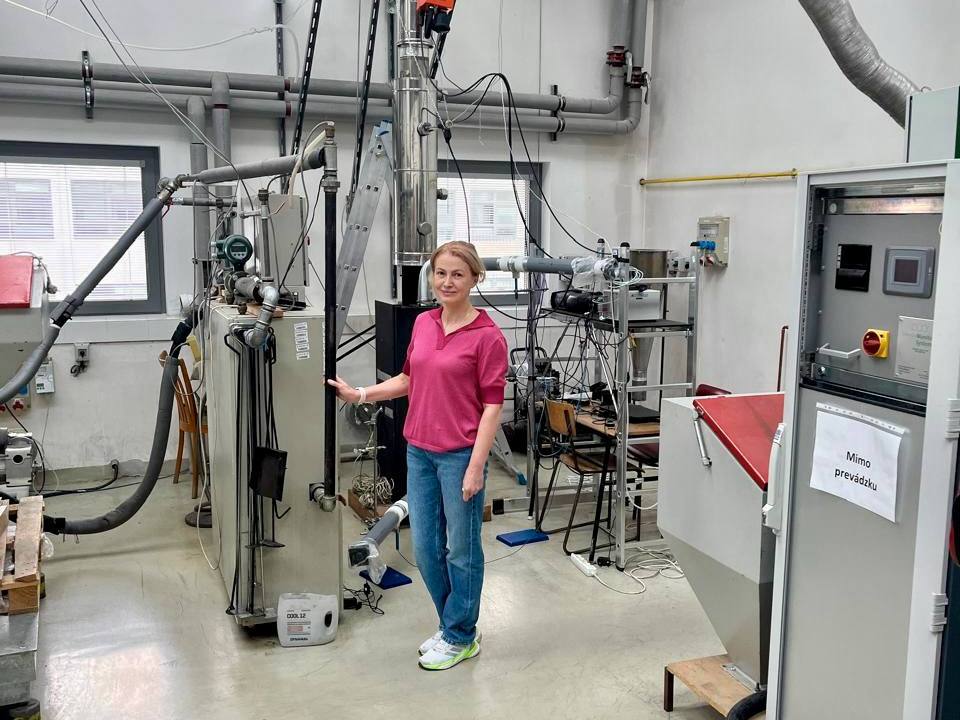
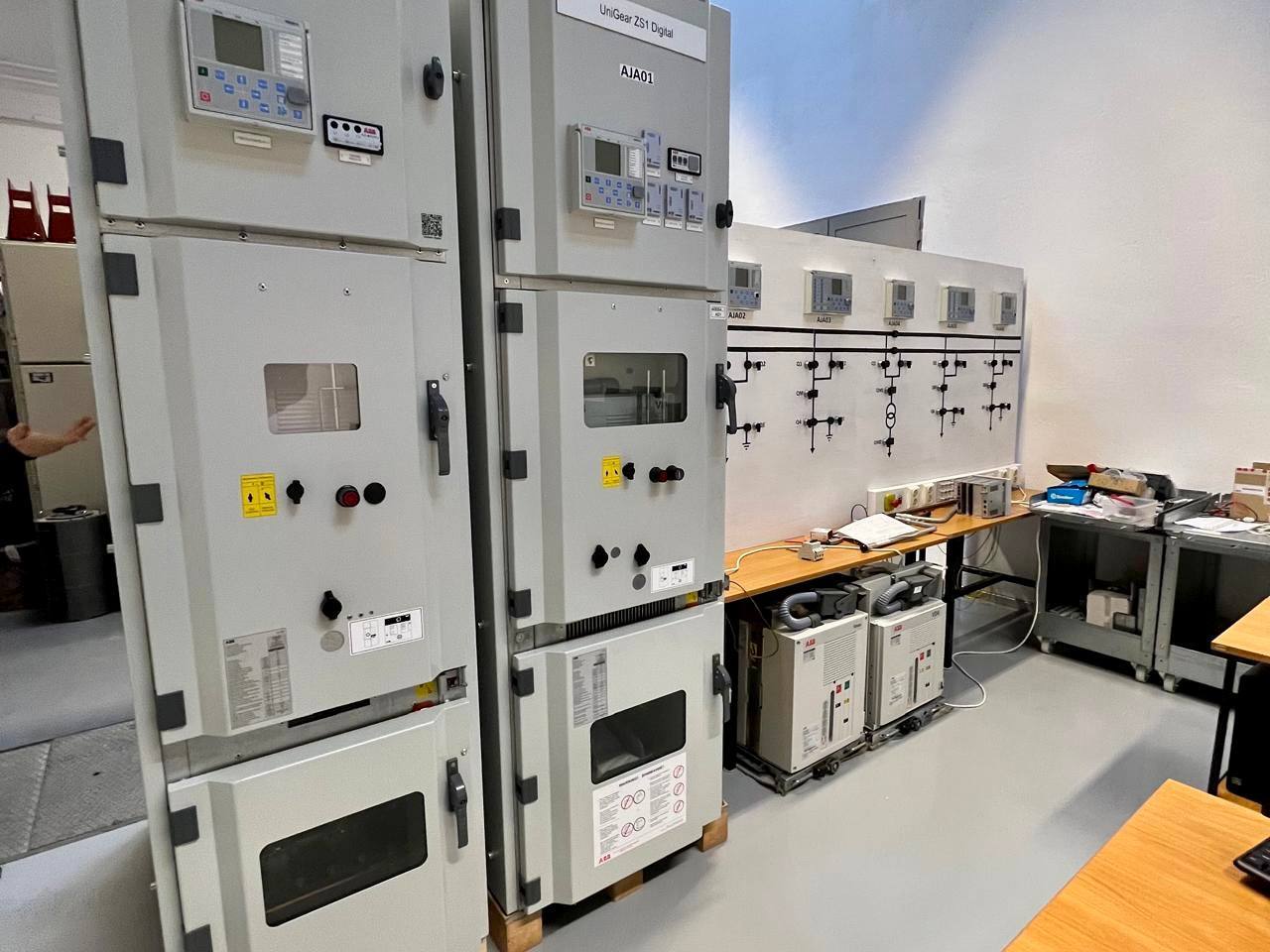
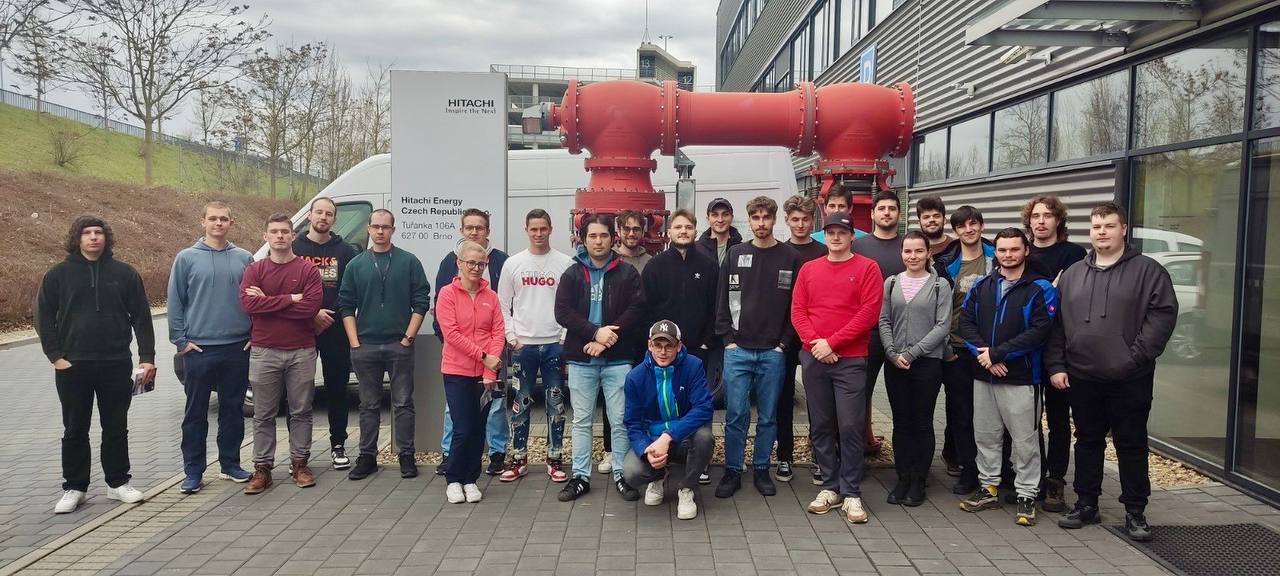
Svetlana Ibragimova also visited the modern laboratories of the University of Žilina, where opportunities to introduce similar equipment and laboratory activities at KRU were discussed. In addition, she visited the production facilities of global energy industry leaders ABB and Hitachi Energy in the Czech Republic, where she explored advanced technologies and solutions used in the electric power sector.
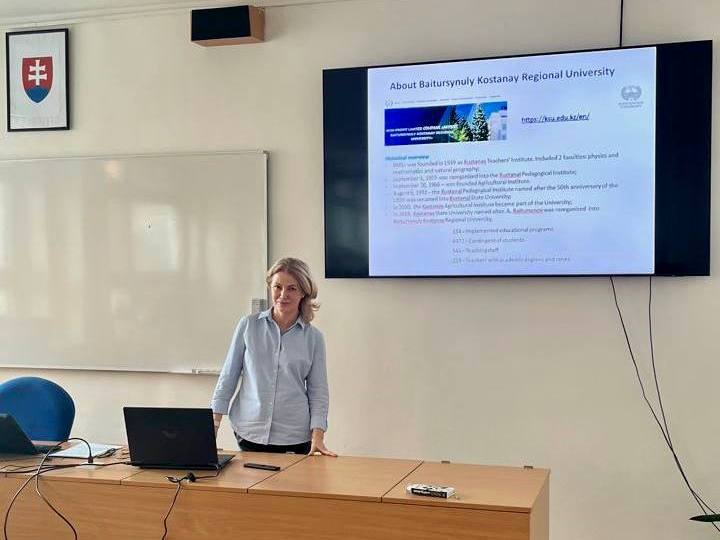
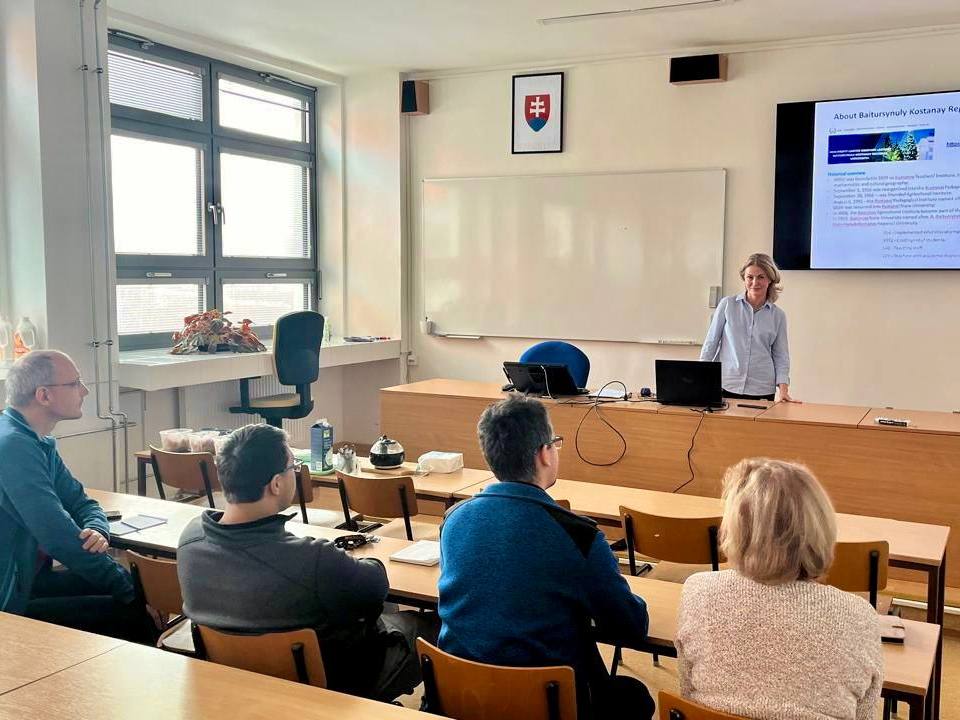
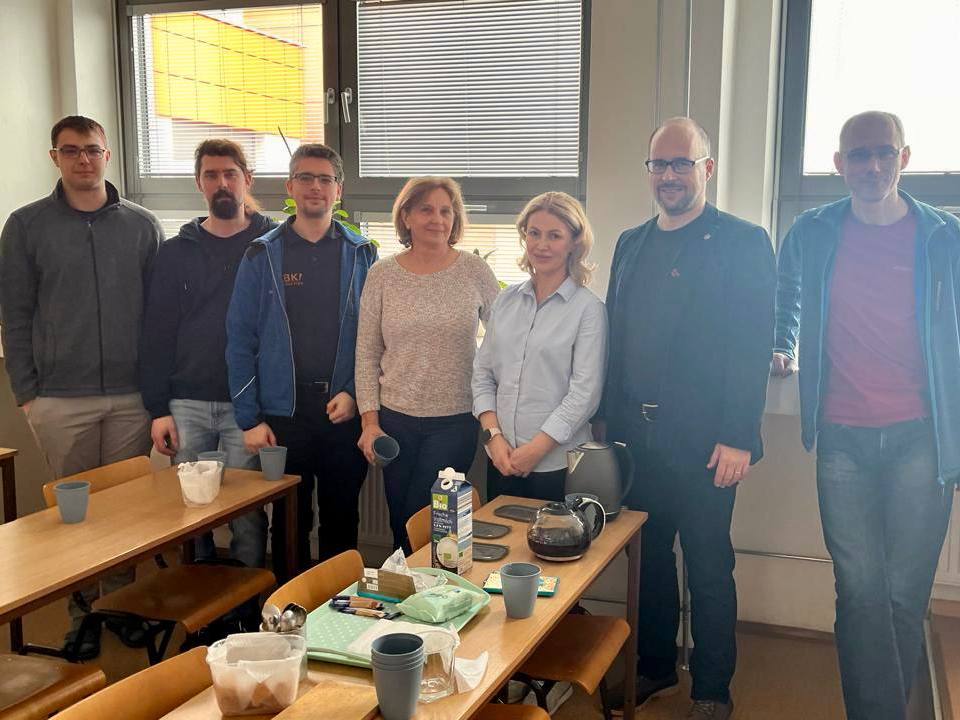
Another important milestone was an international online lecture for master’s students at Baitursynuly University, delivered jointly by Svetlana Ibragimova and Marek Höger, Associate Professor at the University of Žilina. Students were introduced to modern methods of power system operating-mode analysis, power flow calculations, and mathematical models of electrical networks.
The knowledge gained during the internship has already been put into practice. Using data provided by MezhregionTranzit JSC, an analysis of the operating conditions of a 110 kV distribution network was carried out using MATLAB. The results fully matched the calculations performed by the company’s specialists, confirming the effectiveness of the new methodology and its potential application in the research activities of undergraduate, master’s and doctoral students, as well as university faculty.
The internship also marked a new stage in the development of international cooperation. Agreements were reached to prepare joint applications for Erasmus+ and Horizon Europe funding programs. In addition, a cooperation agreement was developed between the Faculty of Electrical Engineering and Information Technology at the University of Žilina and the Faculty of Mechanical Engineering, Power Engineering and Information Technologies at Baitursynuly University. The document has already been approved by both parties and is currently awaiting signature.
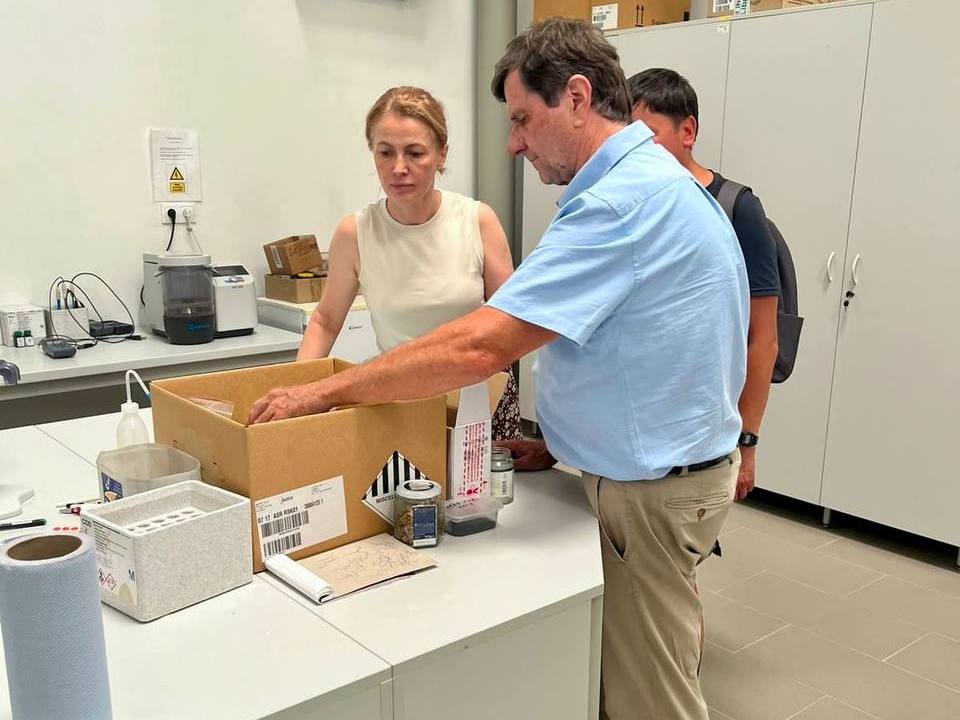
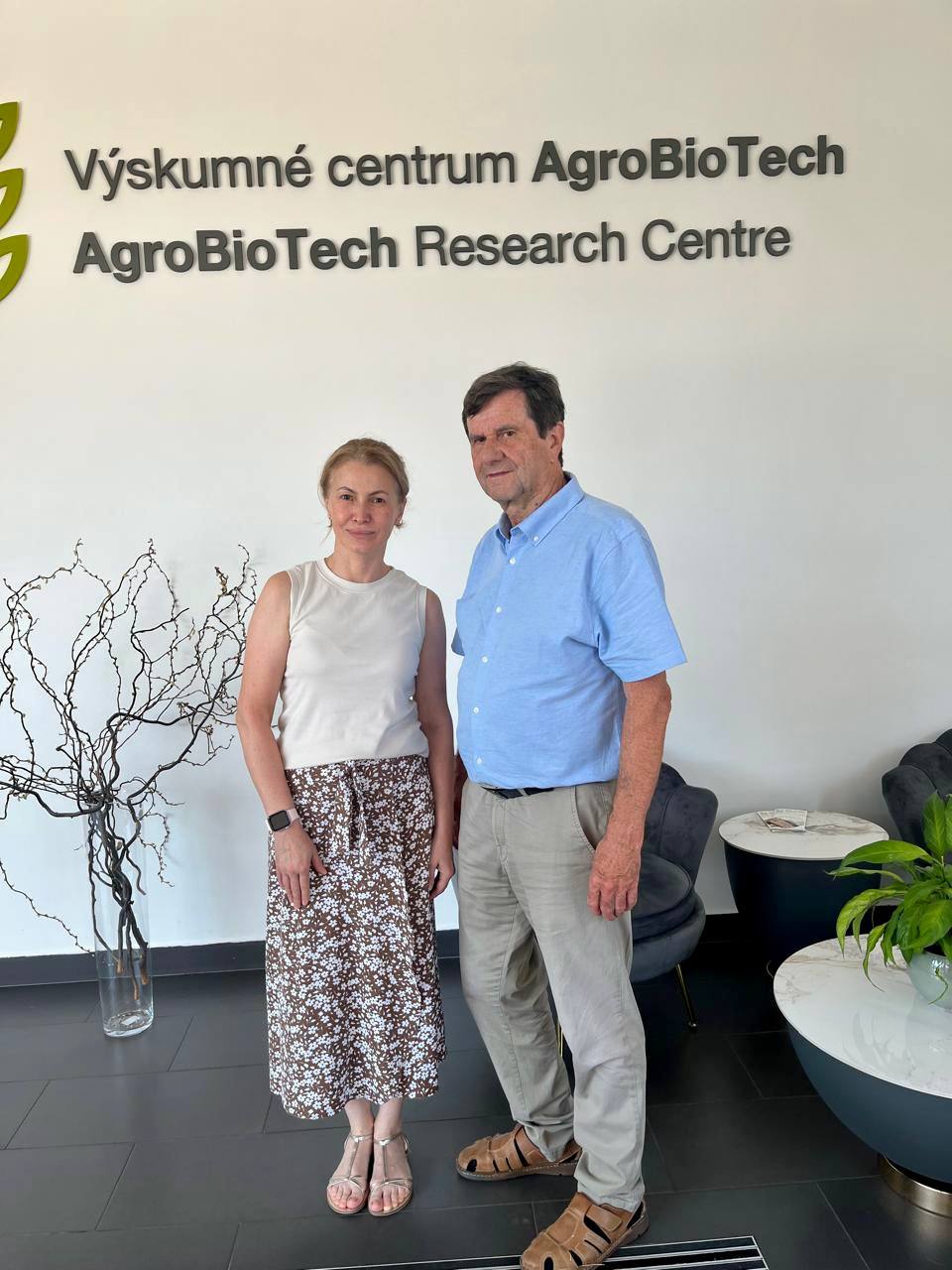
Furthermore, the KRU faculty member participated in international events organized by the Slovak Academic Information Agency (SAIA), established professional contacts with researchers from universities in Austria, Slovakia, and Kazakhstan, and visited the Slovak University of Agriculture in Nitra. Discussions there focused on the prospects for a joint project in the fields of circular economy and the energy-efficient production of organic sorbents from agricultural waste.
The research outcomes of the internship have already resulted in academic publications, the preparation of new research projects, and the registration of an intellectual property asset — software for modeling power system operating conditions.