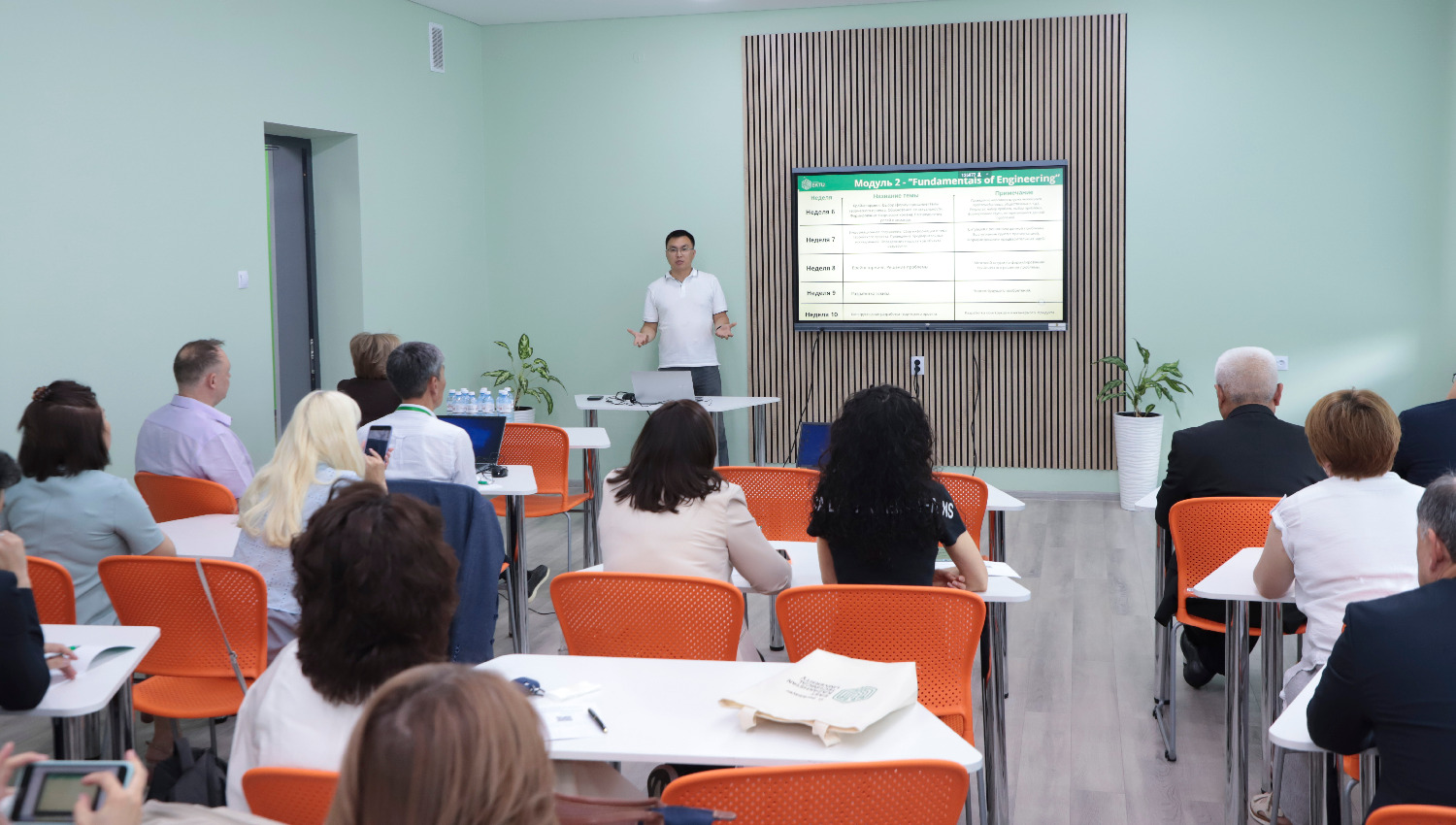
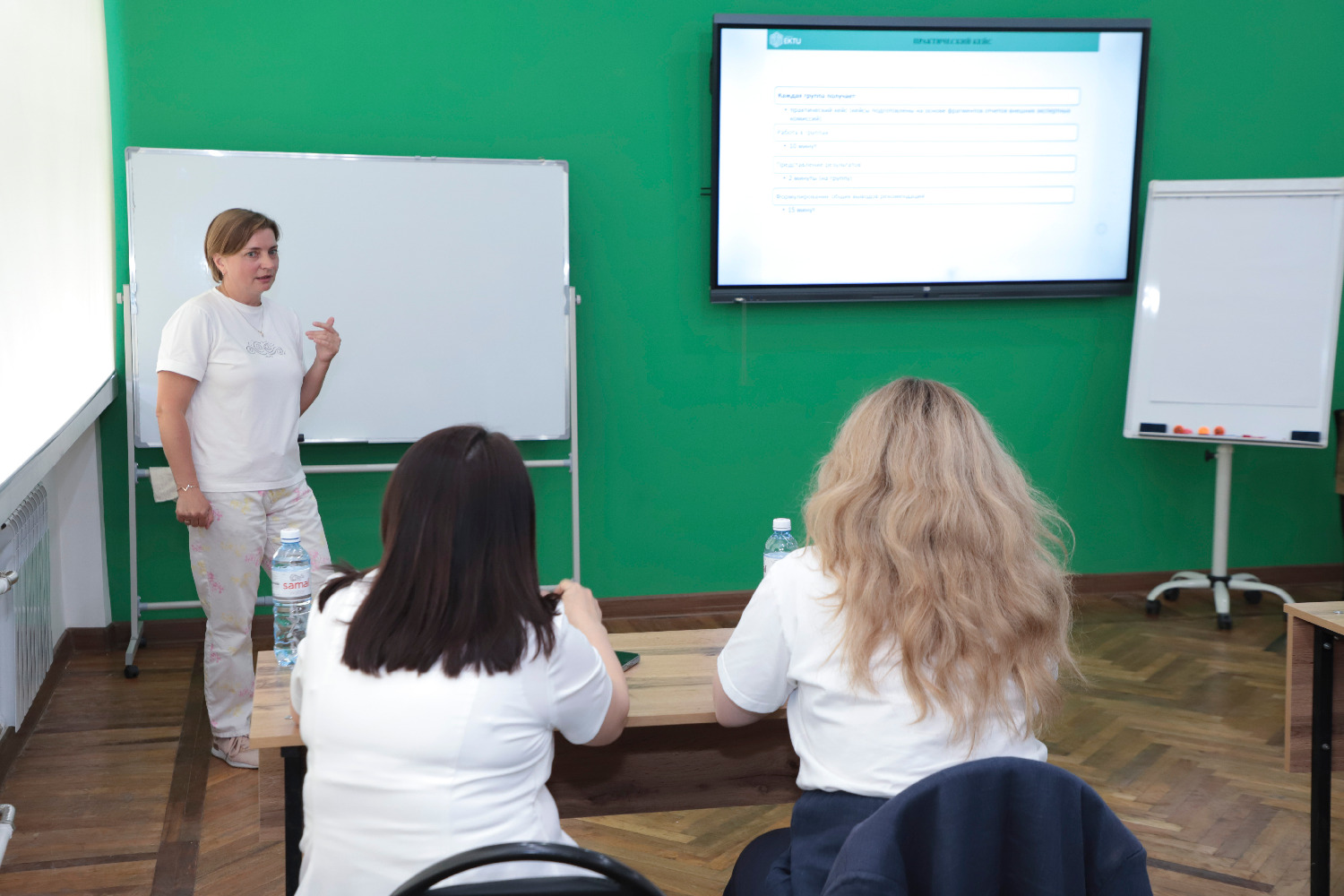
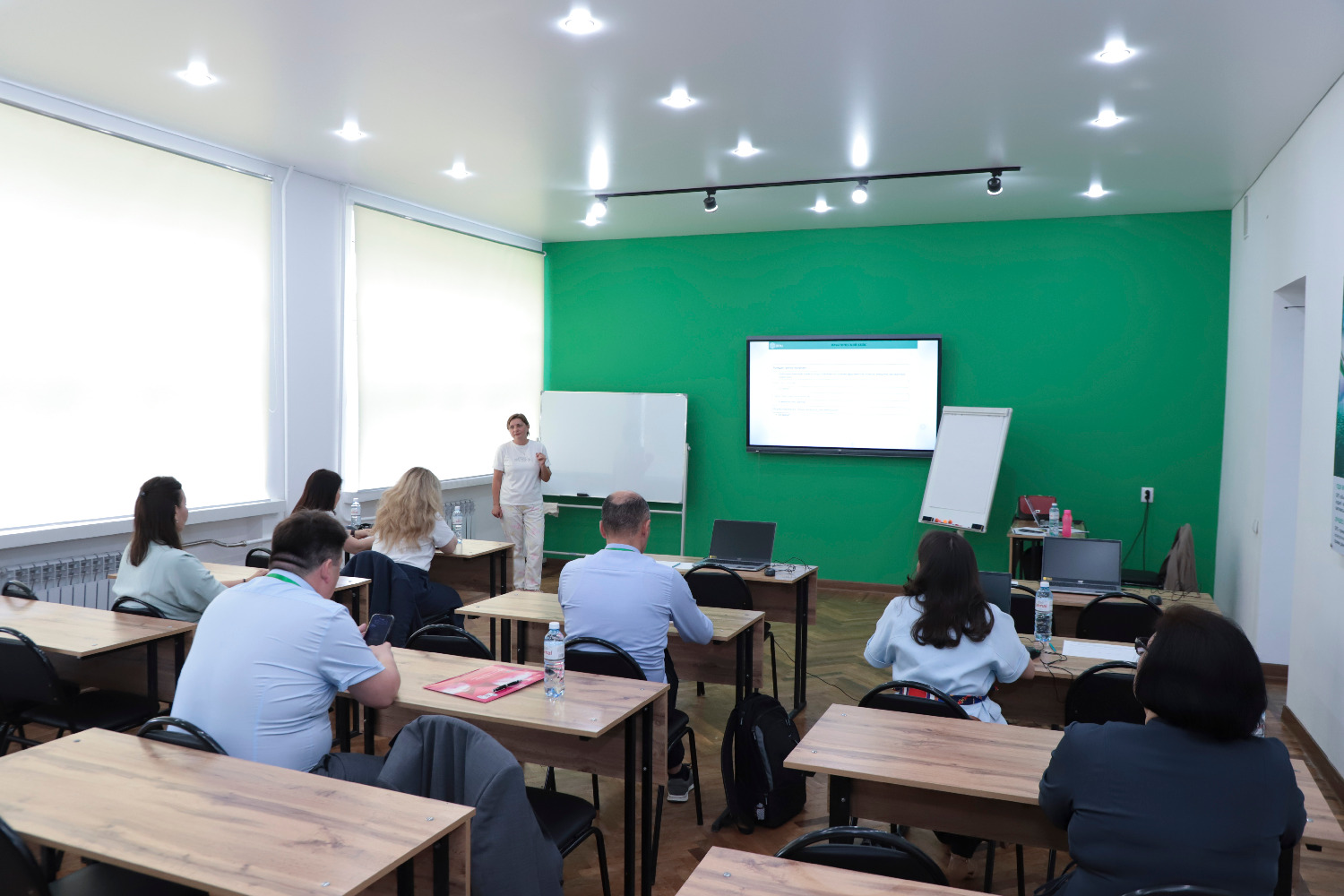
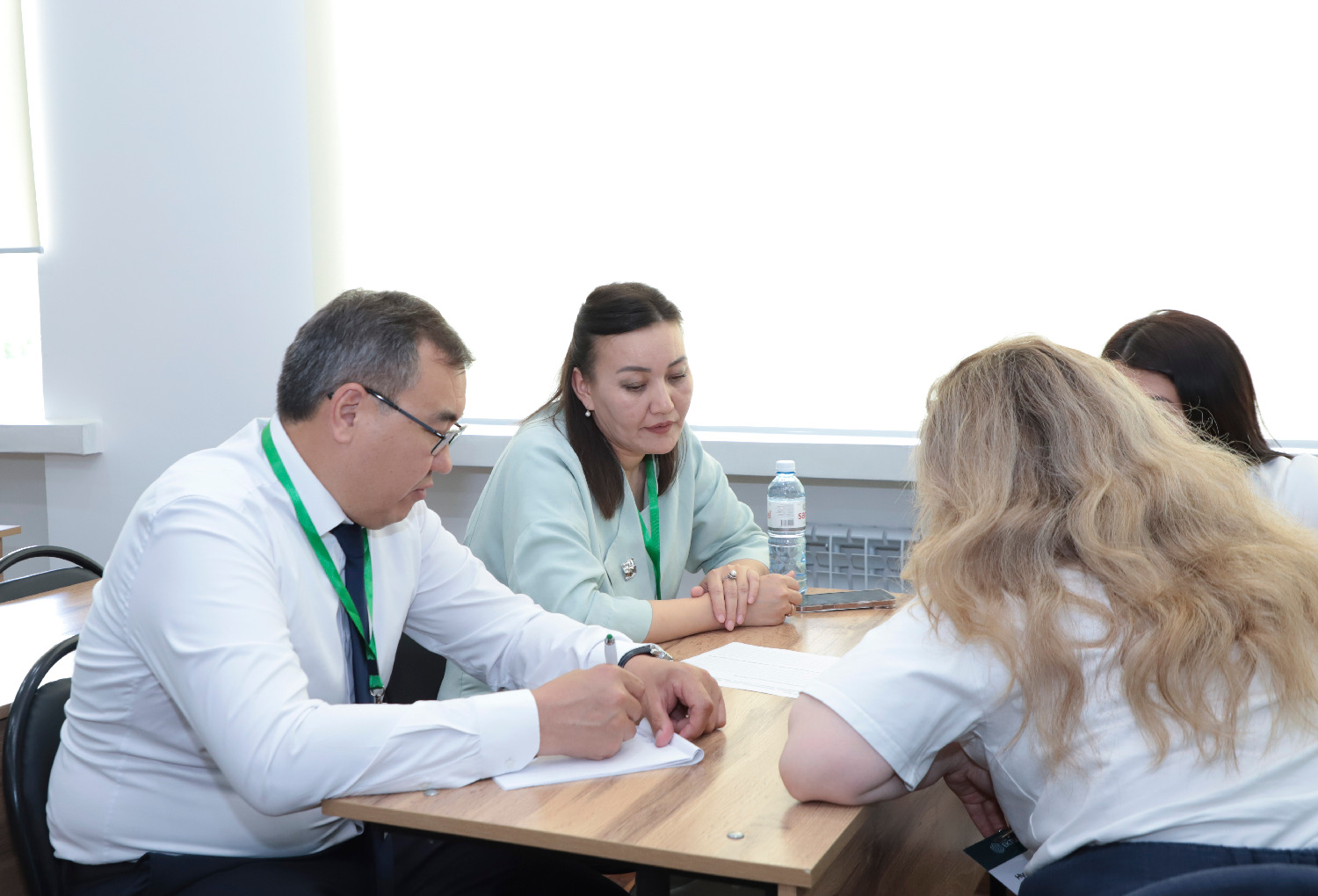
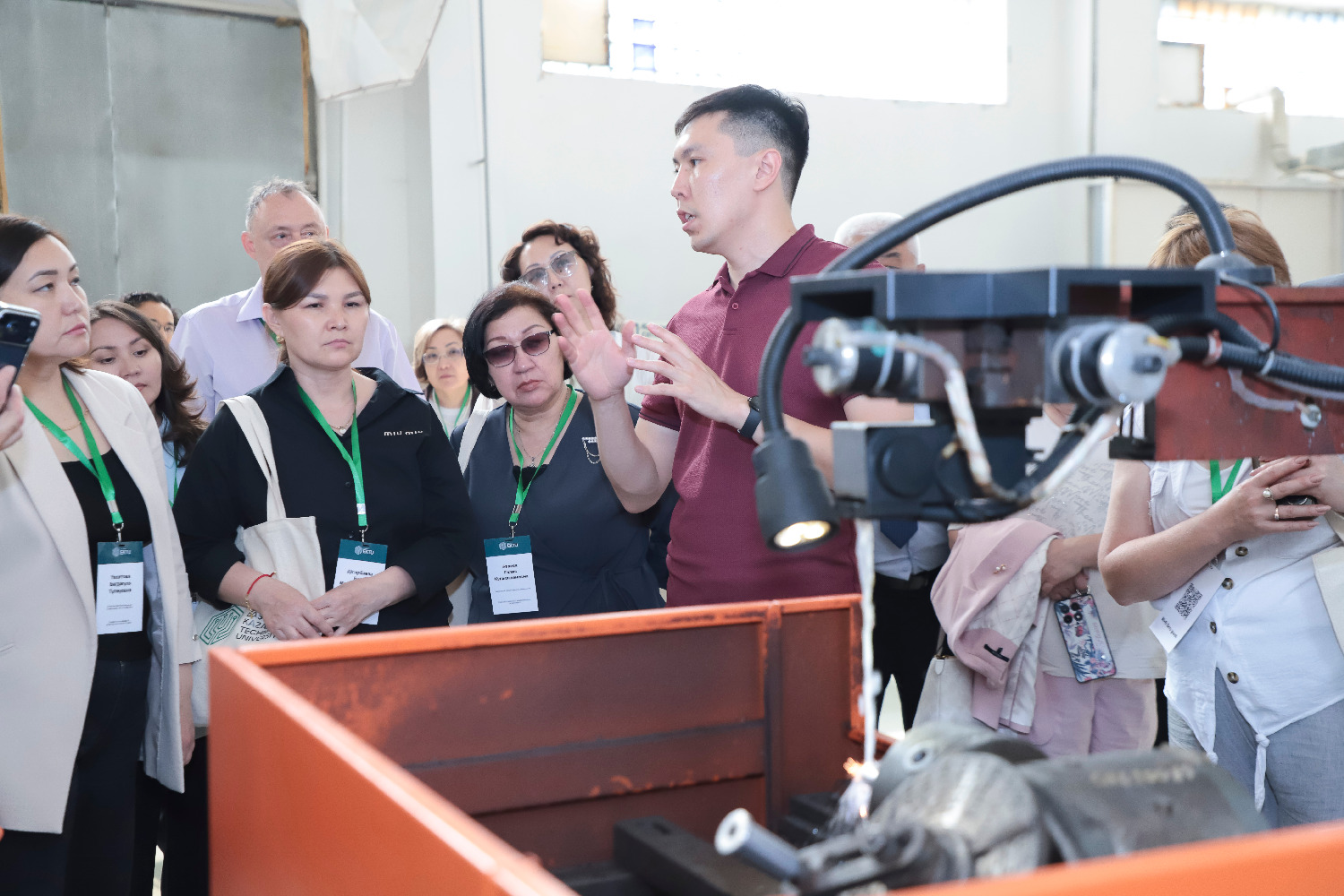
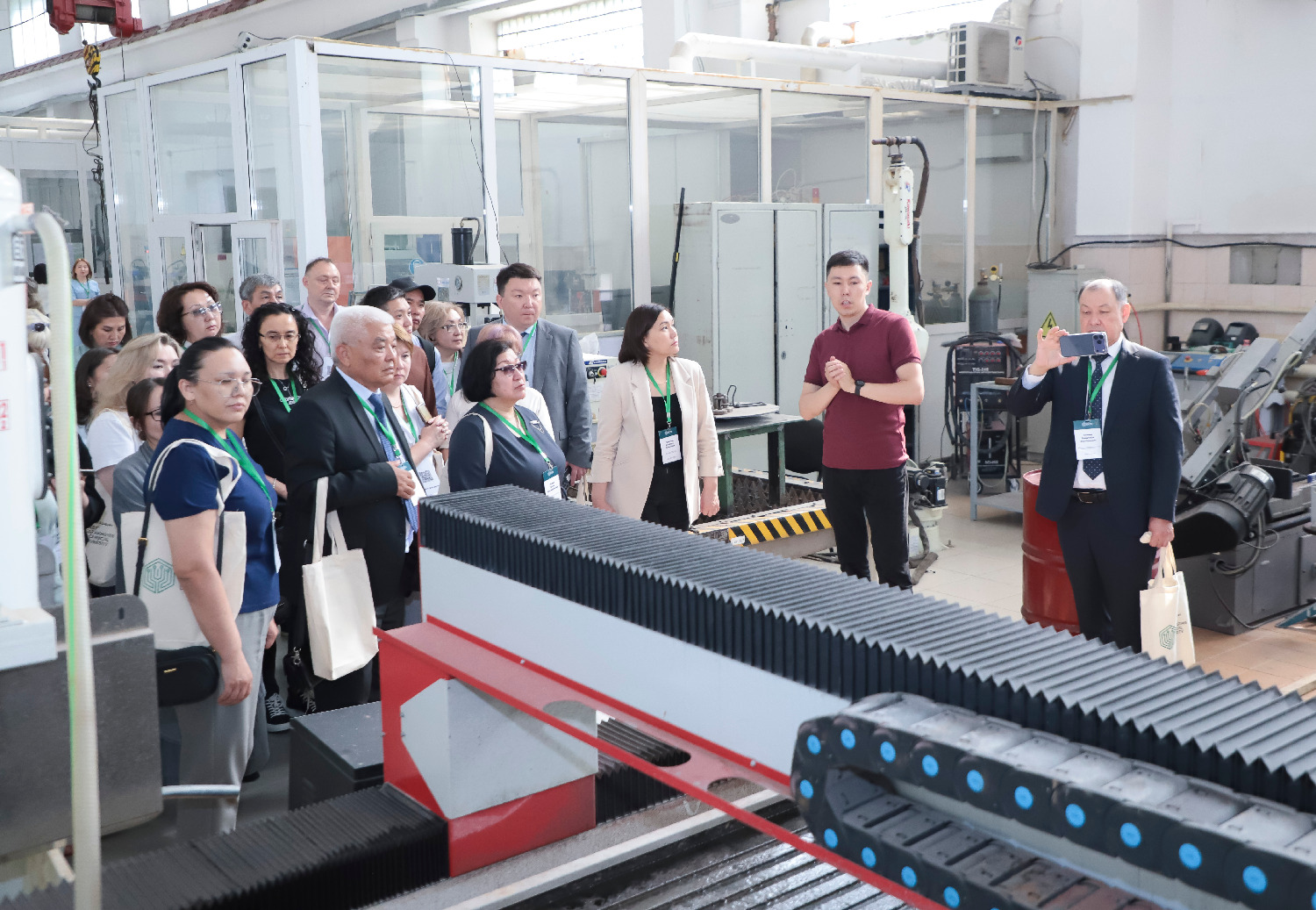
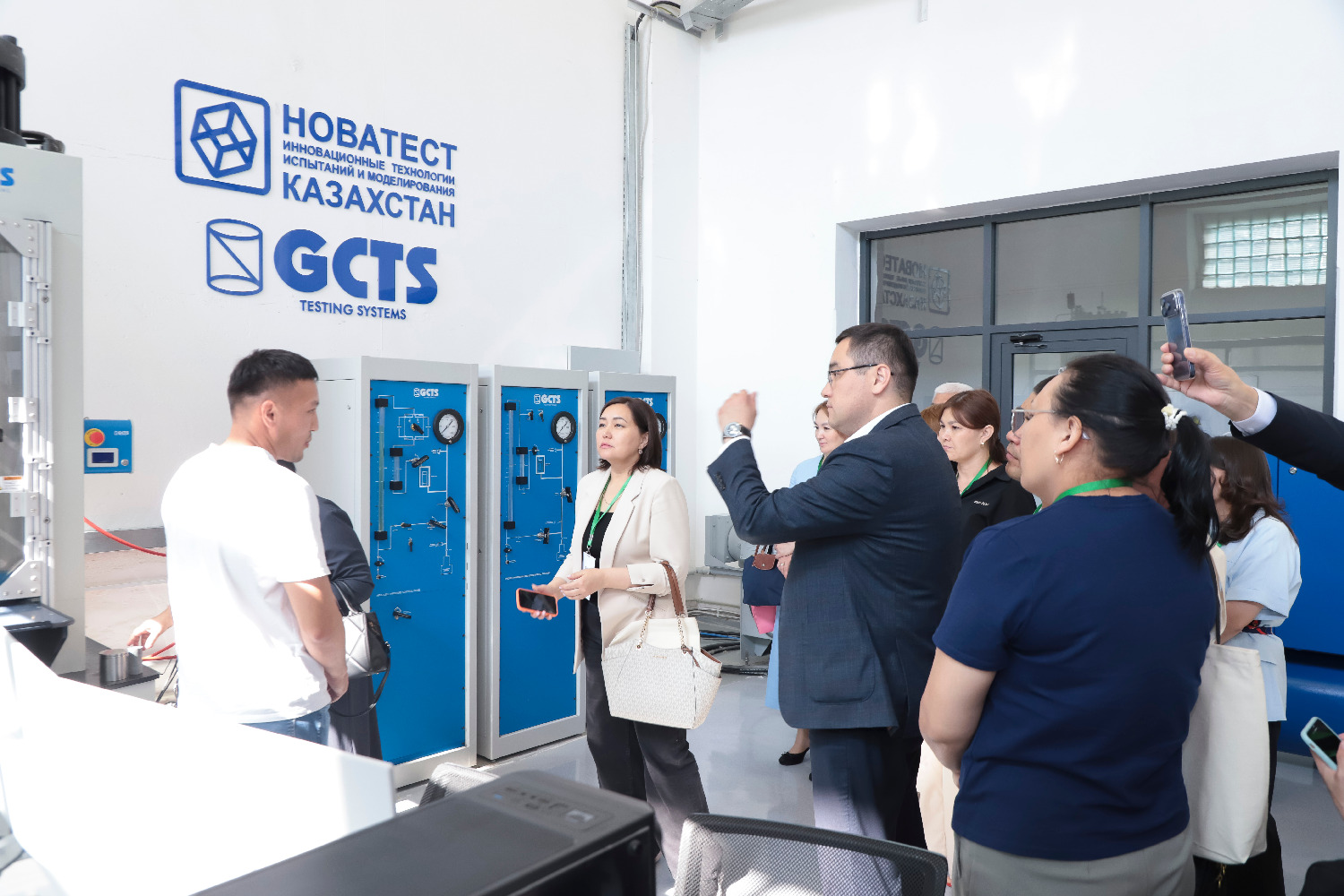
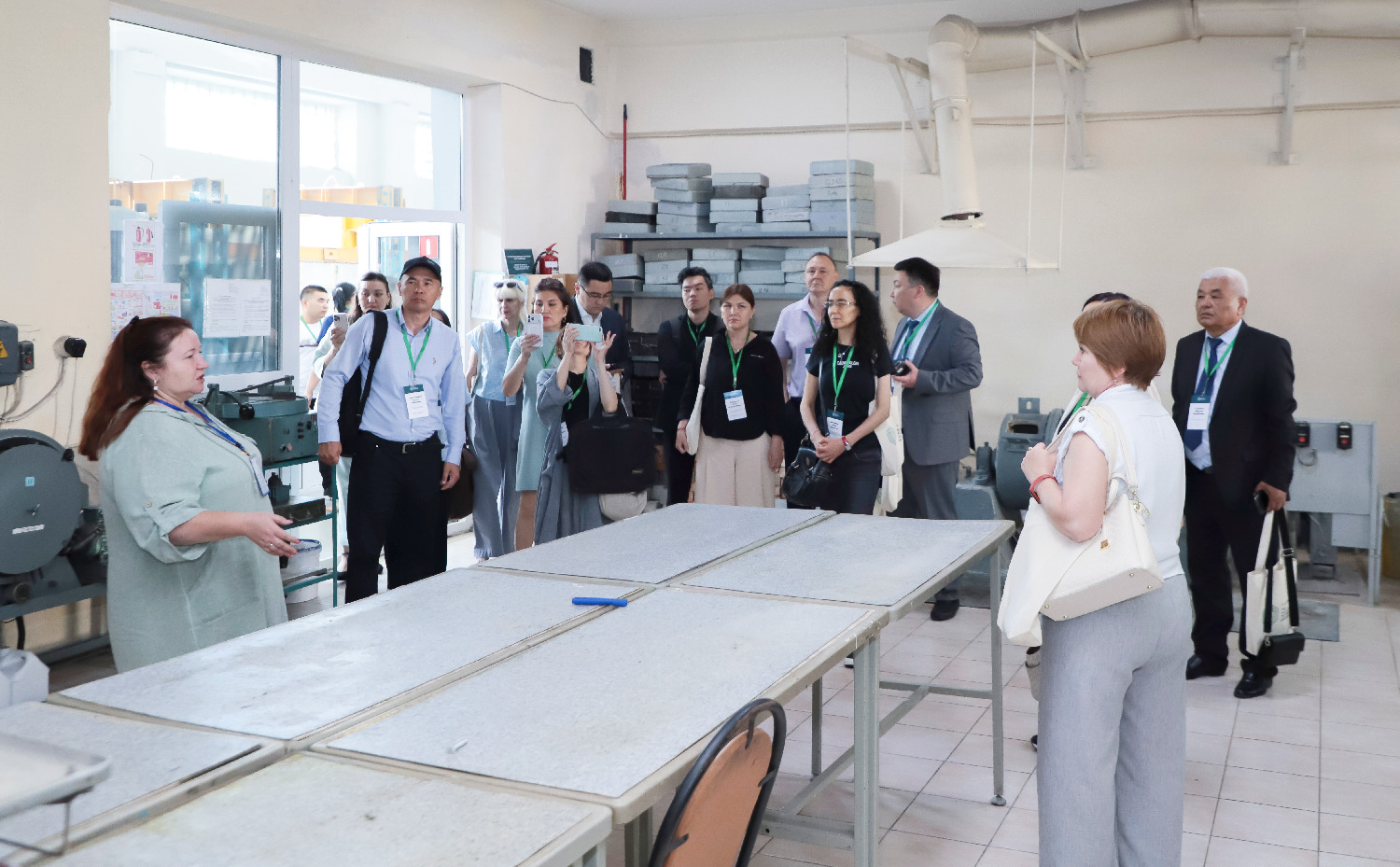
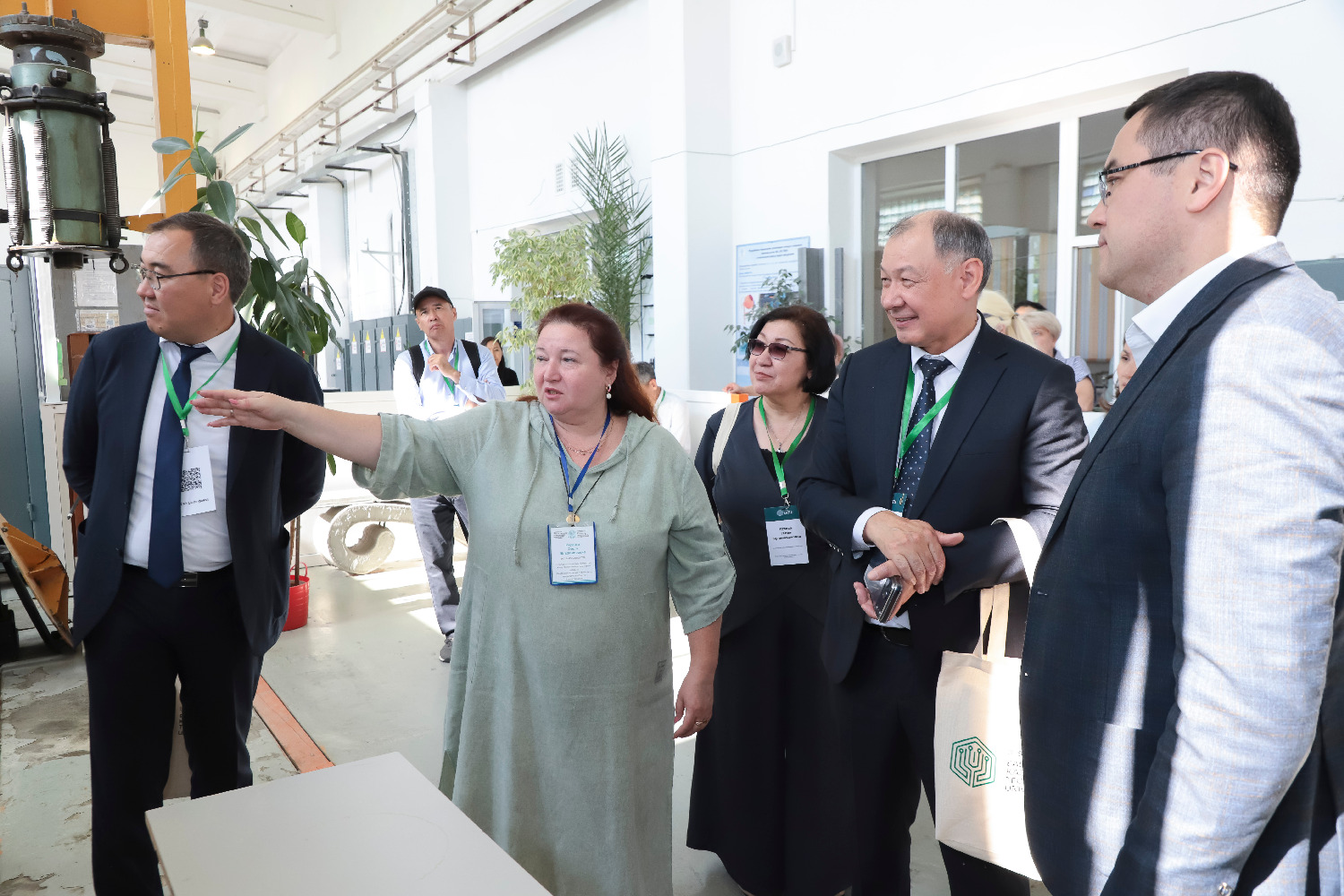
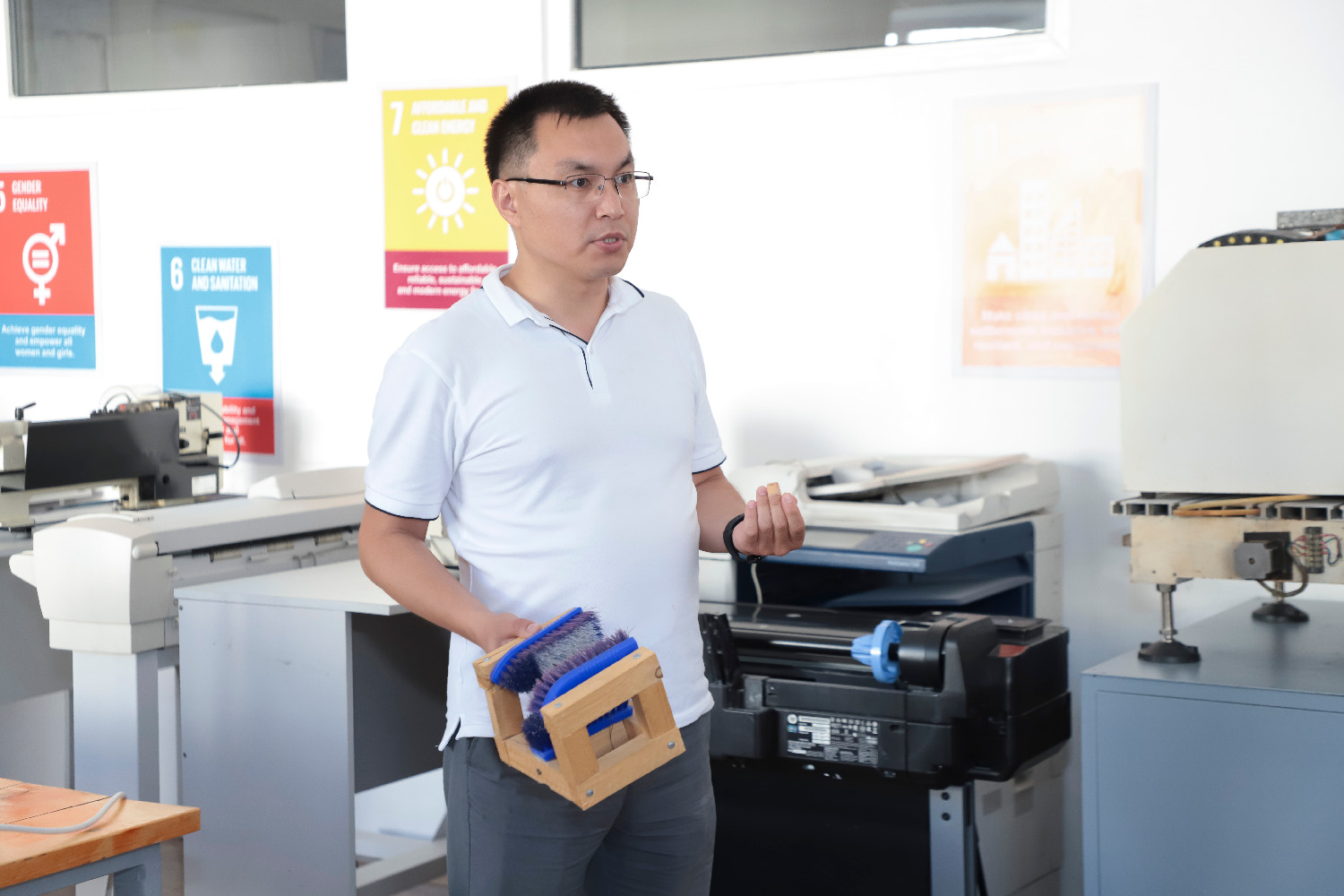
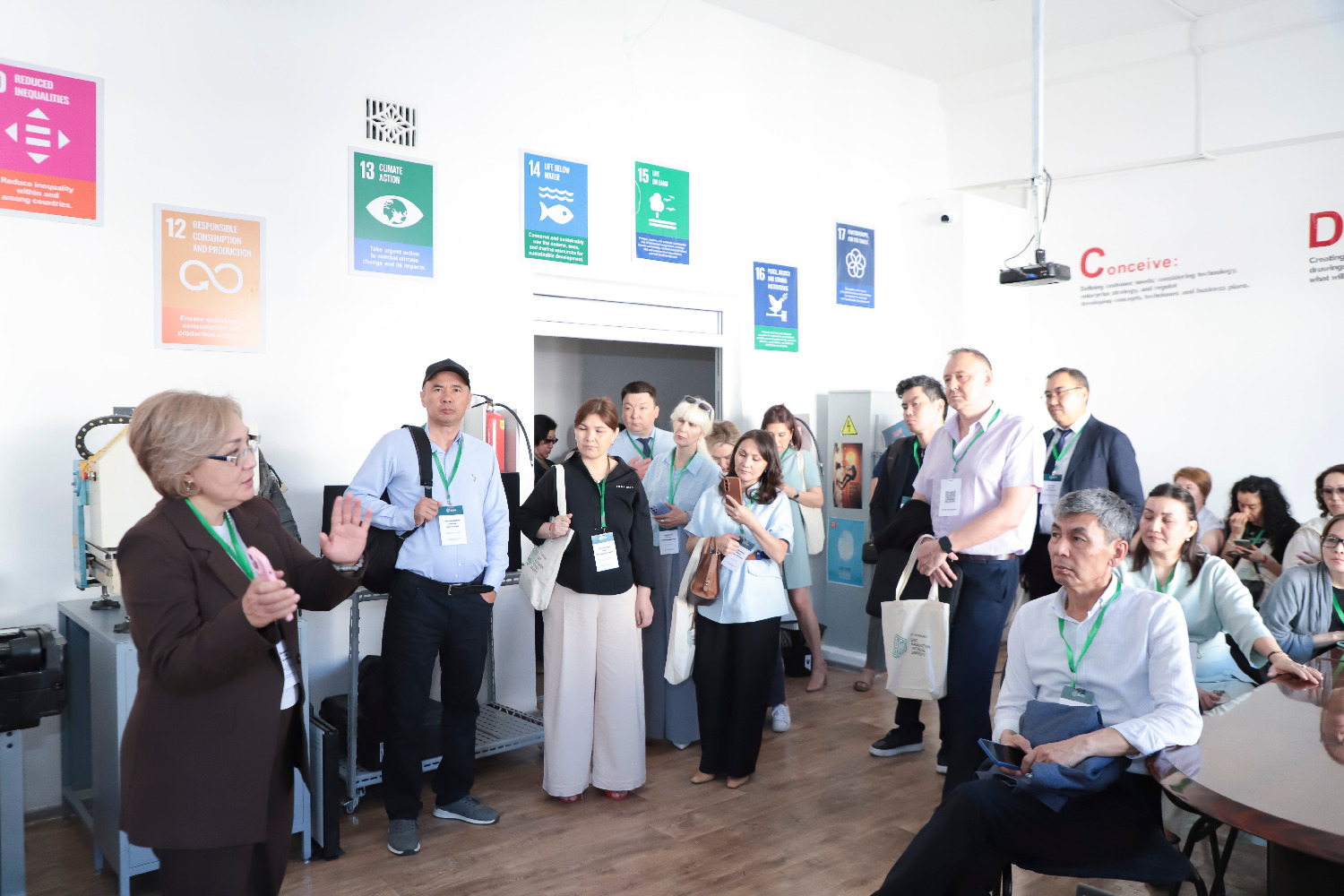
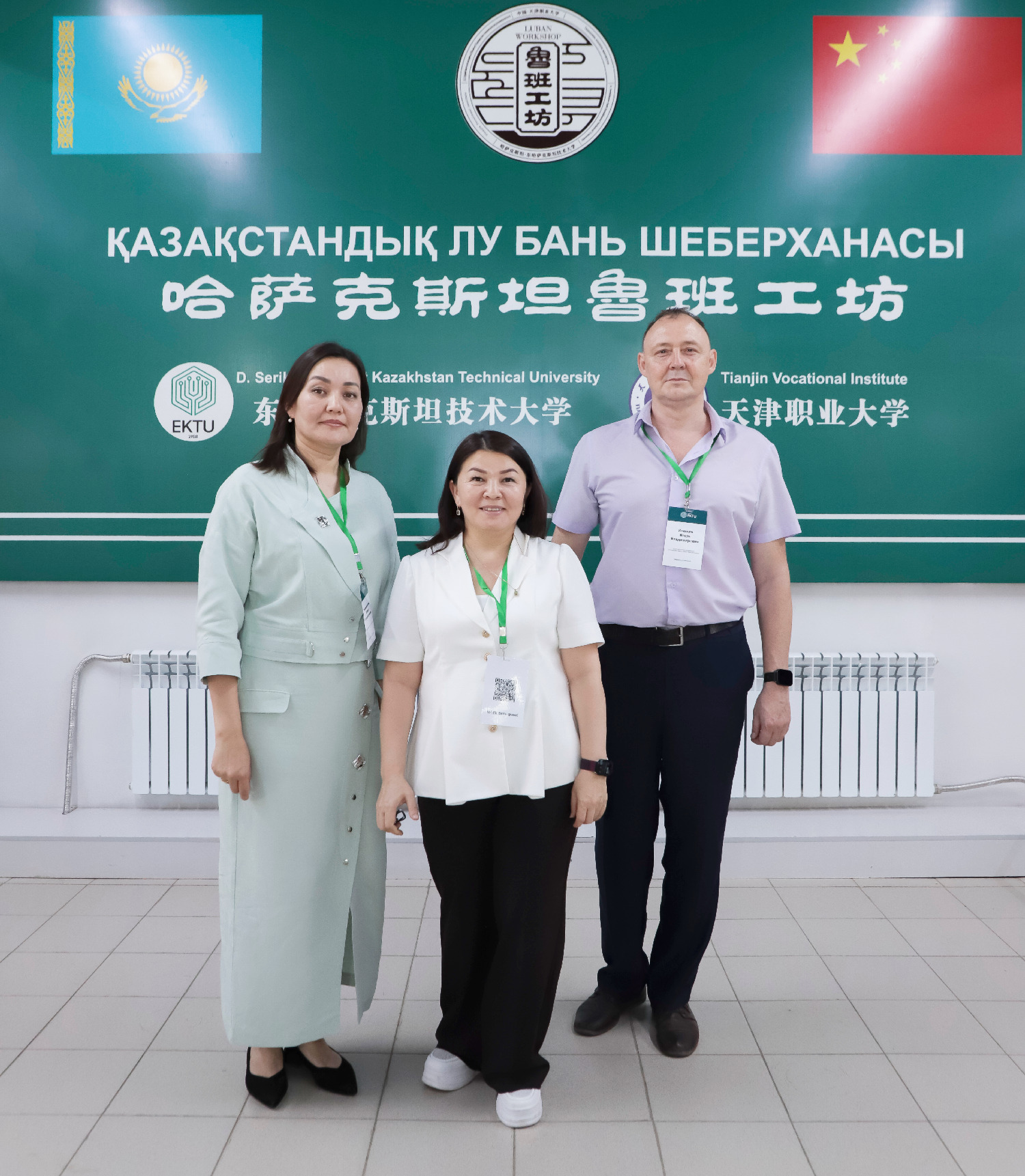
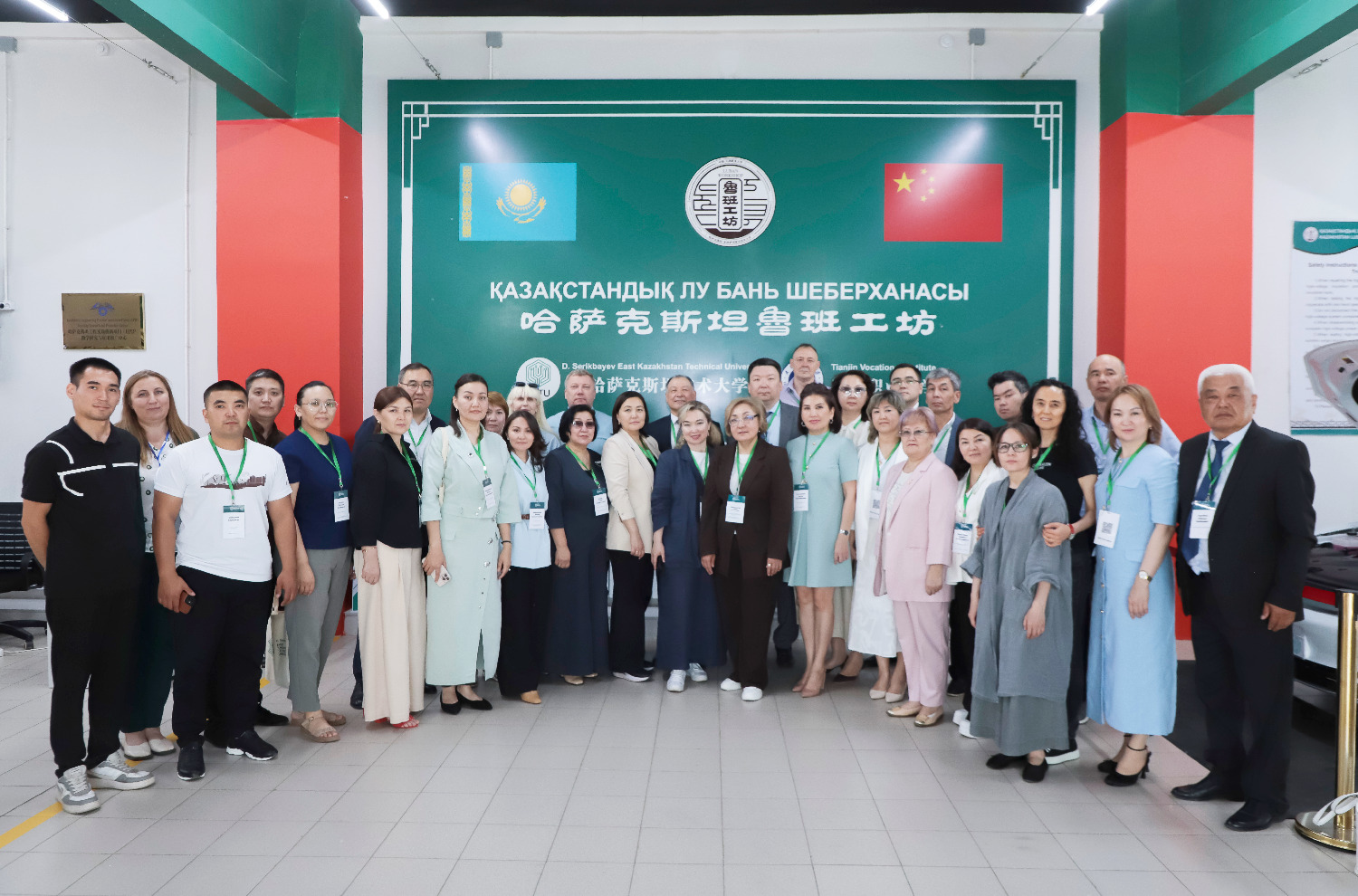
The large-scale event, bringing together representatives of the Ministry of Science and Higher Education of the Republic of Kazakhstan, sectoral government agencies, universities, and industrial partners, is being held at D. Serikbayev East Kazakhstan Technical University in Oskemen.
Representing A. Baitursynuly Kostanay Regional University at the national level are:
During the official opening, Asiya Mashekenova, Member of the Management Board and Vice-Rector for Academic Affairs of EKTU, emphasized that the primary objective of the meeting is to develop a unified mechanism for implementing the National Model of Engineering Education and to formulate proposals for scaling a targeted dual education model for engineering students in Kazakhstan.
A central question of the forum was: What should a modern engineer be like?
Participants discussed the training of specialists for high-tech industries, the importance of collaboration between education, science, and business, and the role of universities in supporting Kazakhstan’s industrial development.
A key focus of the strategic session was the discussion of the National Model of Engineering Education, which promotes a continuous educational pathway—from school education to the beginning of a professional career.
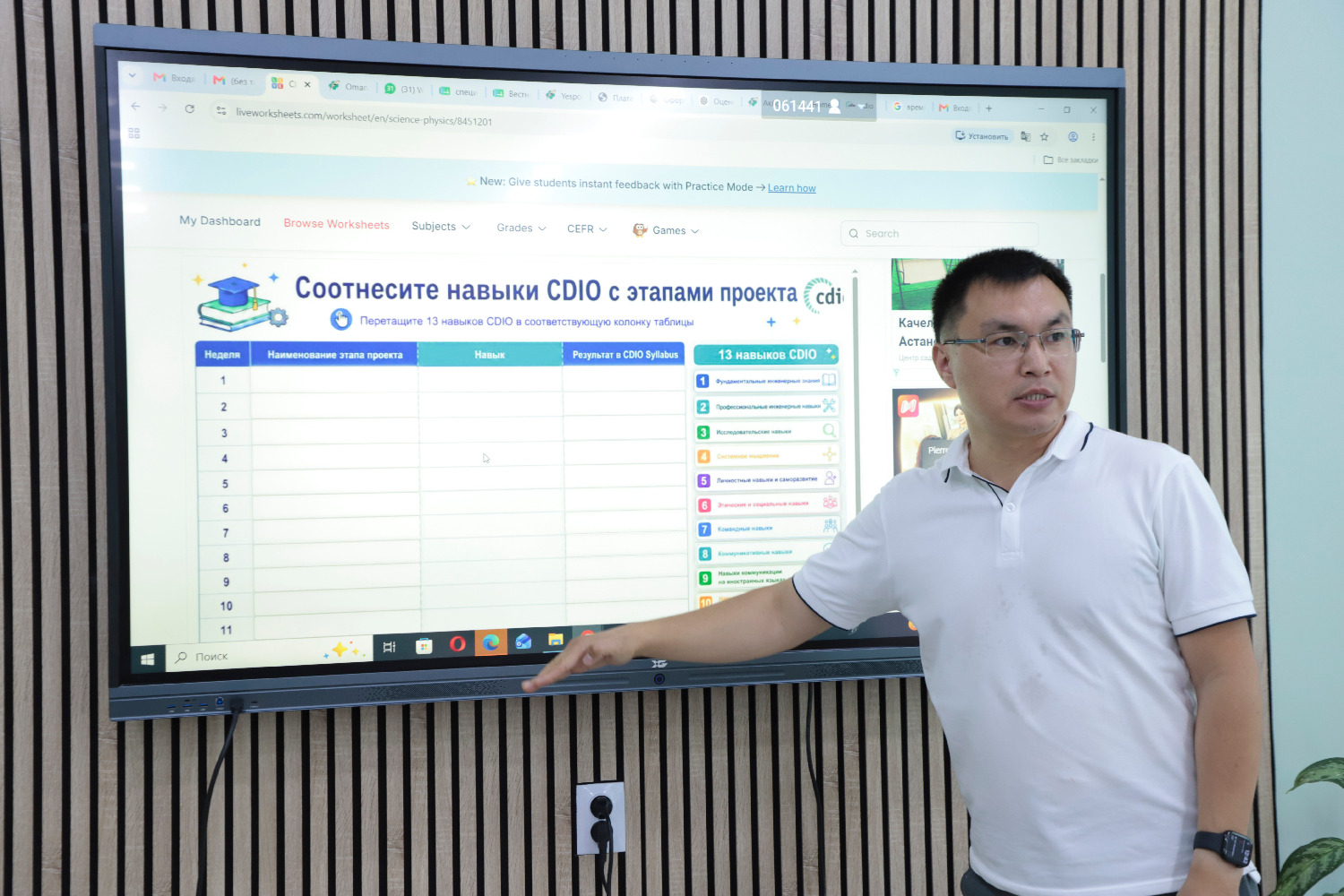
On June 8, during a panel session, representatives of EKTU and other universities shared their experience in implementing the international CDIO Initiative (Conceive – Design – Implement – Operate). This educational approach aims to develop practical engineering competencies through solving real-world industrial challenges.
Forum participants also explored the experience of leading engineering education centers, including Best Engineering Schools (BES) and the Luban Workshop, one of the largest international educational projects in the East Kazakhstan region.
The Luban Workshop operates two specialized laboratories: nnovative Vehicle Design LaboratorySMART Vehicle Technologies Laboratory, these facilities enable students not only to study theoretical concepts but also to gain hands-on experience with automotive systems through simulation-based testing and practical training.
Particular emphasis is placed on the study of maintenance and diagnostic technologies for electric and hybrid vehicles, reflecting the growing importance of sustainable and innovative transportation technologies in modern engineering education.
The forum serves as an important platform for shaping the future of engineering education in Kazakhstan and strengthening collaboration between universities, industry, and government in preparing the next generation of engineering professionals.