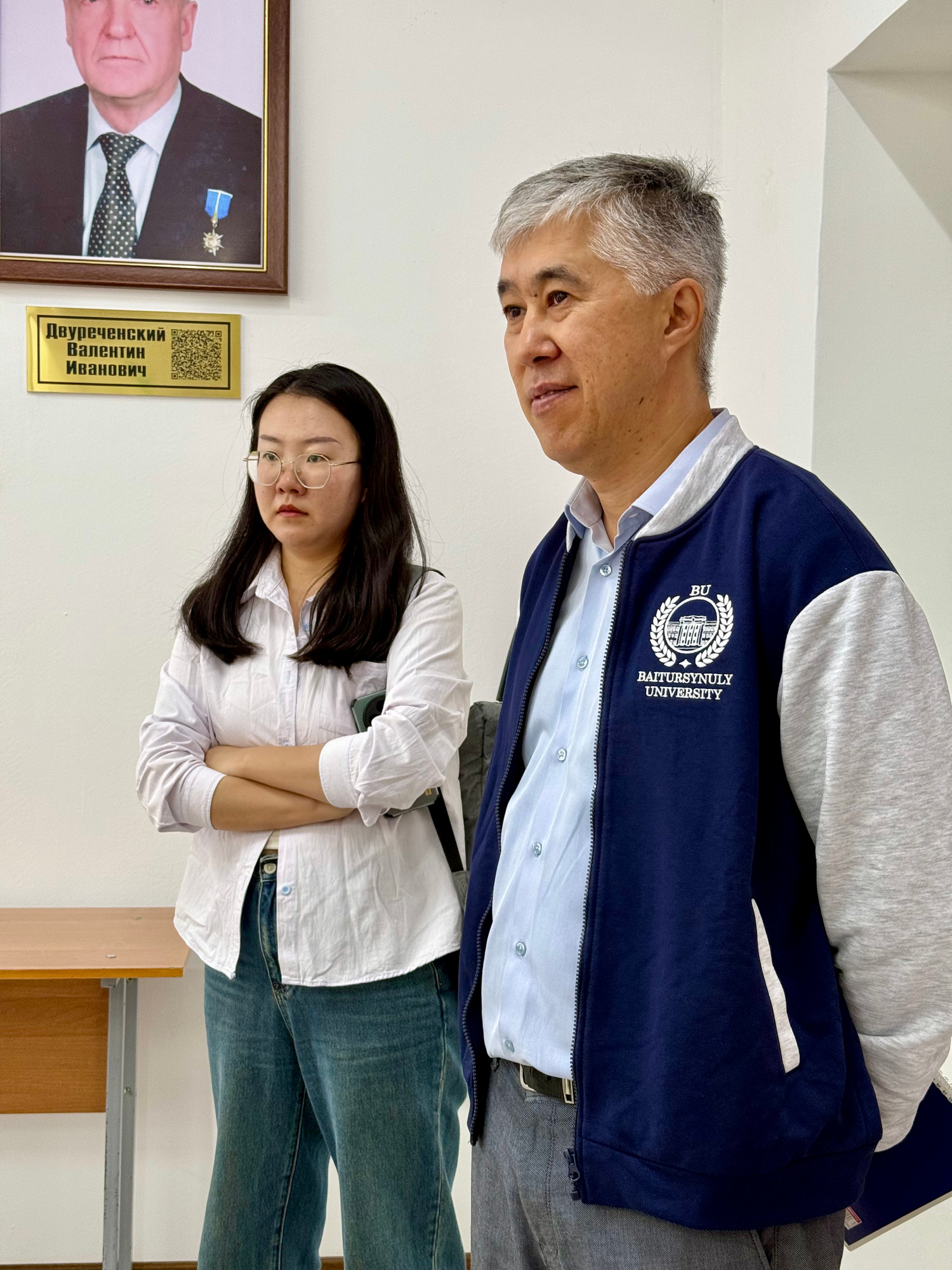
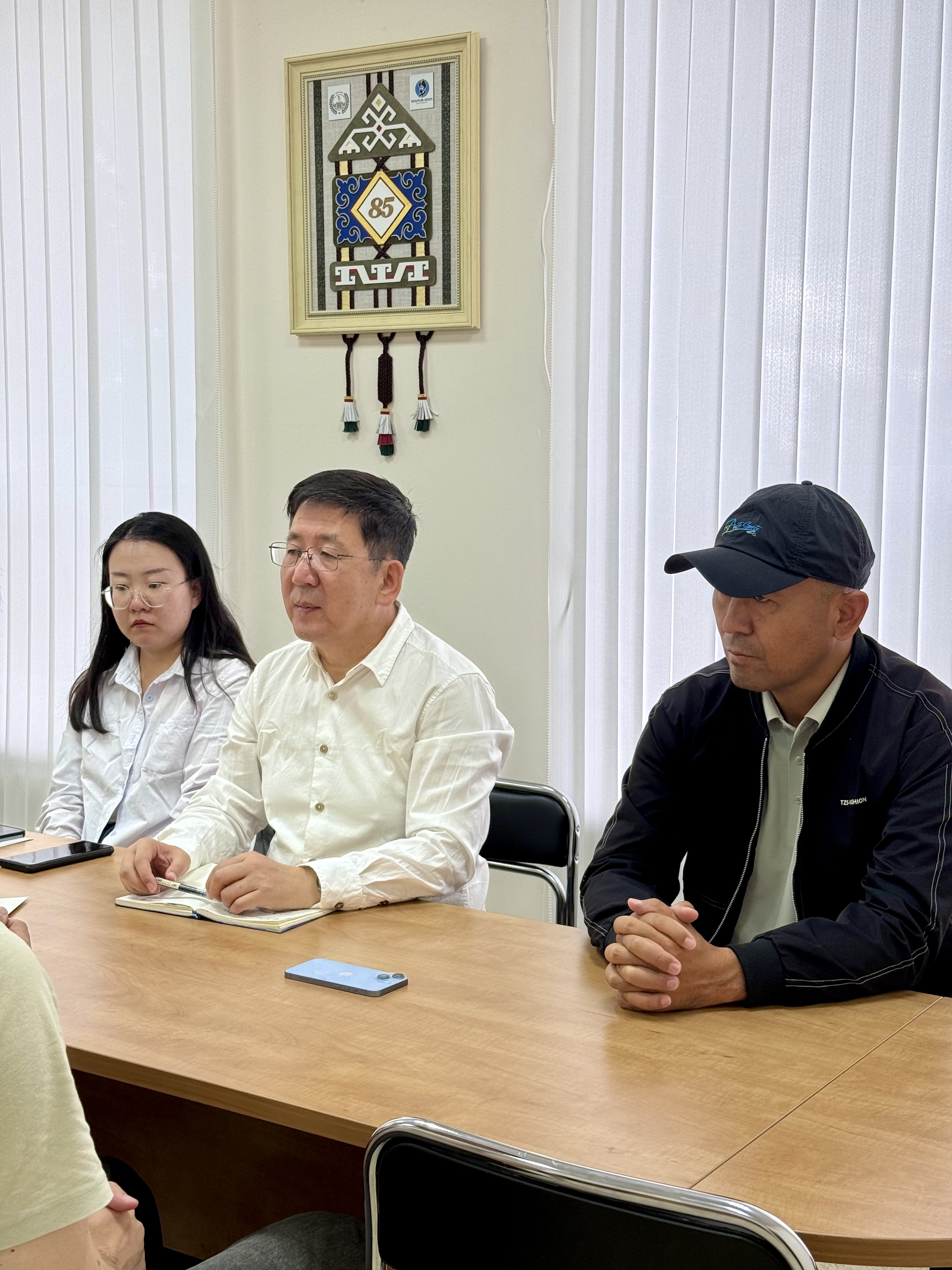
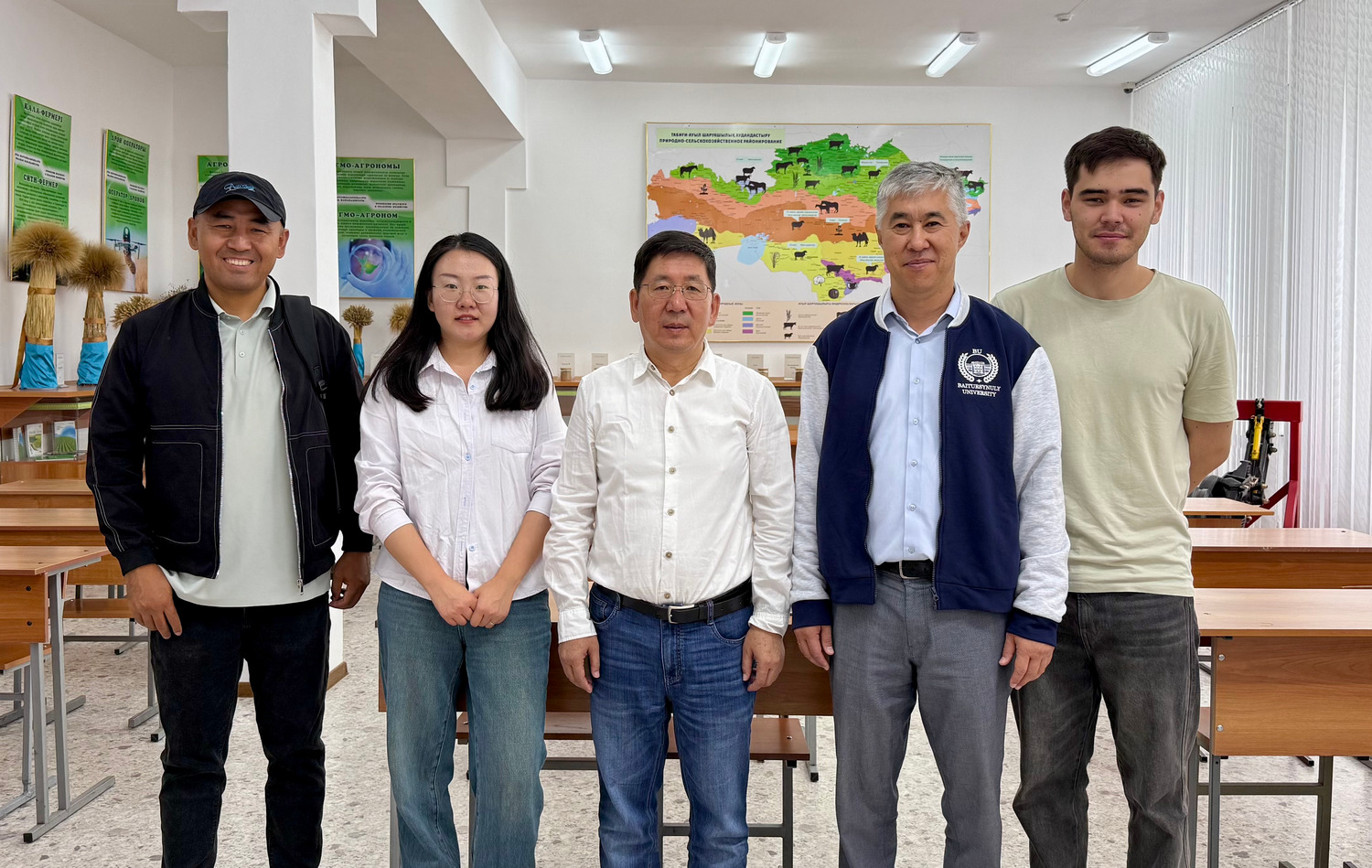
For the two universities, this partnership has long gone beyond formal agreements. For several years, Kazakhstani and Chinese specialists have been working together to advance agricultural education, research, and cooperation with industry. The next step is to expand joint projects and strengthen engagement with the agricultural sector.
One of the key outcomes of this collaboration is the dual-degree programme in the 7M08101 Agronomy educational programme. Students study at both universities and receive degrees from both Baitursynuly University and NWAFU. This year, Zhanerke Kulakhmetova, the first master's student from the Department of Agronomy to participate in the programme, is set to complete her studies.
Students also have the opportunity to spend an entire semester in China through the academic mobility programme. Five students from the Agronomy educational programme have already taken advantage of this opportunity: Sanzhar Bukanov, Temerlan Muldataev, Kuanysh Okasov, Baitas Temirbekov, and Maksat Marden.
According to Temerlan, agronomy can look quite different from the outside than it actually is.
“At its core, it is largely about botany, which opens the door to many other fields. KRU also gives students the opportunity to travel, study at different universities, participate in international programmes and projects. The key is to take the initiative and not be afraid to make use of the opportunities available.”
His advice to fellow students is simple: learn English — it opens up far more opportunities.
Meanwhile, international cooperation is also expanding in the field of research. The universities are preparing new joint projects, working on academic publications, and NWAFU specialists are providing guidance and support to KRU doctoral students.
Studying abroad, earning a dual degree, and taking part in international projects are becoming an increasingly integral part of the student experience at KRU.